

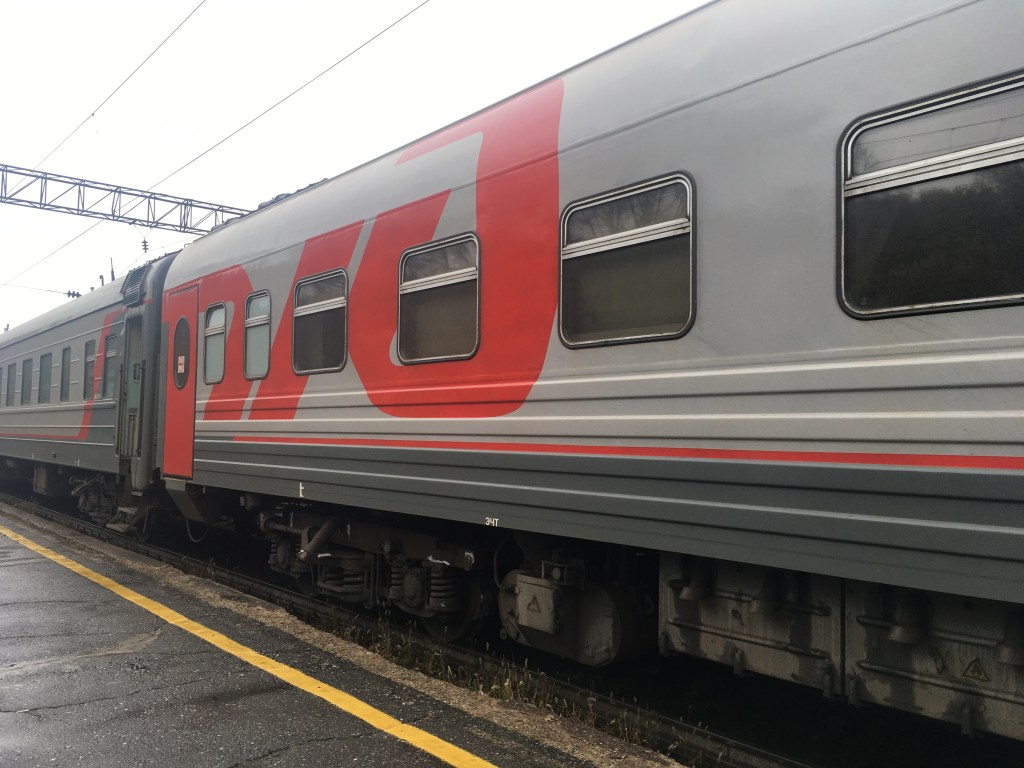
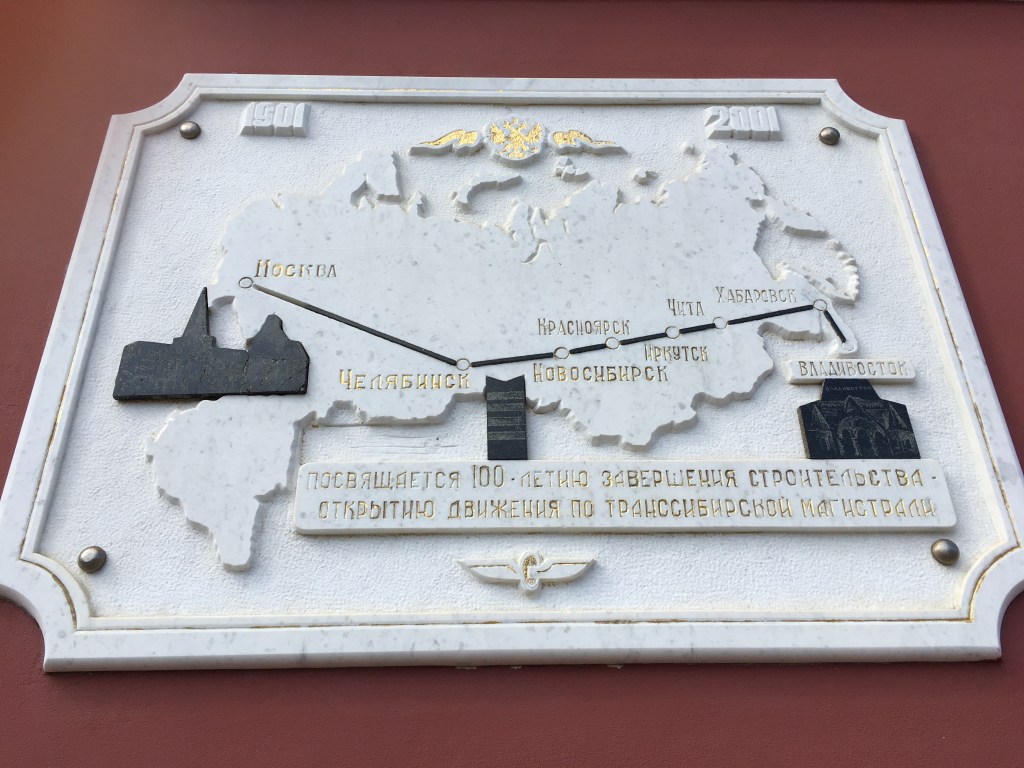
Where to start? Actually where to stop? Two weeks on one of the worlds most famous railway journeys – I could go on for far too long, and probably will! Suffice to say that it was everything I hoped it would be. So get a cup of tea and sit back for a long read!
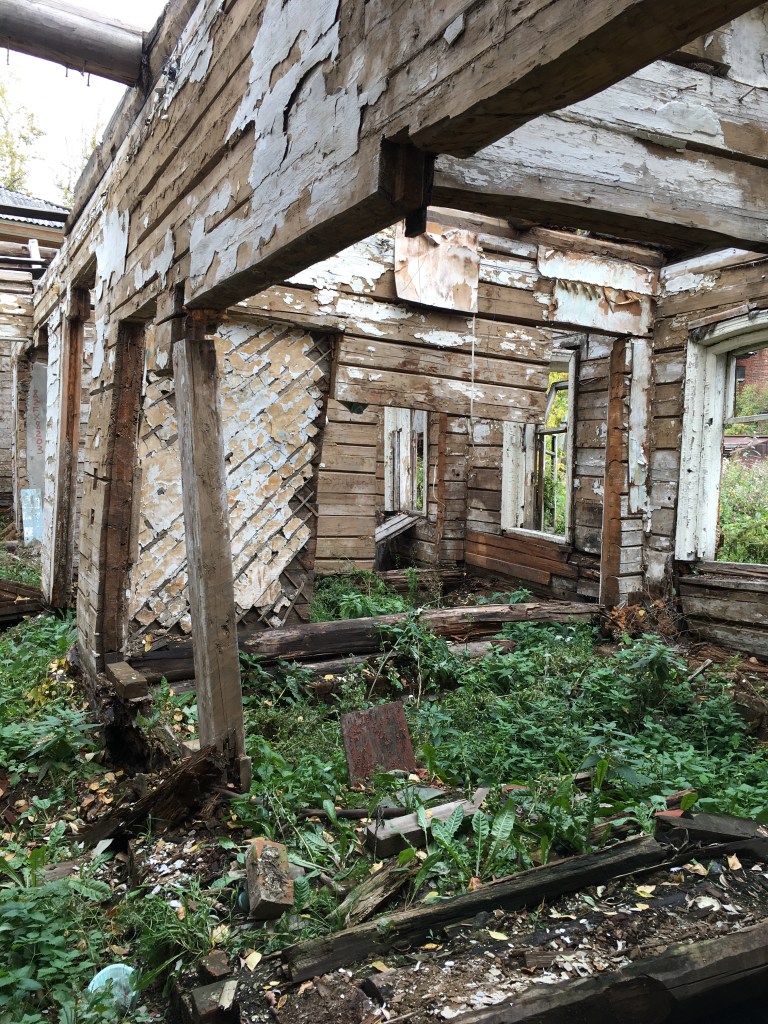
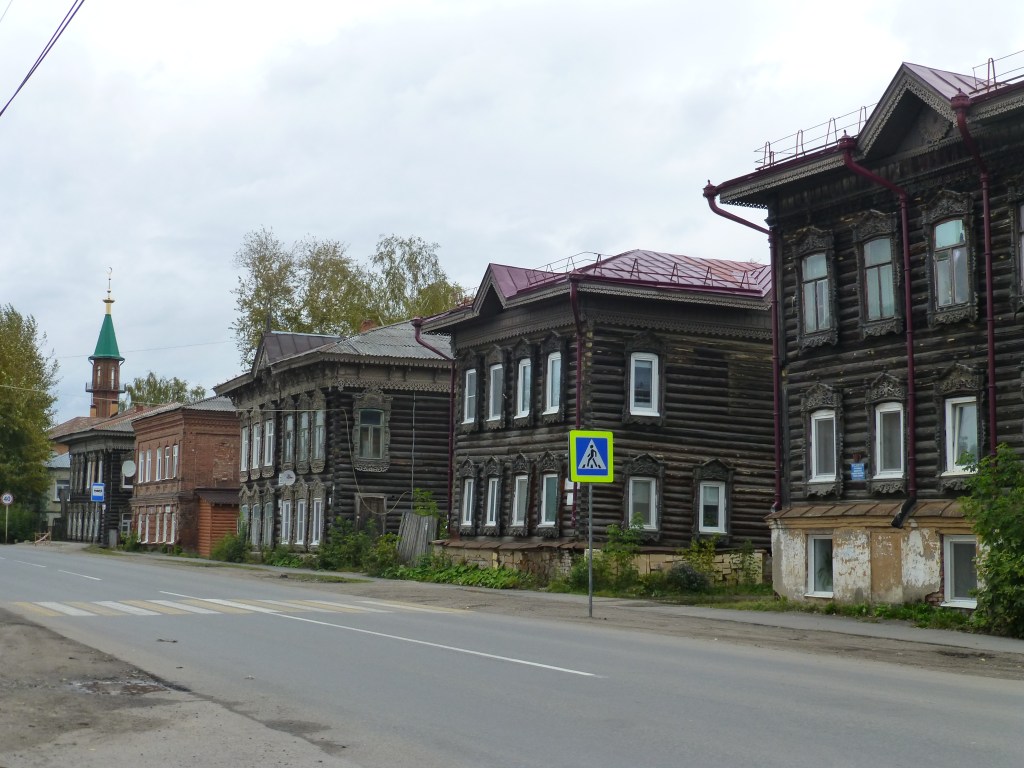
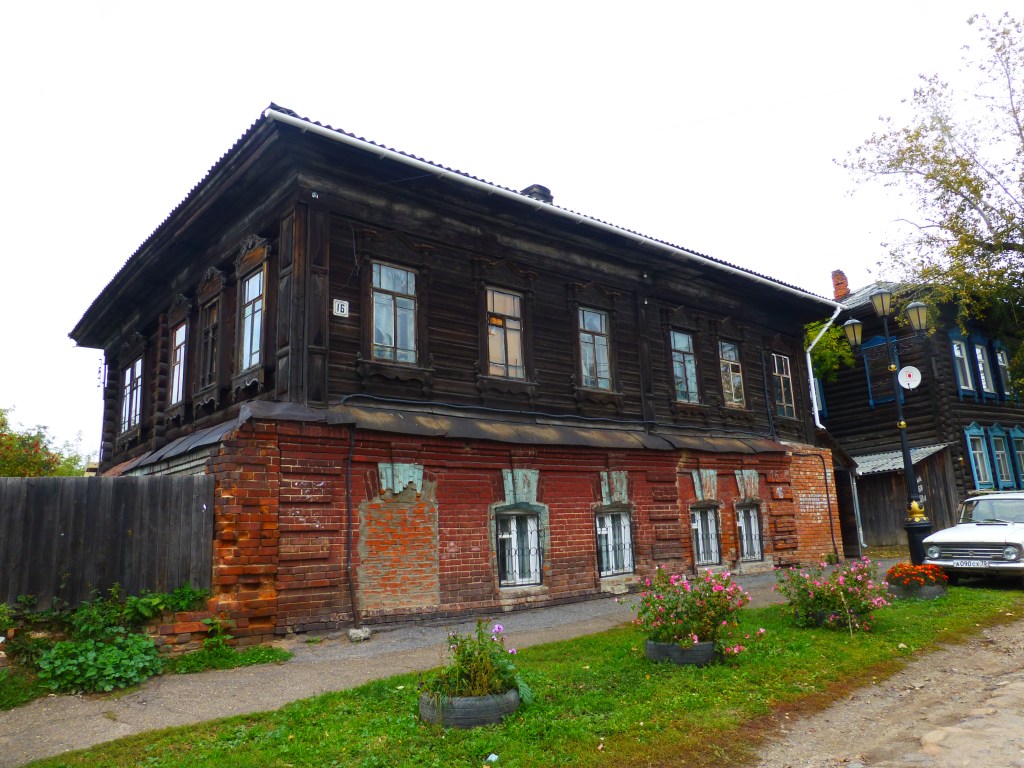
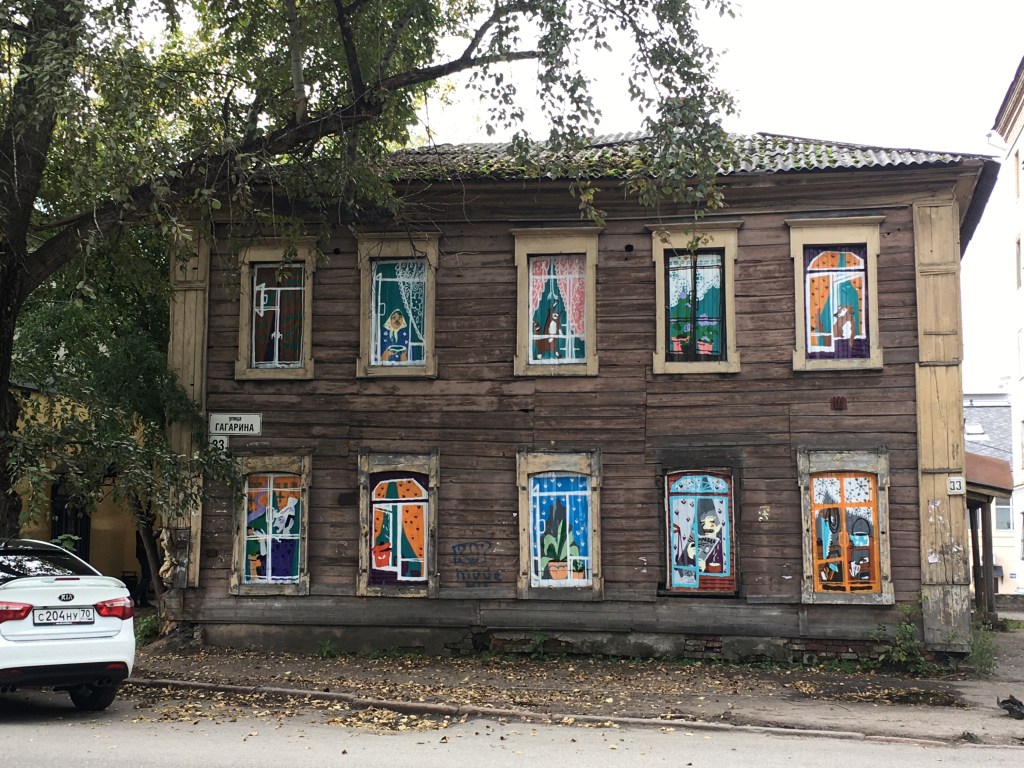
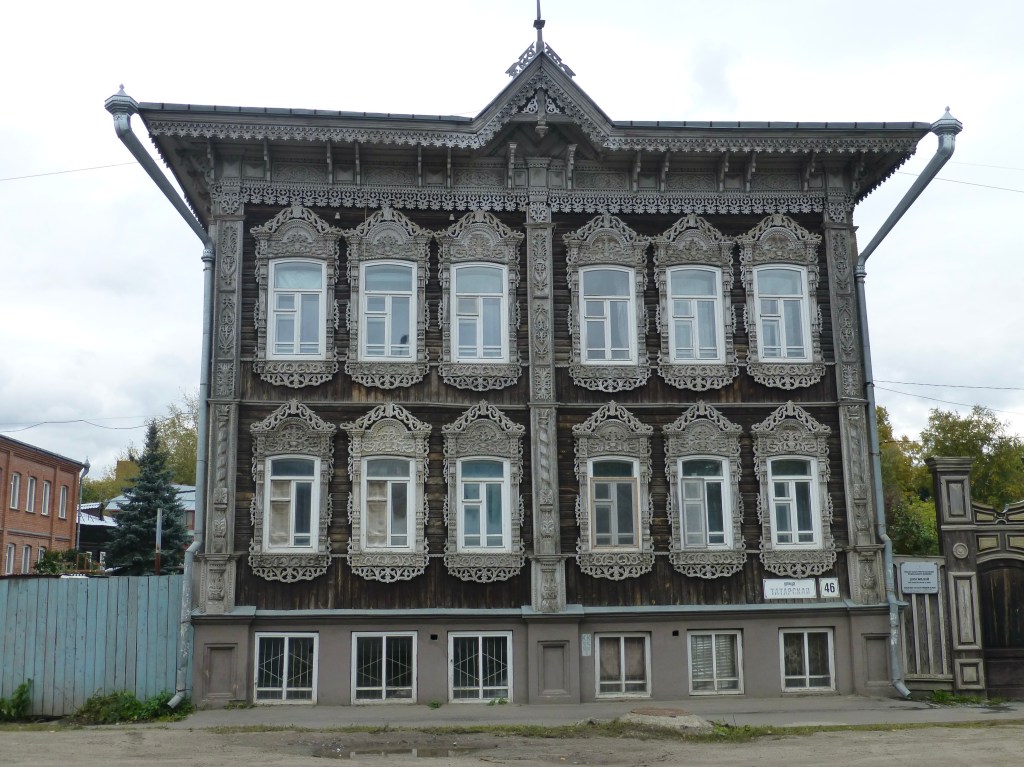
The full trip from Moscow to Vladivostok, without getting off, is 8 days (and we met a Russian who was doing that for fun). Having done many of the stops west of the Urals and having time constraints, we flew to Tomsk in Western Siberia and began our journey there. Tomsk was founded in 1604 and for a while was the most important town in Siberia and visited by almost every 19th-century traveller. It is known for its beautiful wooden lace architecture. Whilst it has its fair share of Soviet architecture it also has a very large proportion of surviving wooden houses. Some have been fully renovated, while others have, sadly, been left to rot. The city is divided on trying to keep and restore them, or bulldozing them because they are an eyesore (which the rotting ones are).
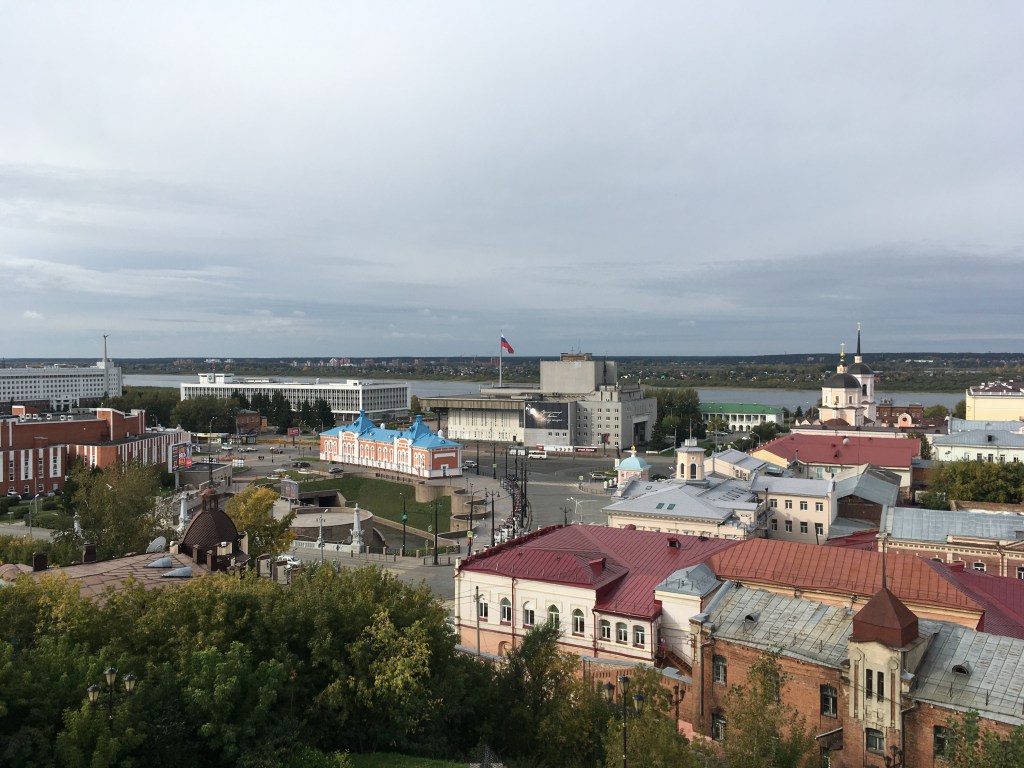
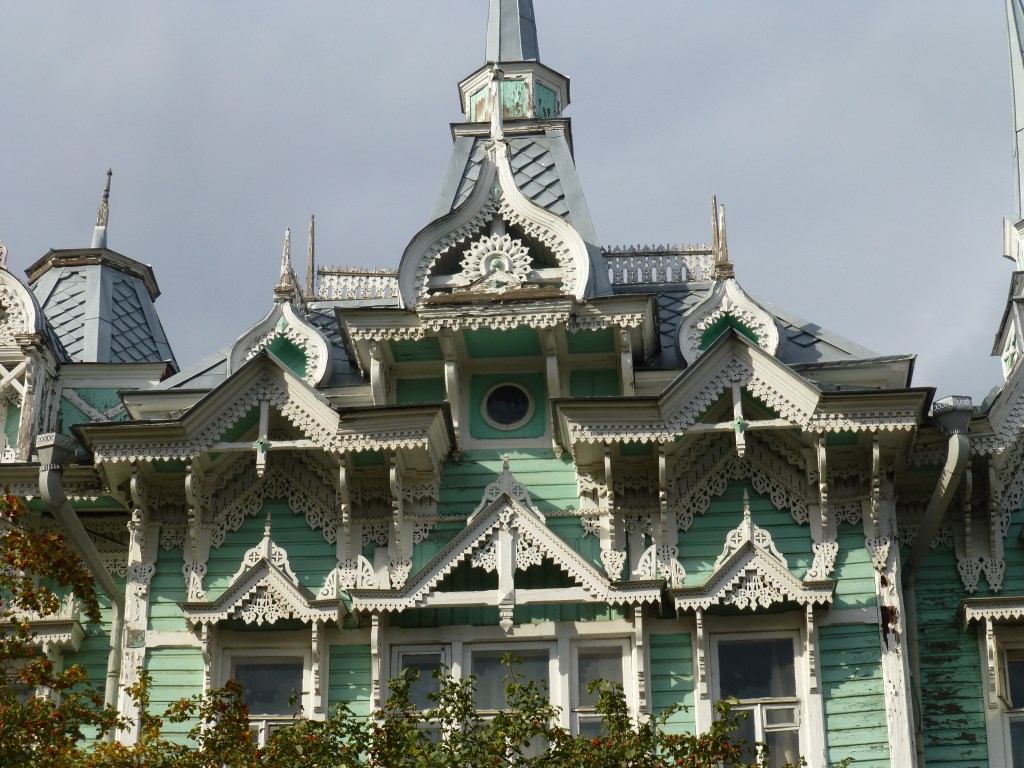
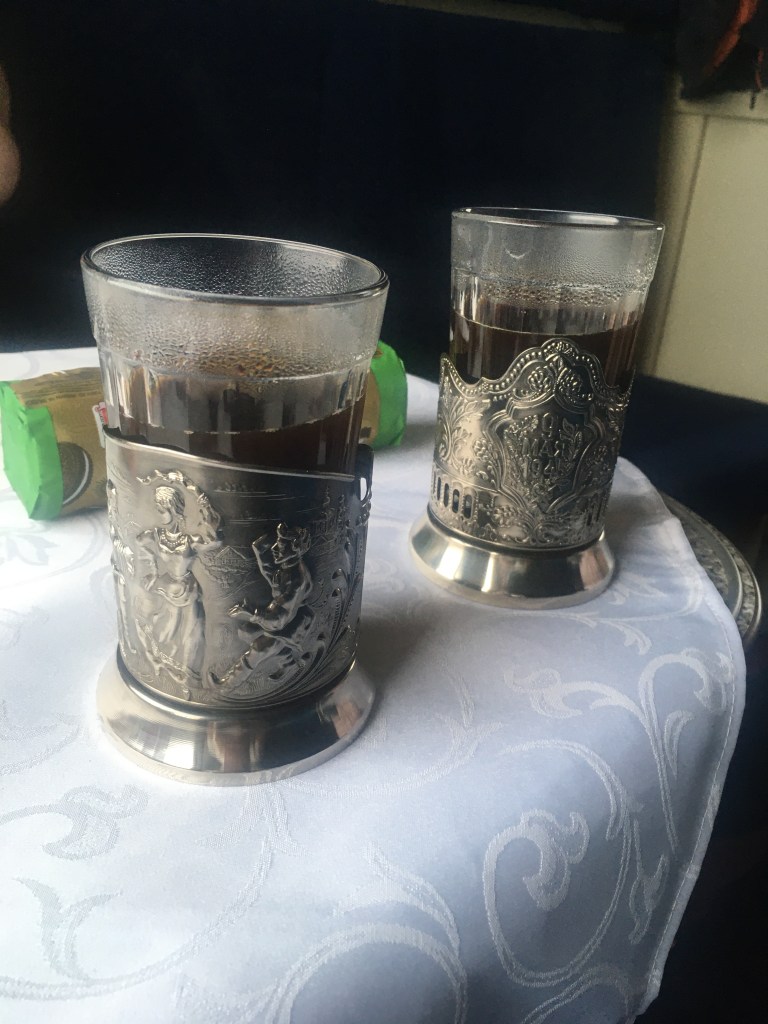
We enjoyed a couple of days wandering around Tomsk but then it was time to get on our first train. This first journey was a short day trip of about 8 hours to Novosibirsk (where we joined the Trans-Siberian proper). Because we were not spending the night on the train we had a 4-berth cabin which we shared with Sergei a Russian geophysicist on his way to work in the north for an oil company. The most important thing we did on this train was buy ourselves a Russian train tea glass and holder. Otherwise how would we be able to make and drink our tea and coffee?!
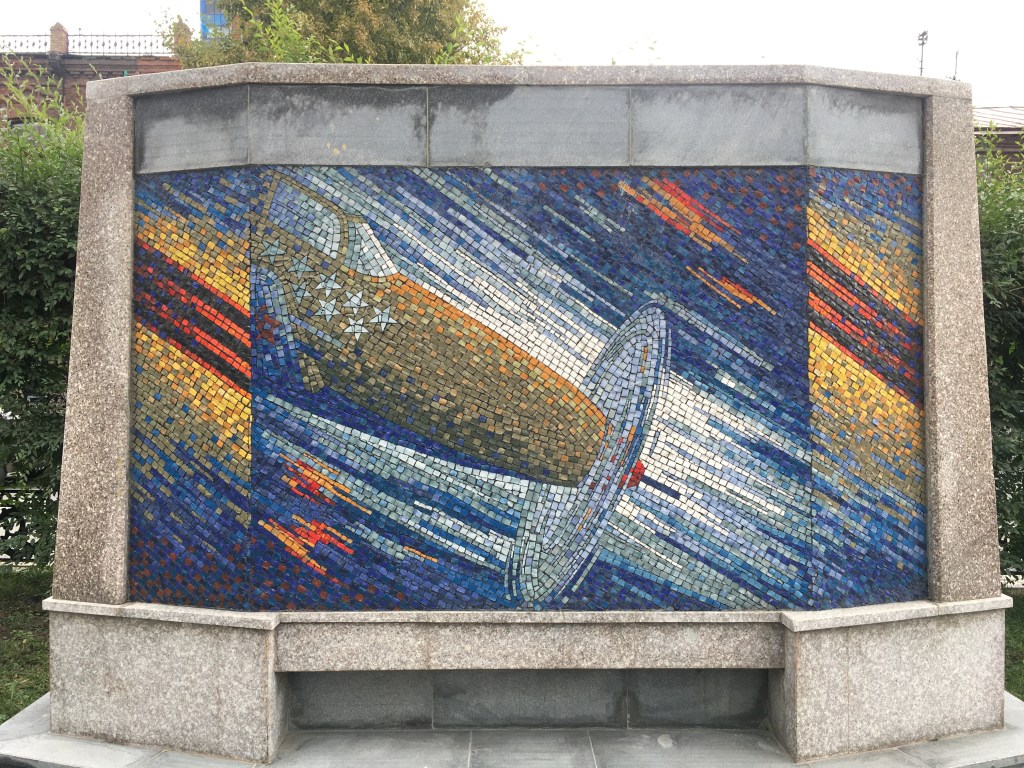
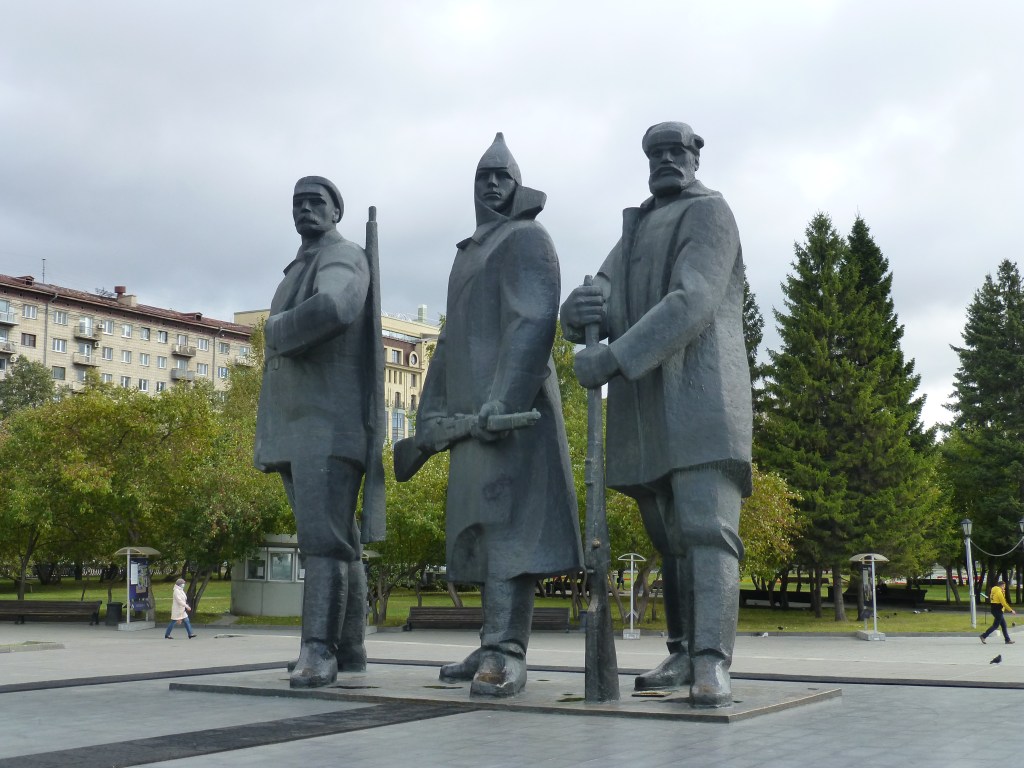
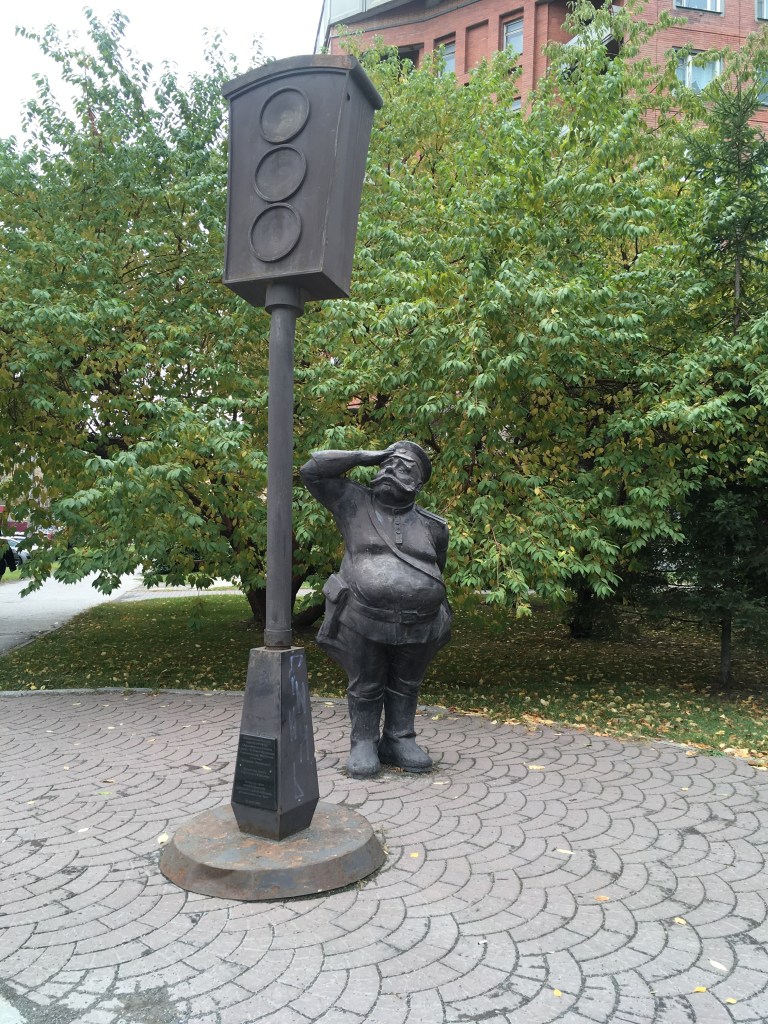
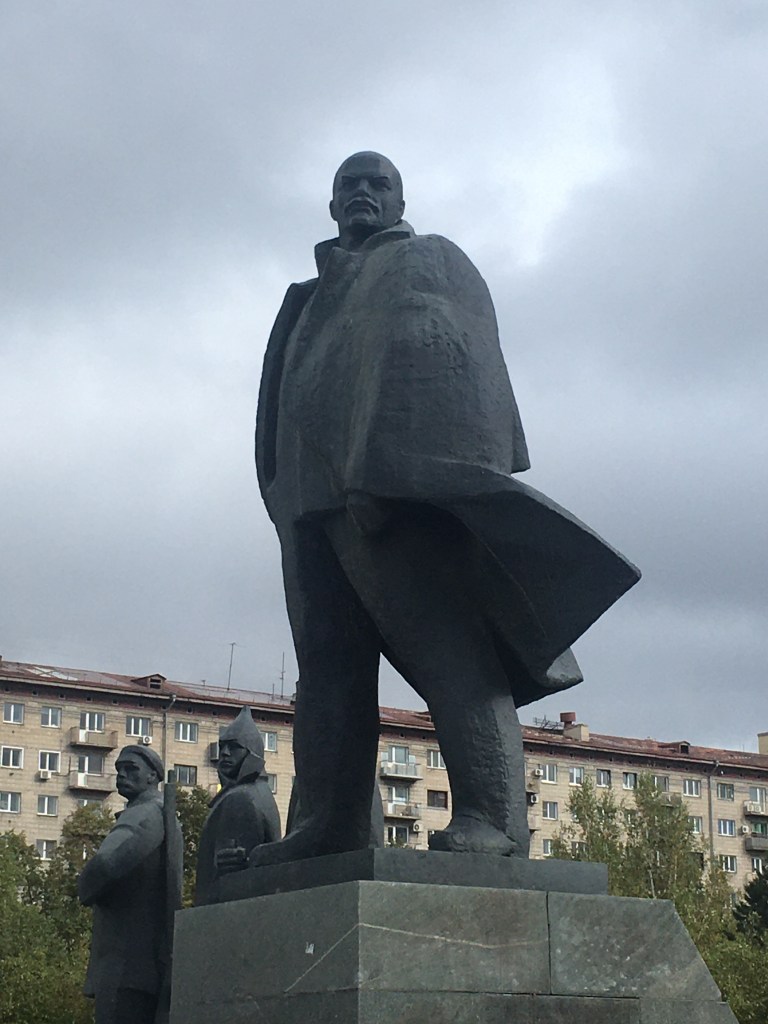
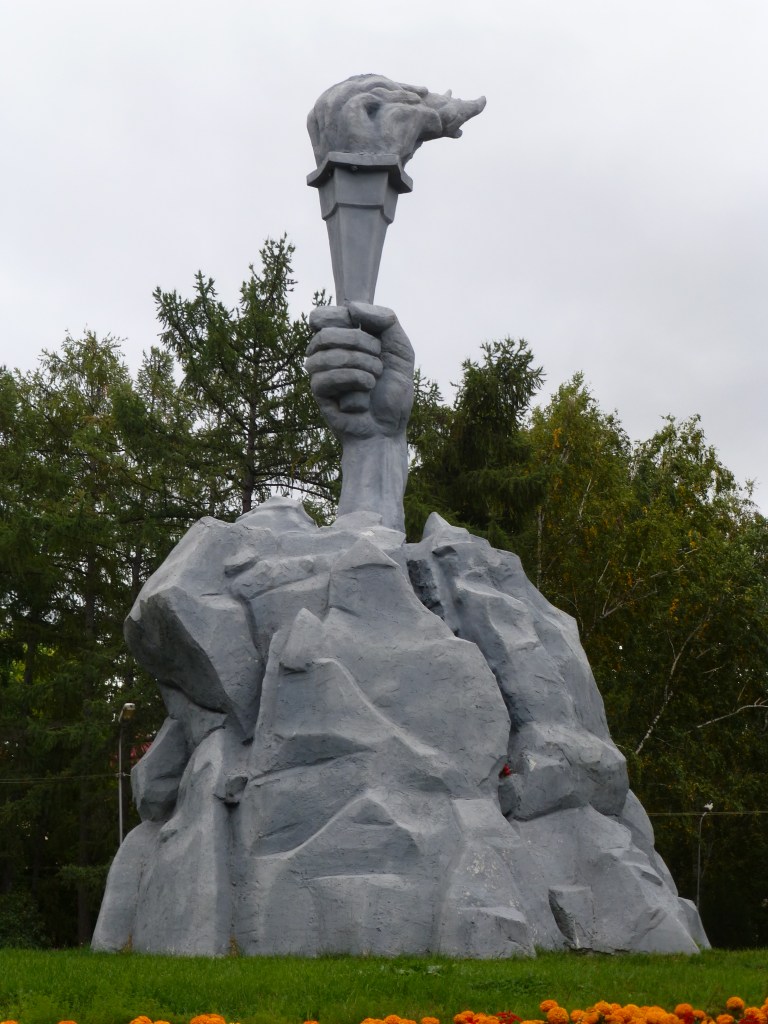
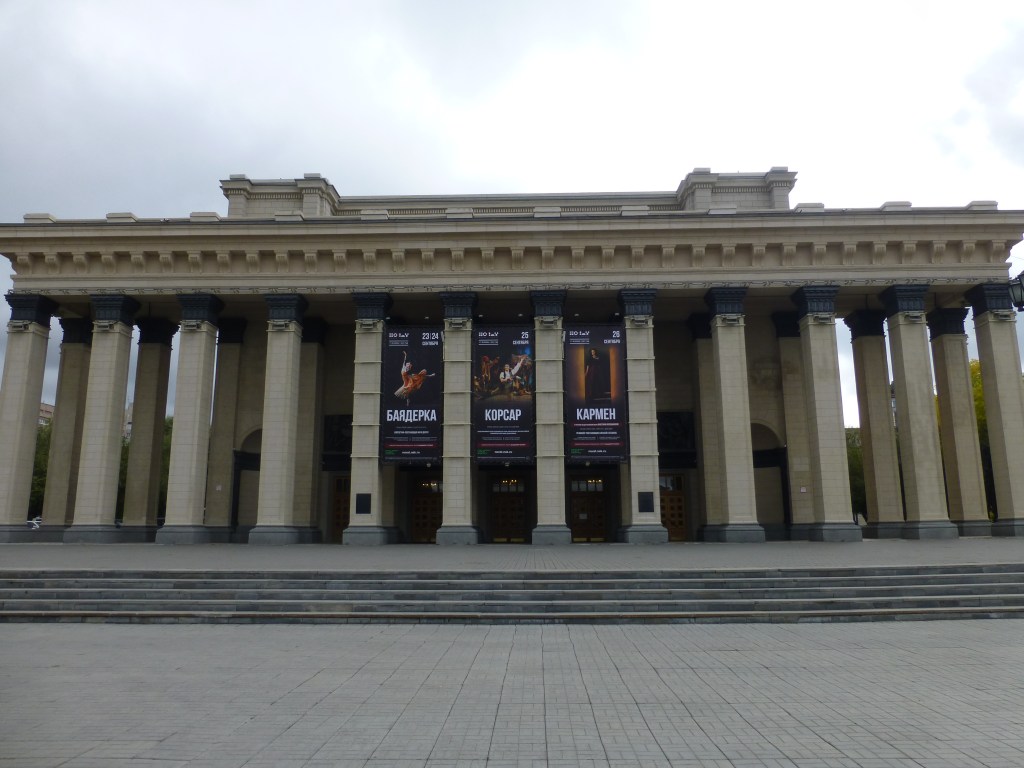
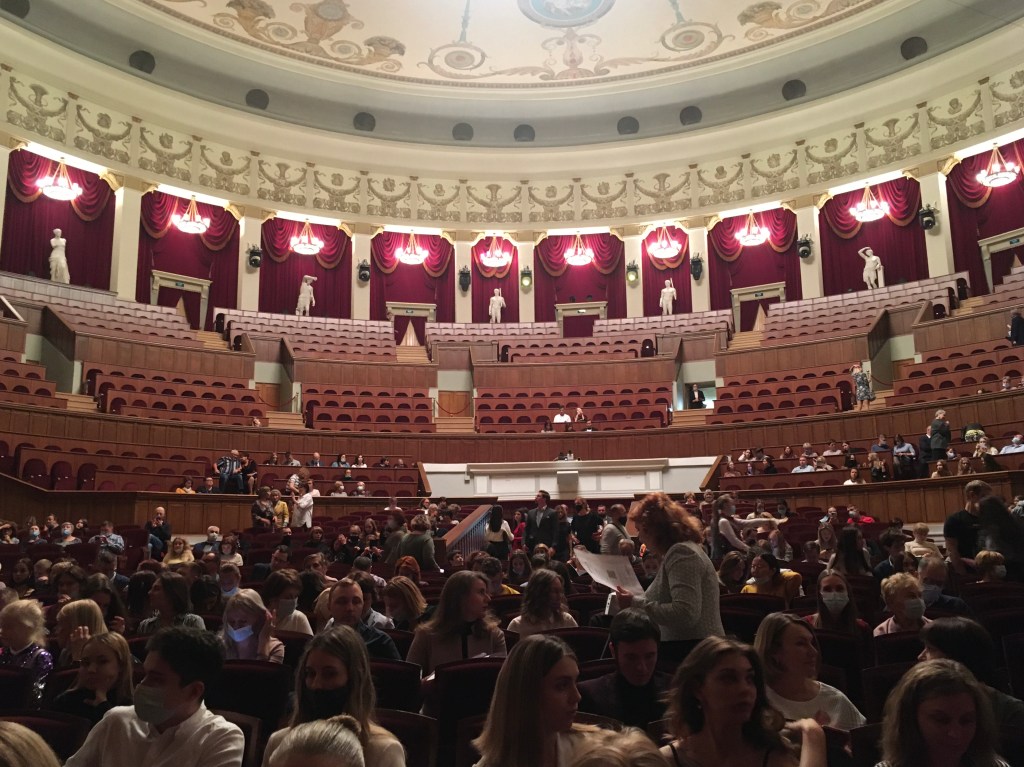
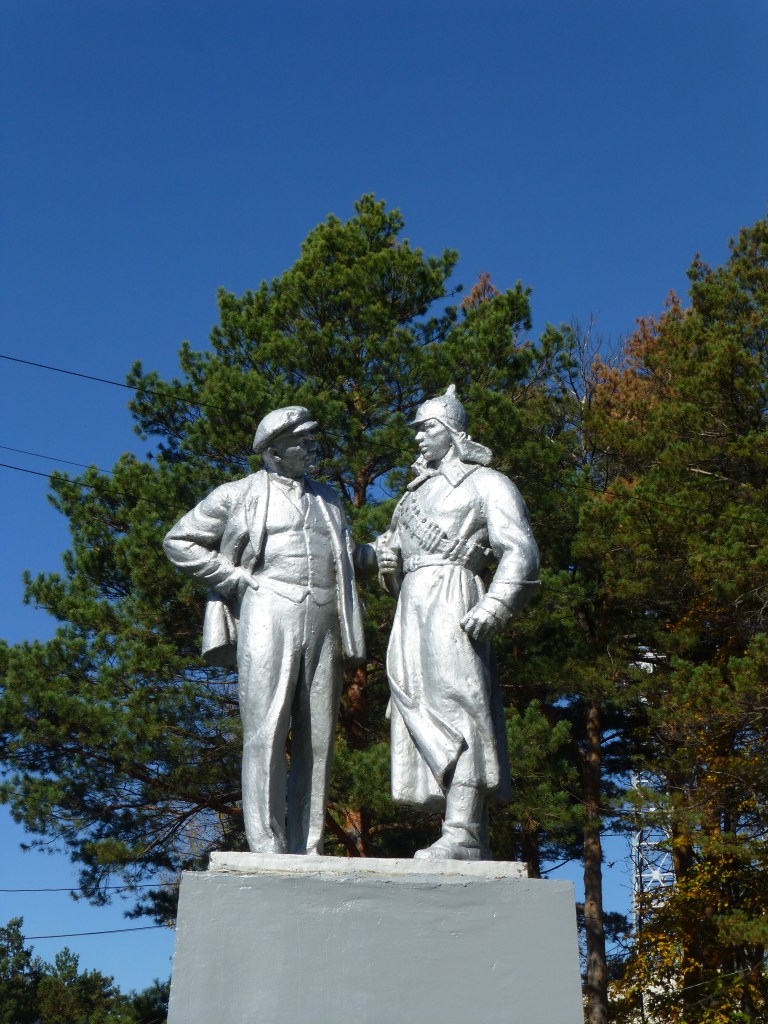
We got to Novosibirsk at midnight and went straight to the hotel and bed. It is a fairly young town built solely because of the railway in 1891 and therefore does not have a lot of historical buildings. We only spent one day in Novosibirsk and my initial thought was that it wasn’t really worth visiting but I have since had a change of heart. There are lots of monuments and several museums visit (although many of them were closed because it was a Monday) plus the largest opera house in Russia where we went to see the ballet Giselle. Sadly the recommended USSR museum appeared to have closed. Anyway, after spending the day wandering around the town, taking photos of wonderful soviet memorials, visiting an art gallery, eating in a couple of excellent restaurants and finally watching the ballet, we got on the train at midnight towards our next destination of Krasnoyarsk.
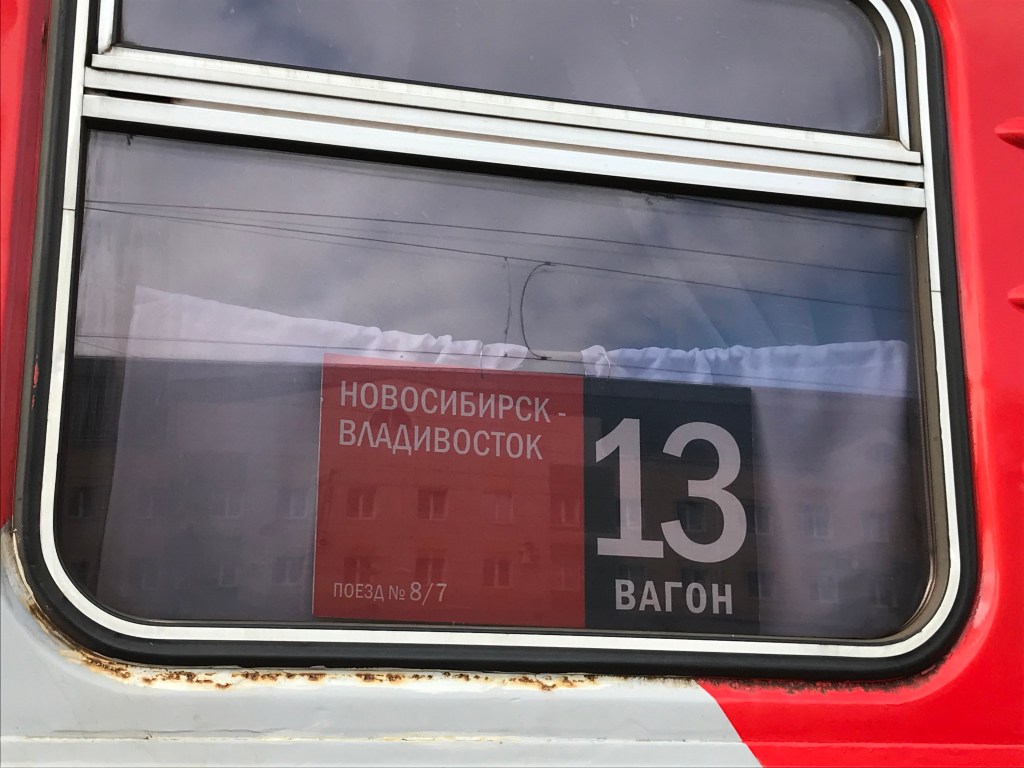
Let me stop here to give you a brief guide to traveling on the Trans-Siberian Railway. Firstly there is no single train of that name. It is not like the Orient Express. The Railway is just that, a railway line that goes across Siberia with many different trains using the tracks. There are two trains that travel the route from Moscow to Vladivostok plus the ones that go to Mongolia and Beijing and many that just do sections of the route. In addition to working out which train you want you also have to decide what class of ticket you want. There are 3 classes on the sleeper trains. Platskartny (3rd class) which is an open carriage of bunk beds; Kupe (2nd class) a 4-berth cabin; and Spalny Vagon SV (1st class) a 2-berth cabin. Being a posh middle-aged English woman I refused to go platskartny and in fact insisted on 1st class! I didn’t fancy sleeping with strangers in very close confines during a pandemic (or at anytime to be honest!). The only down side to travelling first class is that you get one meal included with your ticket! “Why would that be a down side?” you ask. Read on!
Having boarded the train at midnight we were asked what we wanted for our meal the next day – meat or fish. Himself chose meat and I went for fish. We were then told this would arrive at 10.00am!!! However it wouldn’t have mattered what time of day it was delivered – it was dreadful!! The ‘meat’ was a watery turkey stroganoff and the fish, I was told, was trout but was so dried out and over cooked that it was almost inedible!
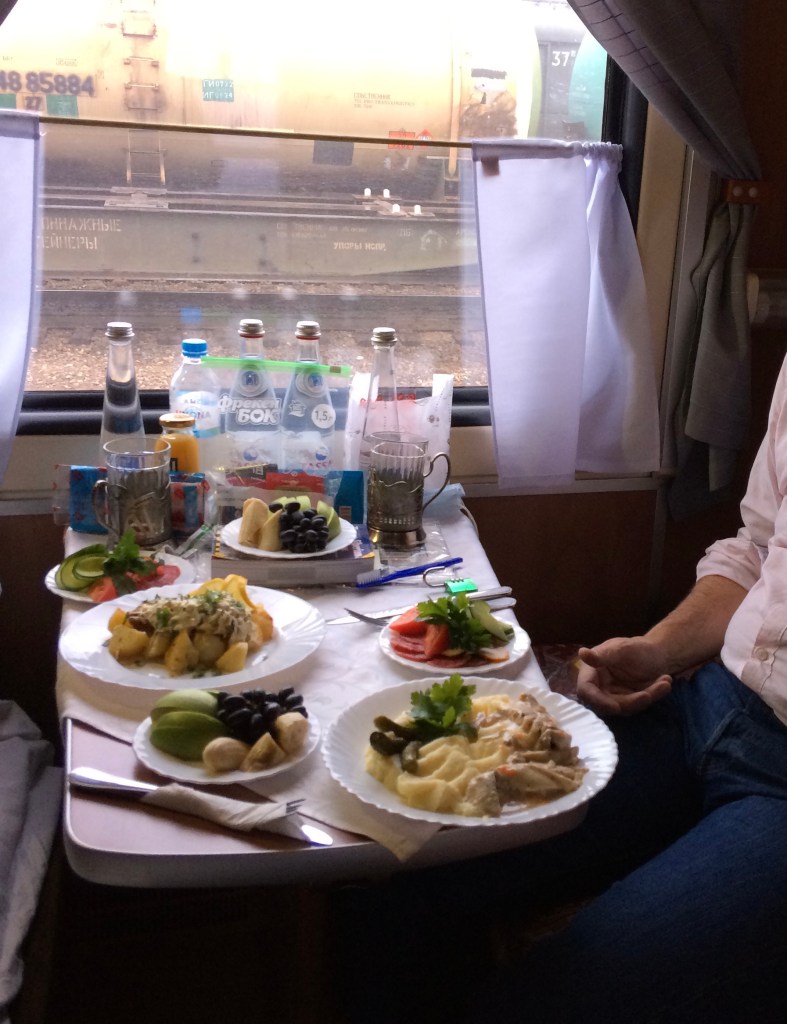
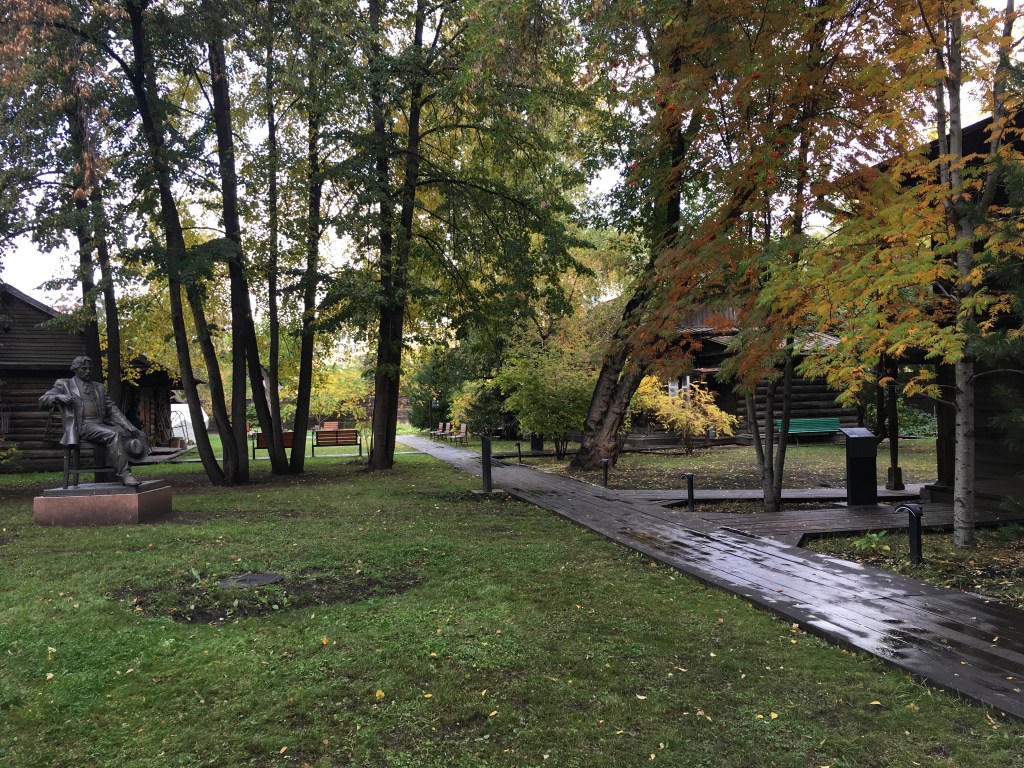
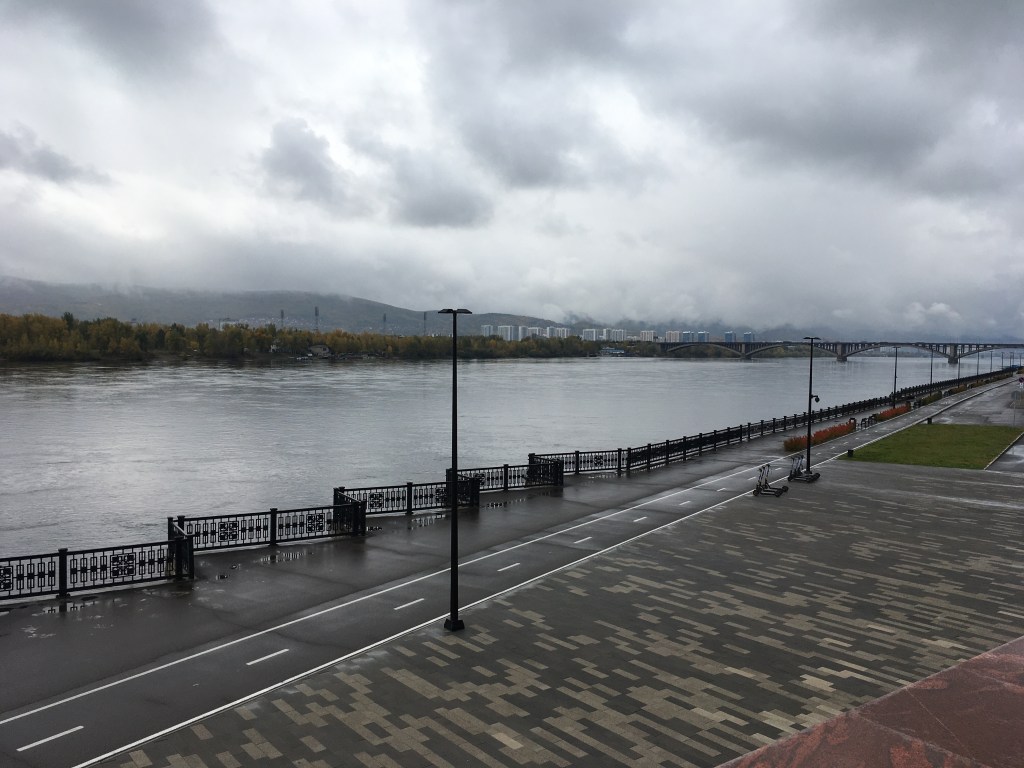
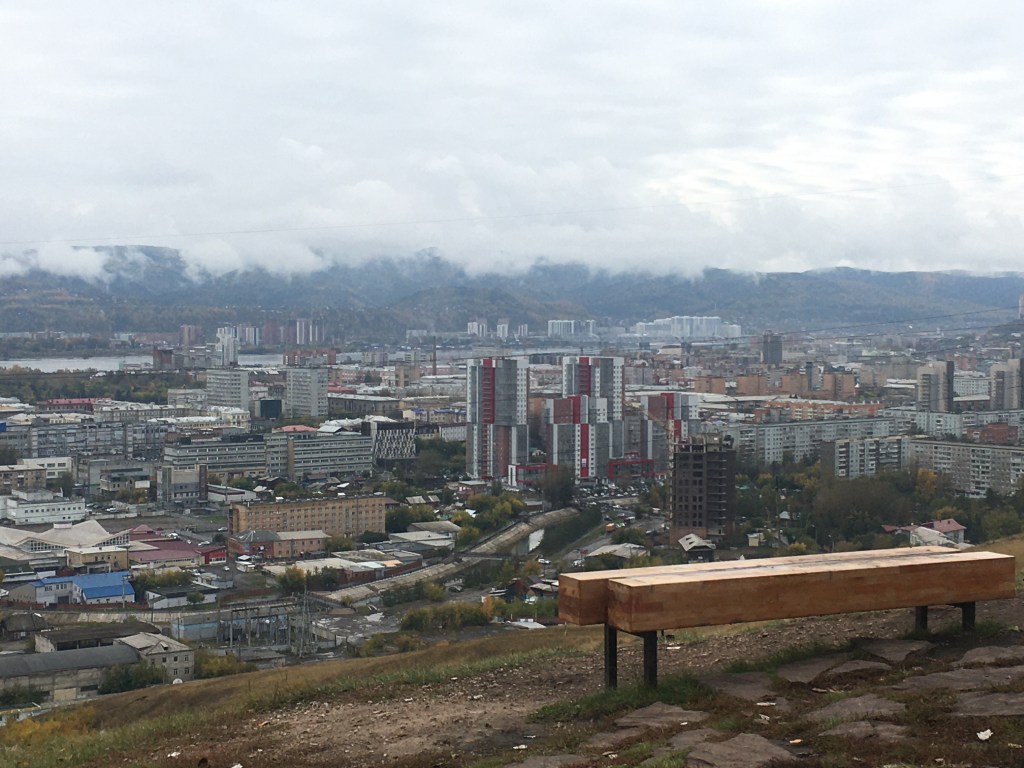
After a relatively good night’s sleep and a breakfast of orange juice and a mediocre type of cake bar (part of our included food) followed shortly by our included meal and after 12 and a half hours on the train we arrived at our next stop – Krasnoyarsk. The main reason for stopping here was to go walking in the nearby Stolby National Park unfortunately a combination of the wrong weather and the wrong clothes put paid to that but we did walk up to the top of one of the nearby hills overlooking the town. We had two nights in the cosy Dom hotel, and some really good food. I must give a special mention to Benedict Café where we had breakfast each day and the restaurant Bar Bulgakov which we stumbled upon by accident at lunch time and liked so much we returned for dinner.
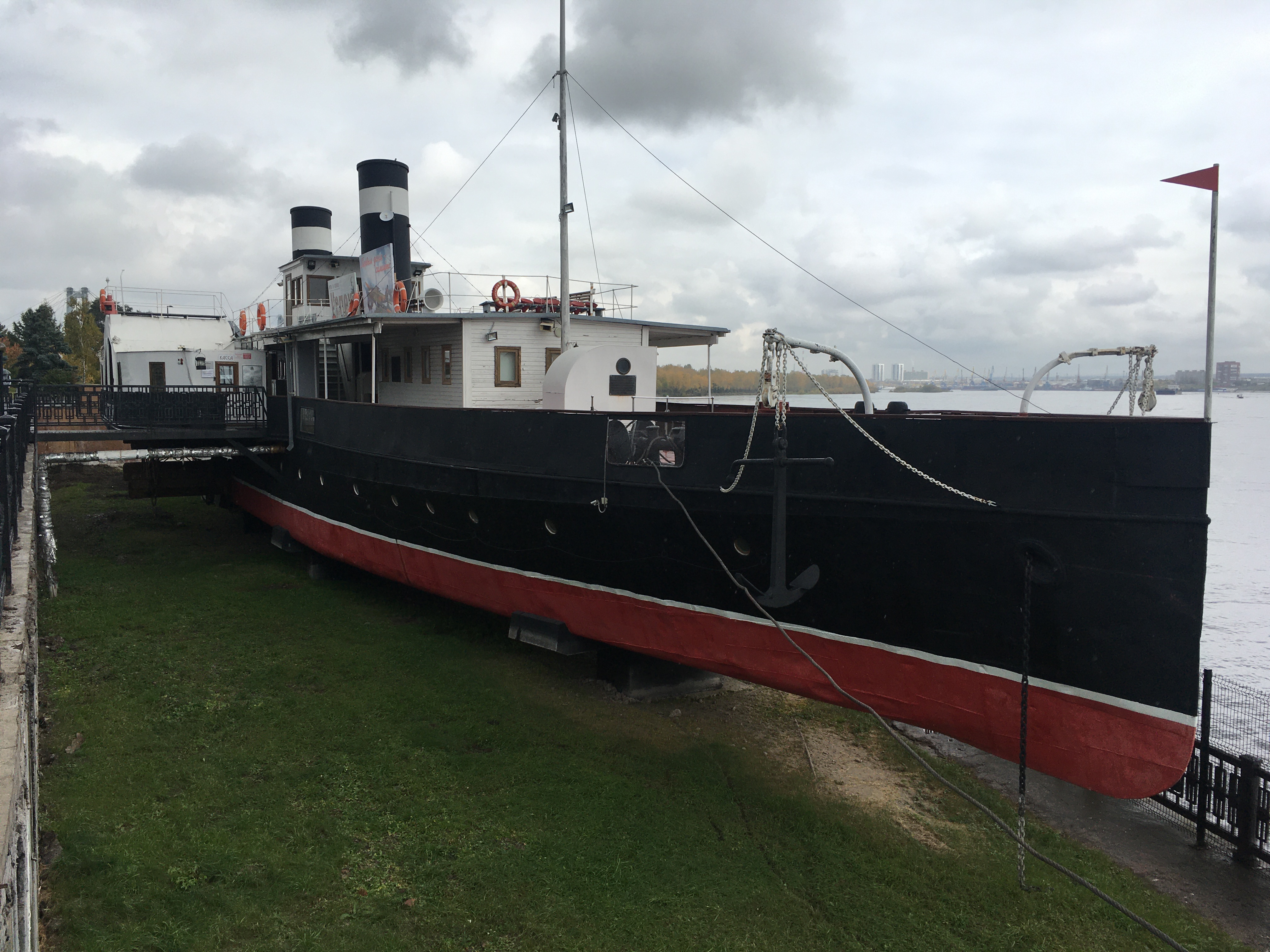
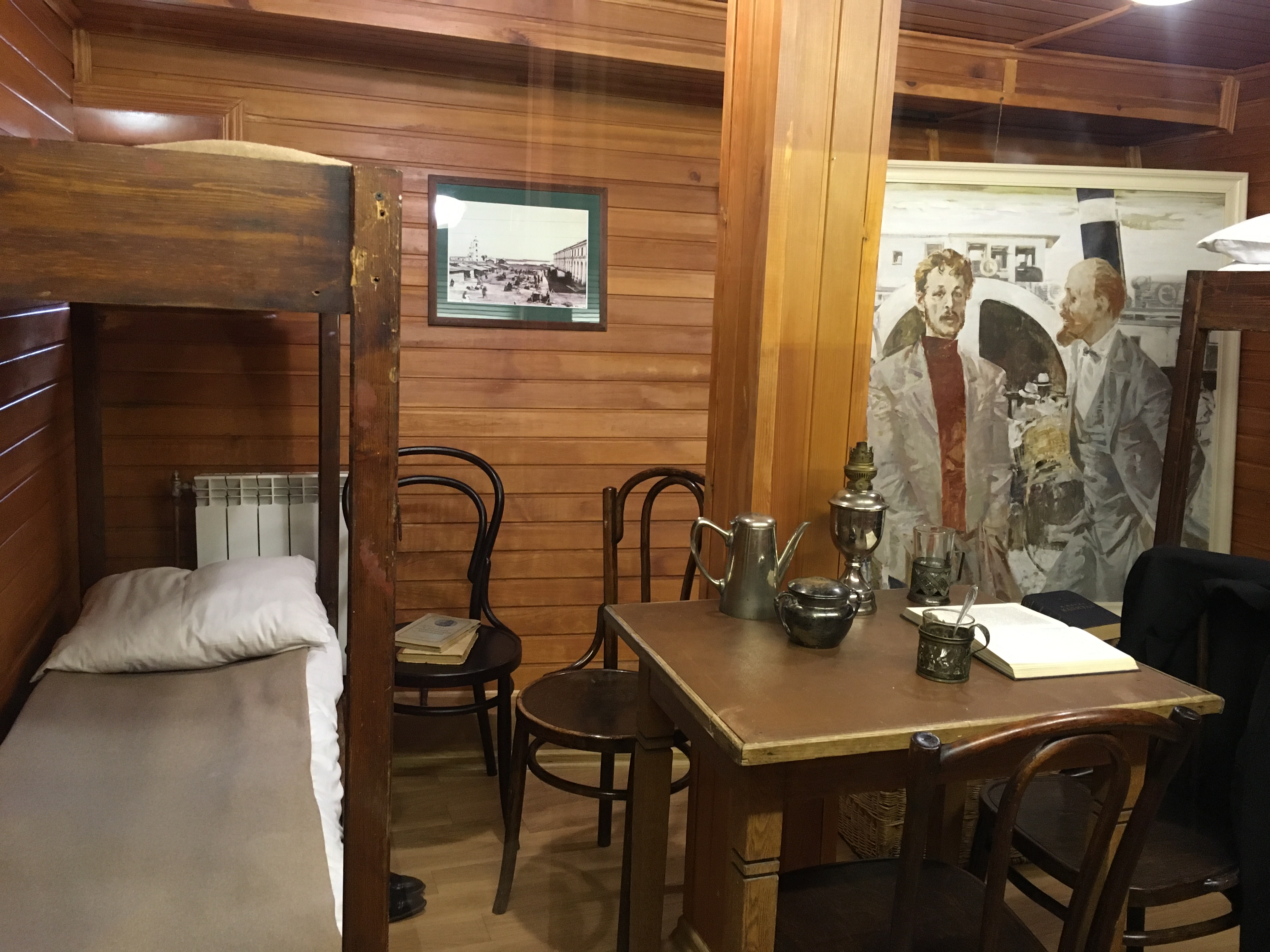
Stretched out along the banks of the Yenisey River it had some excellent museums, including the rather lovely house museum of the artist Vasily Surikov and the ship S.V. Nikolai named after the Grand Duke Nicholas, soon to be Tsar Nicholas II ,who visited the town in 1891 and sailed aboard the ship. Some years later, in 1897 Vladimir Lenin was taken, on the same ship, to 3 years of exile down the river.
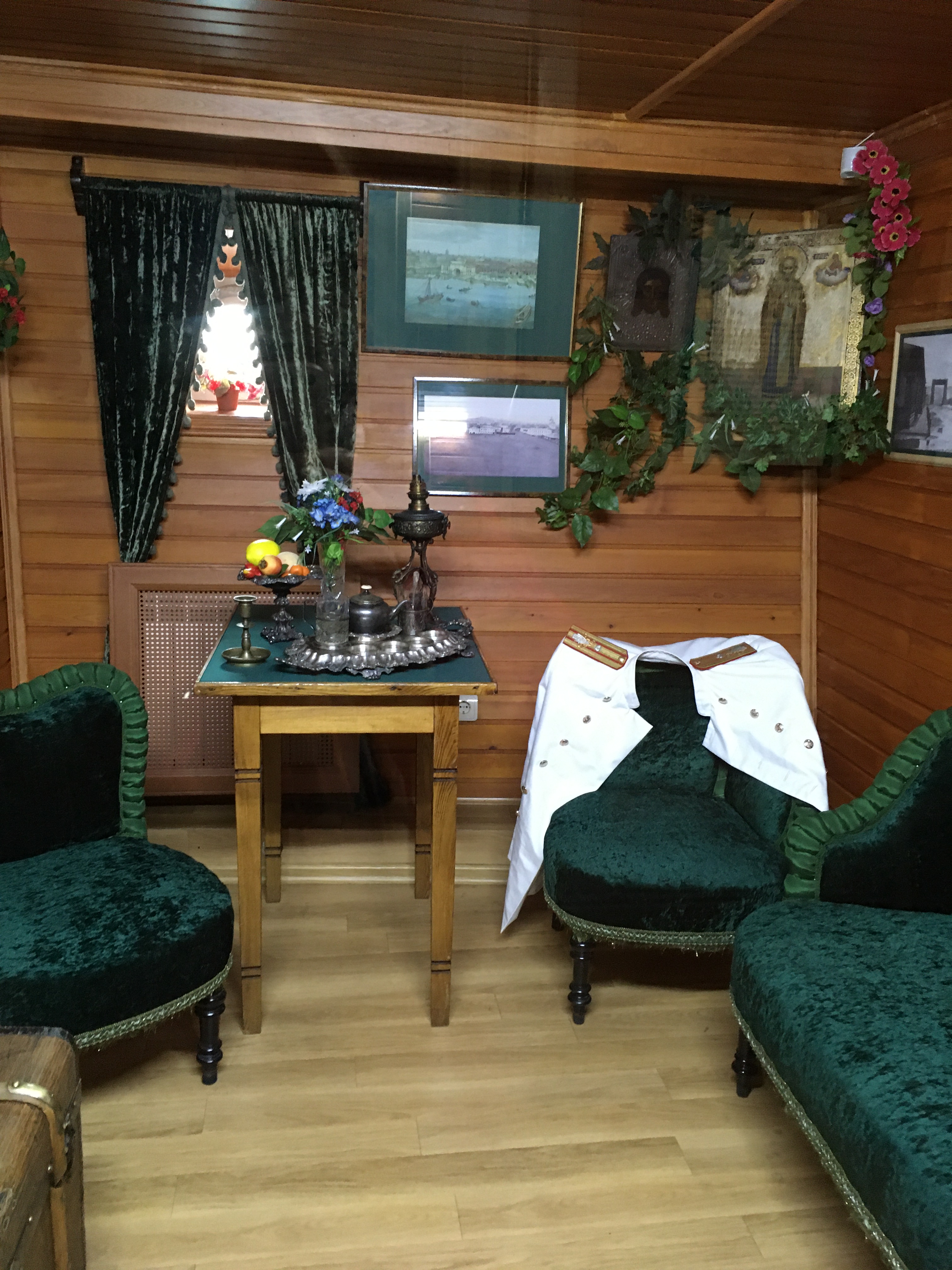
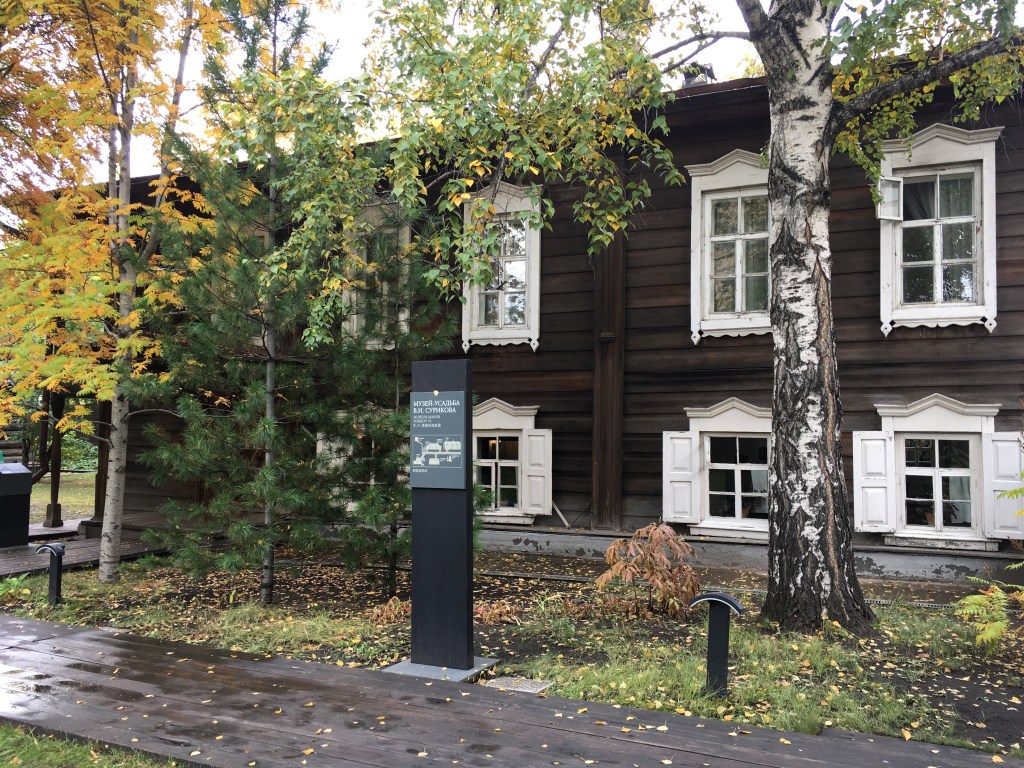
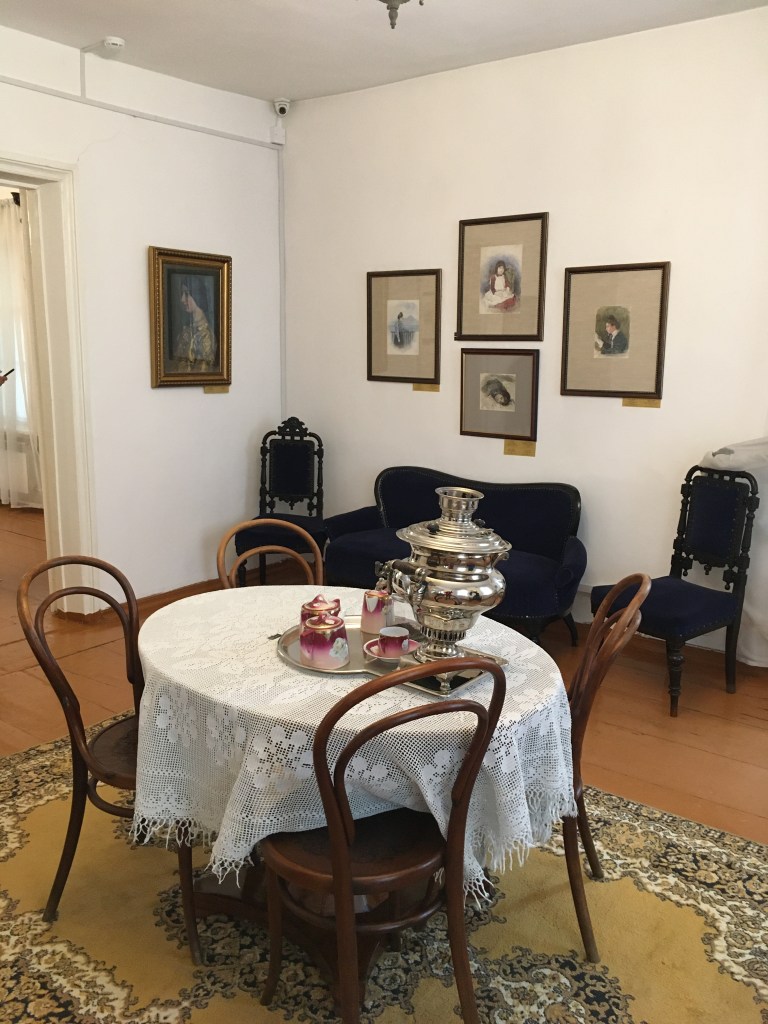
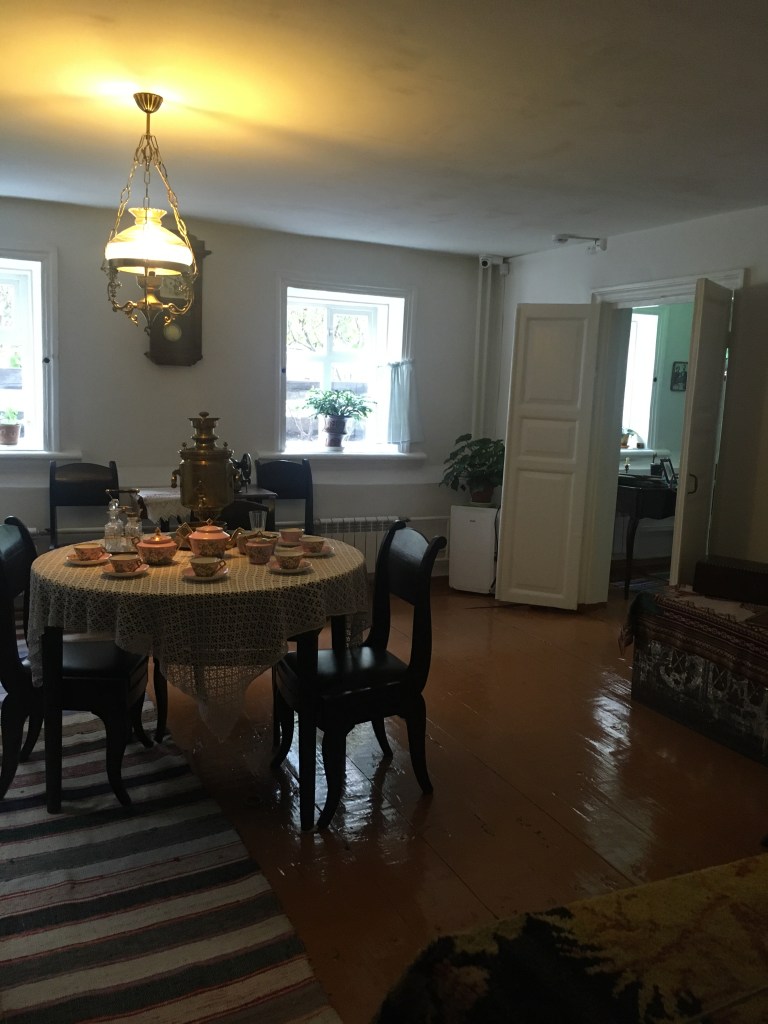
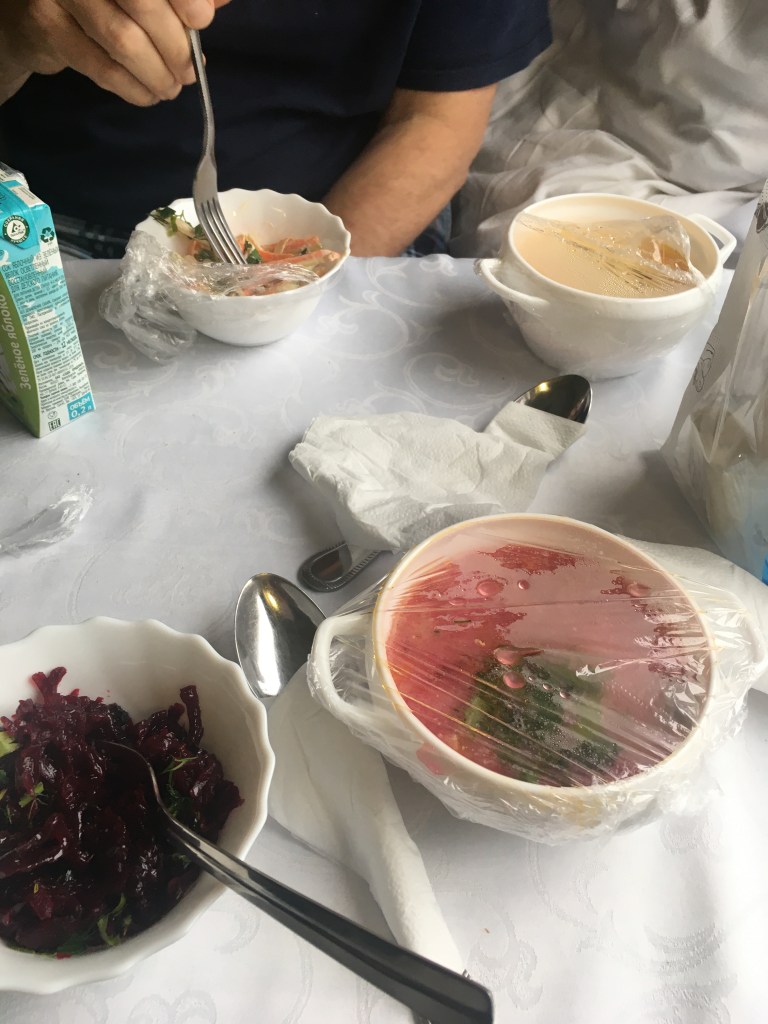
We then boarded train No. 62 and decided to give train food another go. We declined the free meal included with our ticket in favour of going to the buffet car and choosing from the al-a-carte menu. This took quite some explaining as they could not understand why we would not want the meal that we had already paid for with our ticket. The food it has to be said was definitely better especially the soup, and the fish was recognisable as such! But it still wasn’t great.
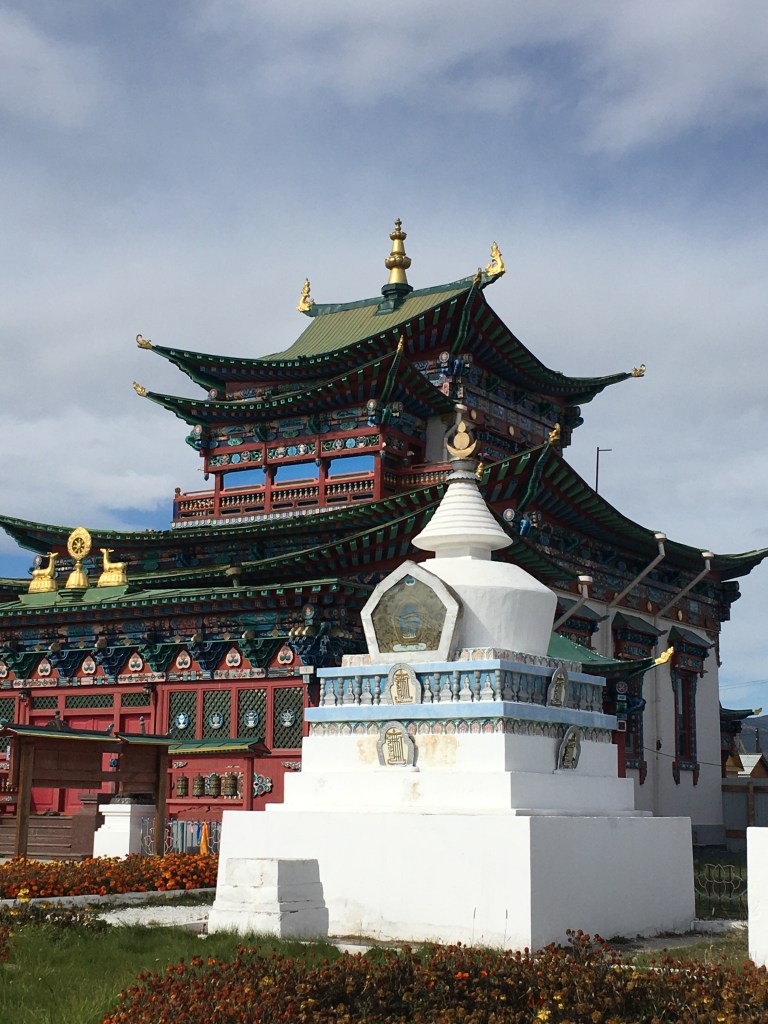
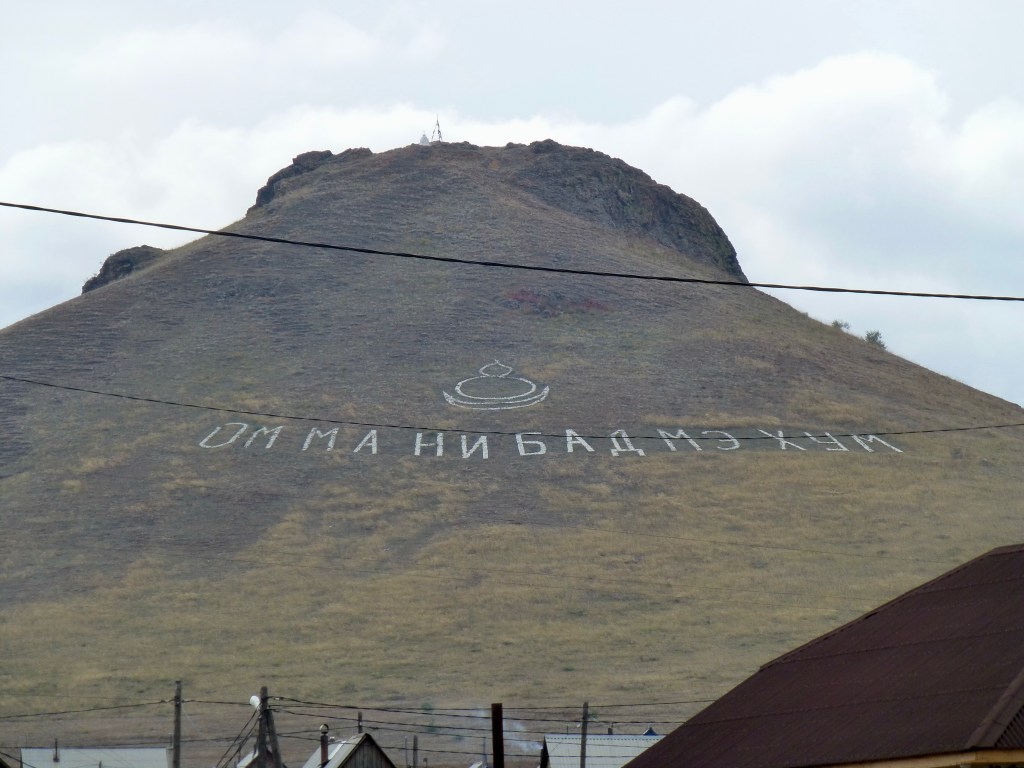
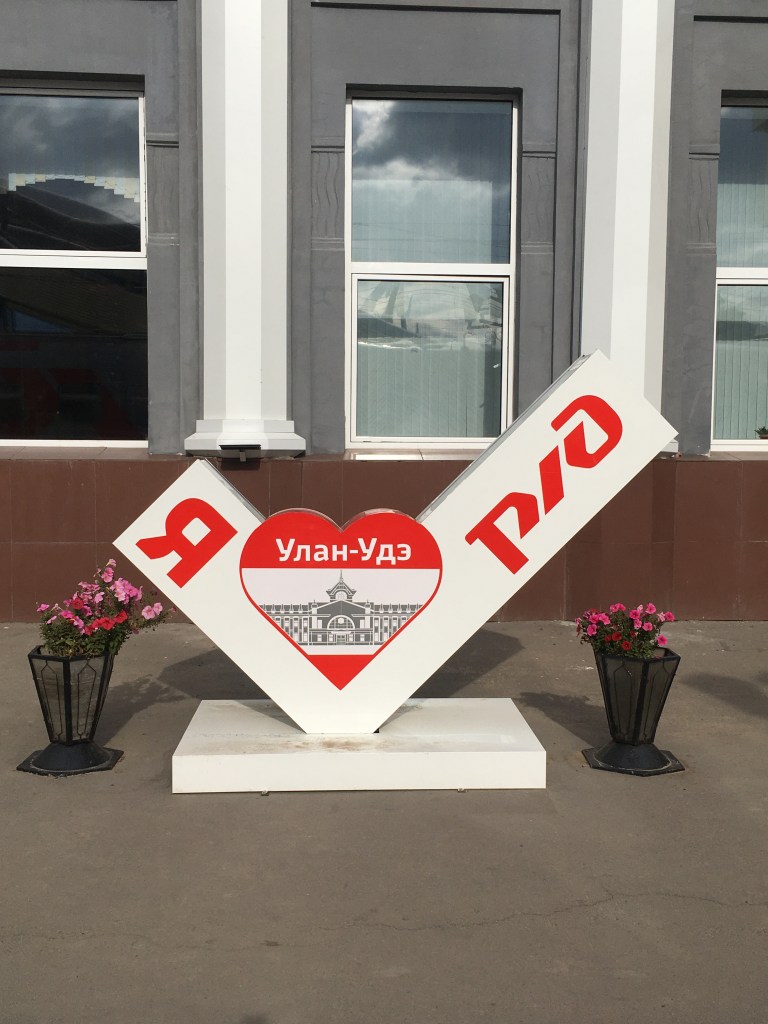
We bypassed Irkutsk as we had already been there and went straight to Ulan-Ude, the capital of the Buryat Republic and close to Lake Baikal a journey that took 24 hours. Buryatia is a region in Russian Siberia where a Buddhist people of Mongolian descent live. Under communism Buddhism, like all religions within the USSR, was banned but after the 2nd World War Stalin, in recognition of the support given by the Buryatians to the Soviet Union, gave them permission to build a temple. Being used to cold, harsh conditions they were instrumental in fighting the Germans in the winter months. They were also used as snipers.
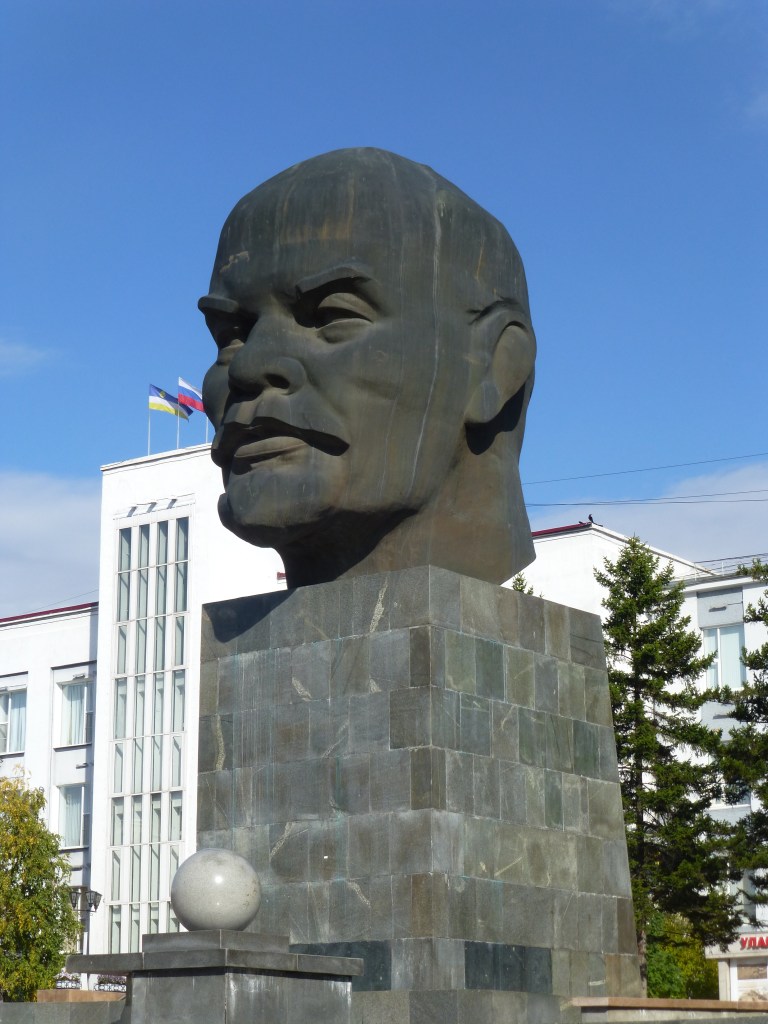
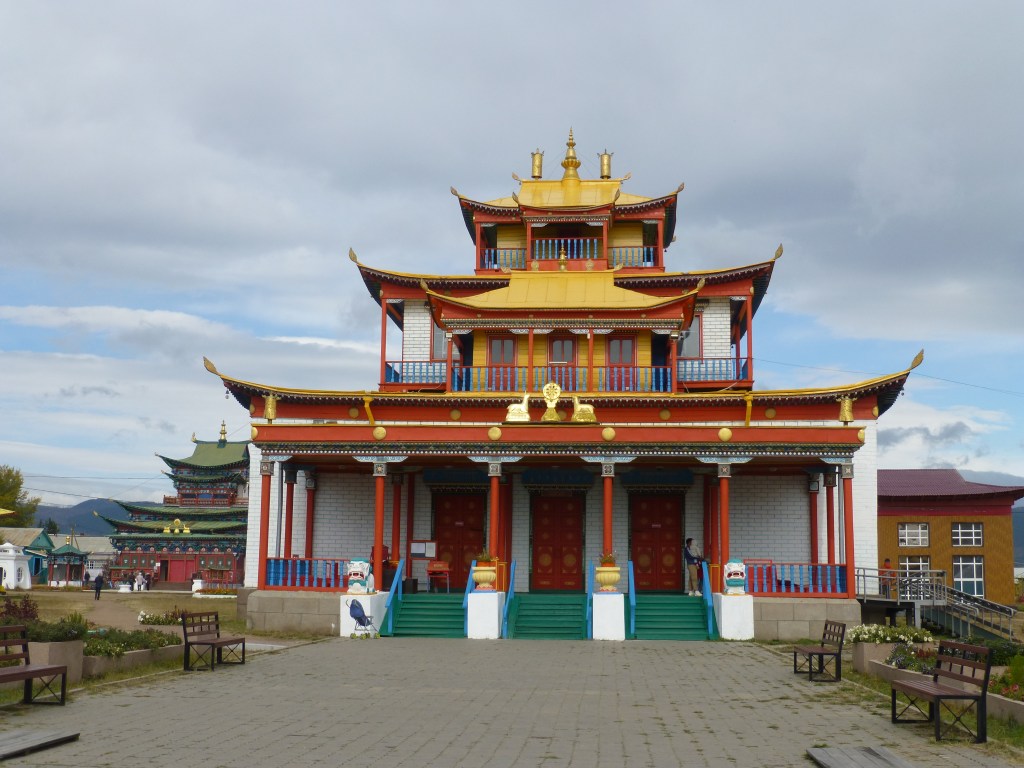
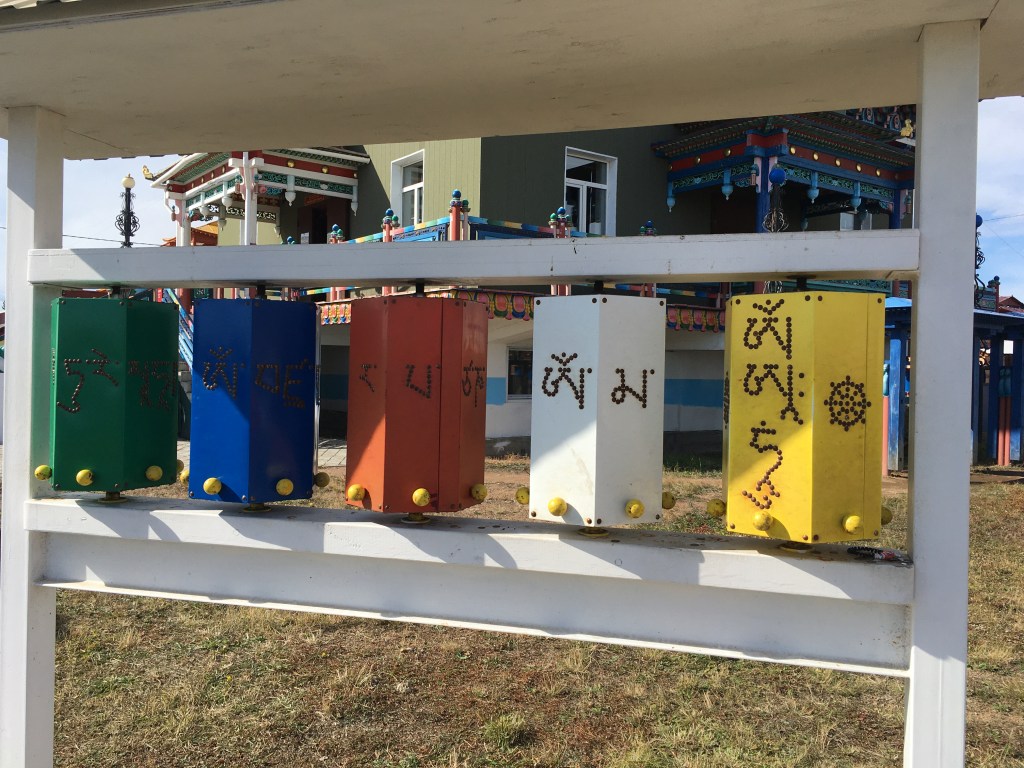
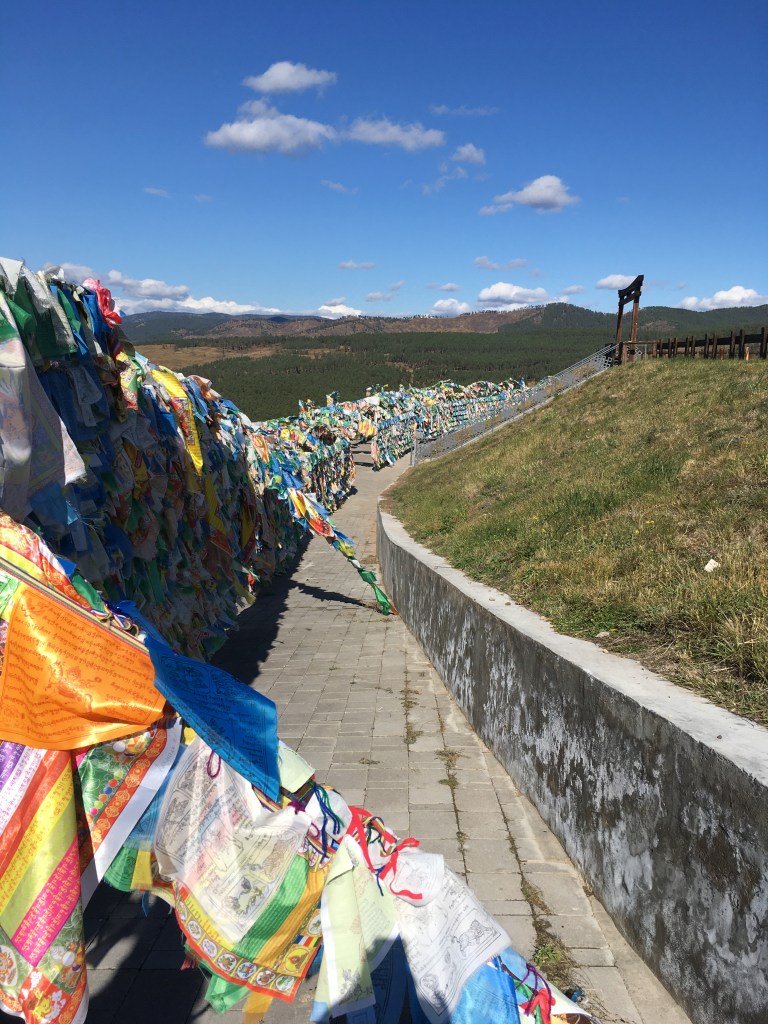
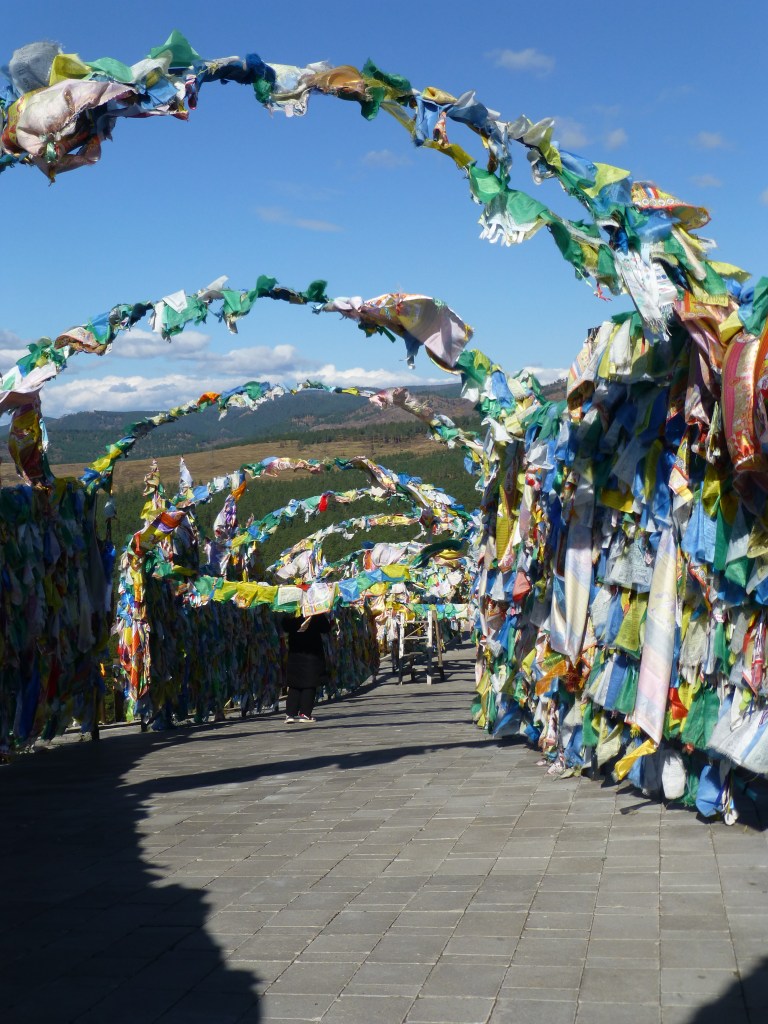
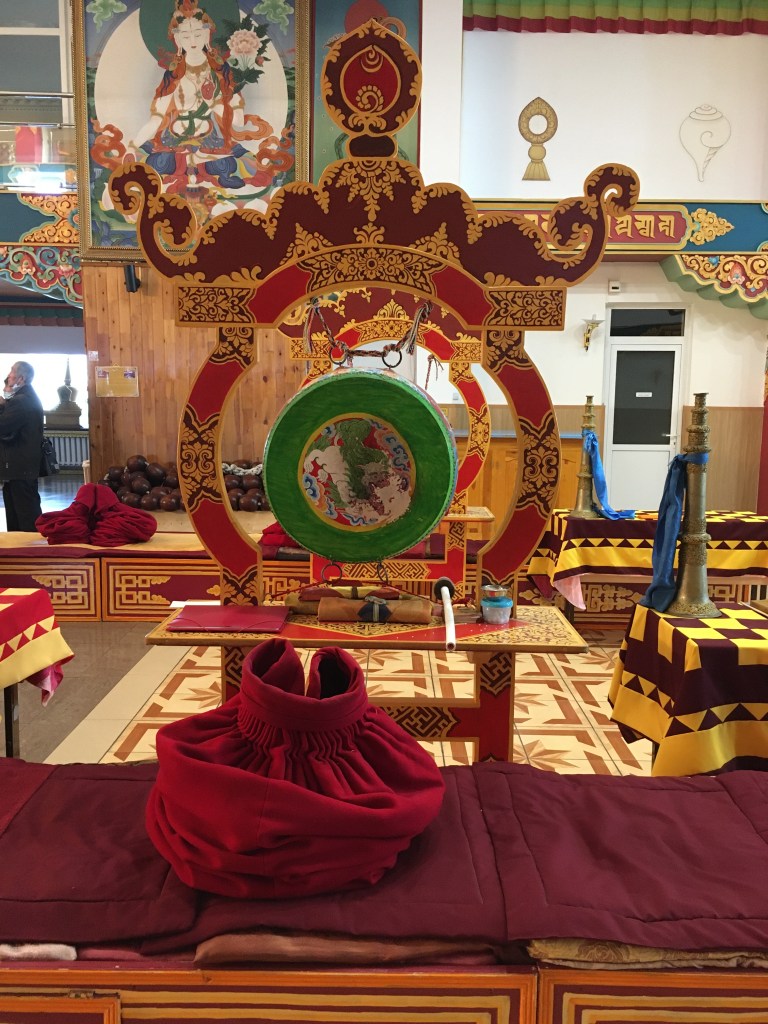
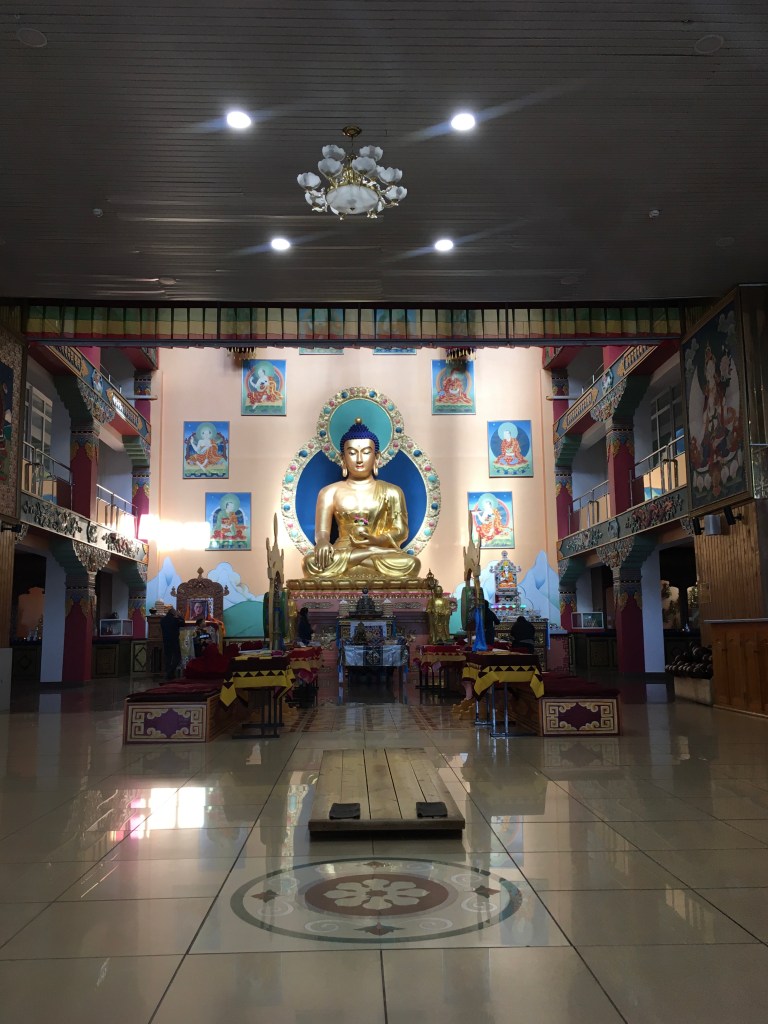
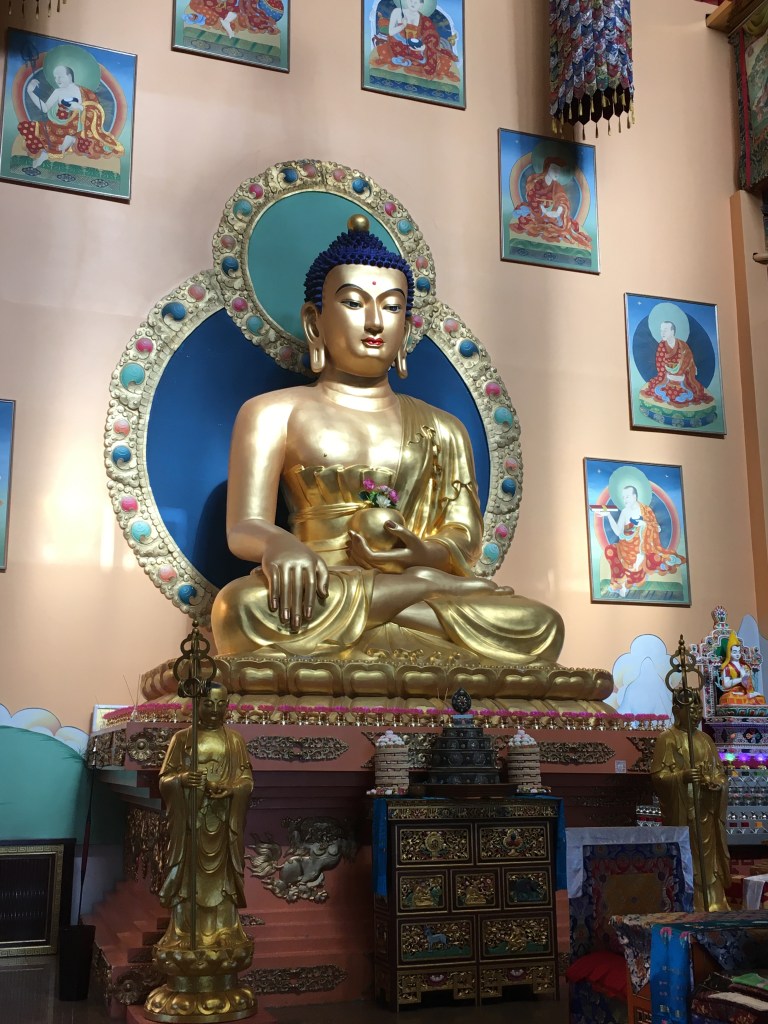
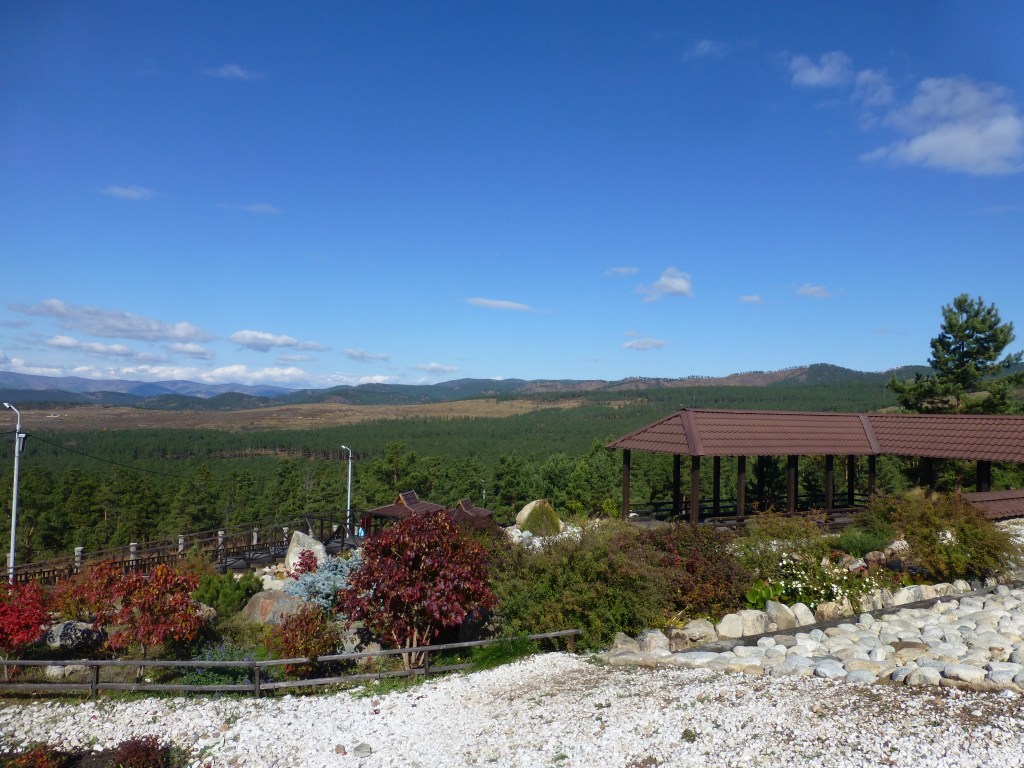
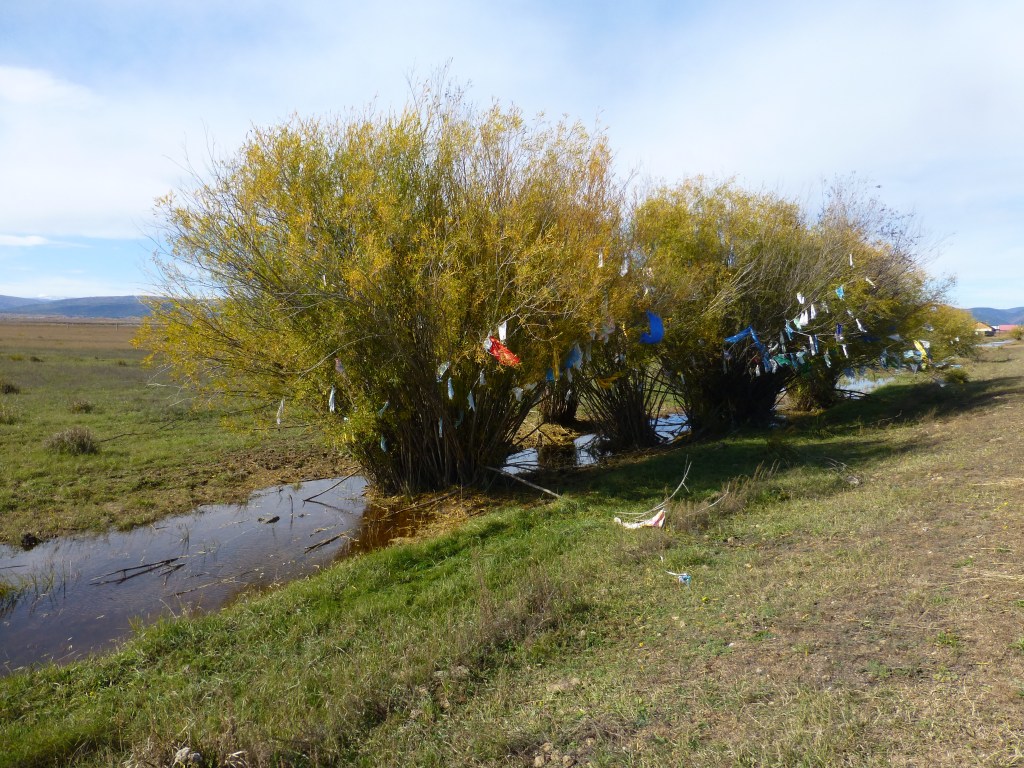
We were able to visit a couple of temples. Datsan Rinpoche Bagsha is high on a hill overlooking the city with a beautiful tunnel of pray flags blowing in the wind and the other, much larger complex, is 35km away down on the plain. It was this larger, Ivolginsky Datsan that had been built with Stalin’s permission and is the centre of Russian Buddhism and where the head Lama of the Russian Buddhists lives in an extremely modest house. The other notable feature of Ulan Ude, which is not a notable town, is that in its main square stands the largest Lenin head in the world (7 meters tall and 40 tonnes of bronze). The town itself has very little pre-Soviet architecture left and very little in the way of places to eat though I would recommend trying Buuz, a Buryatian steamed dumpling filled with meat. Yummy!
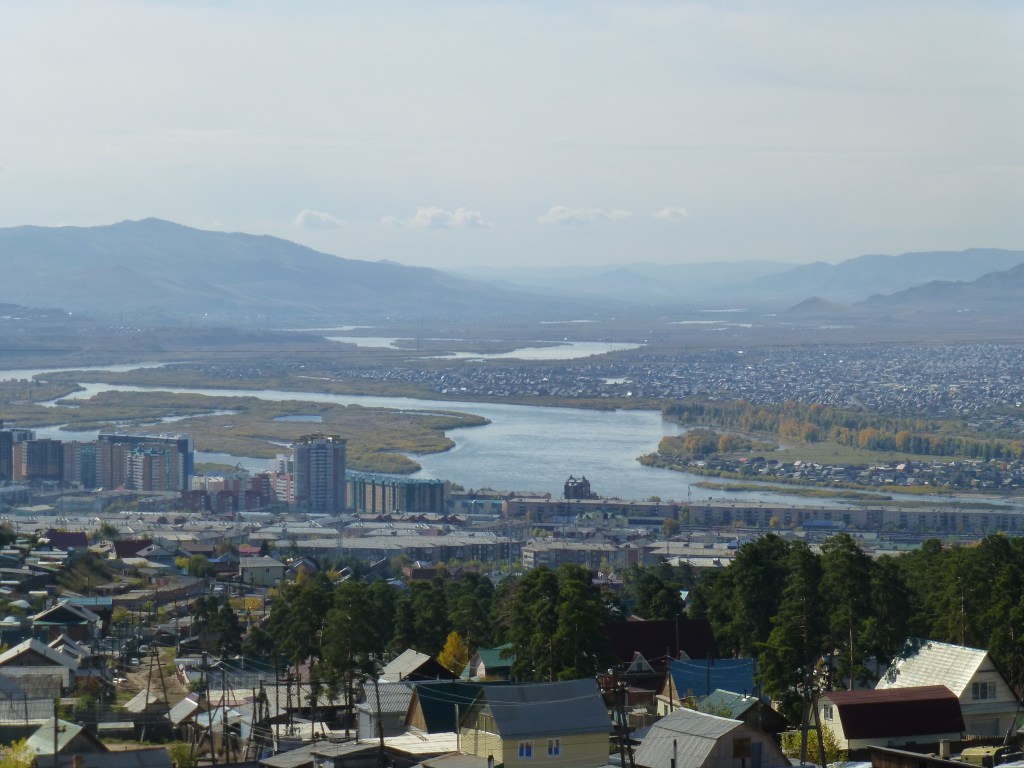
After 2 nights we climbed back on board Train No.62 and settled in for 2 days of chugging across the steppe and taiga towards our next stop over at Khabarovsk.
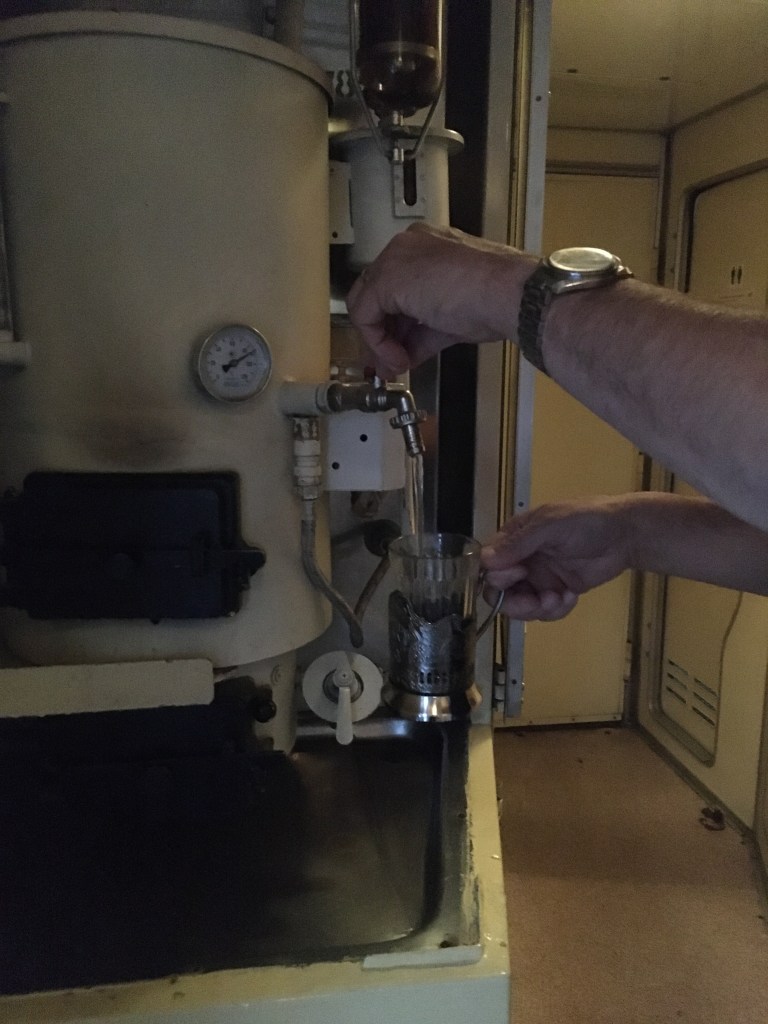
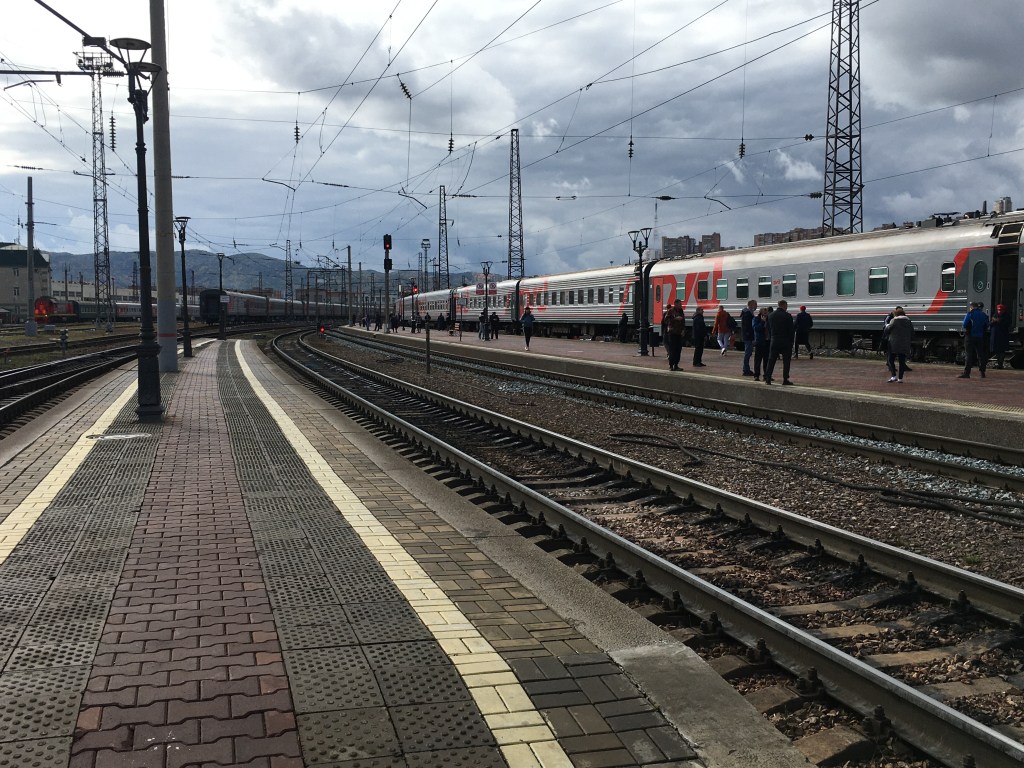
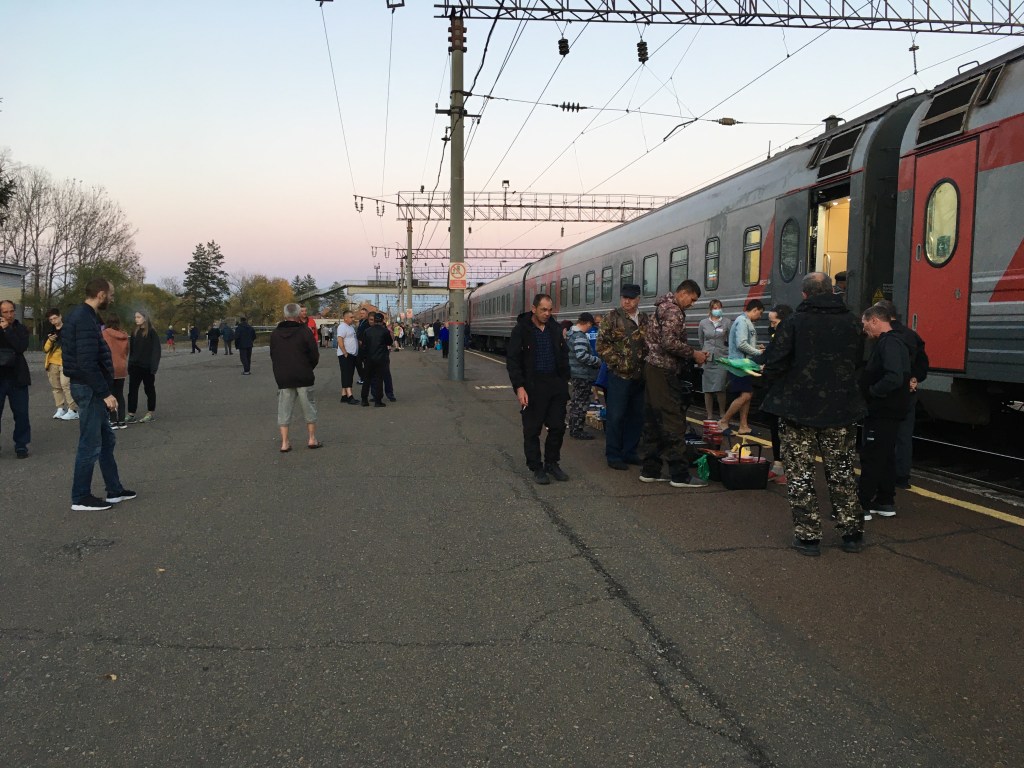
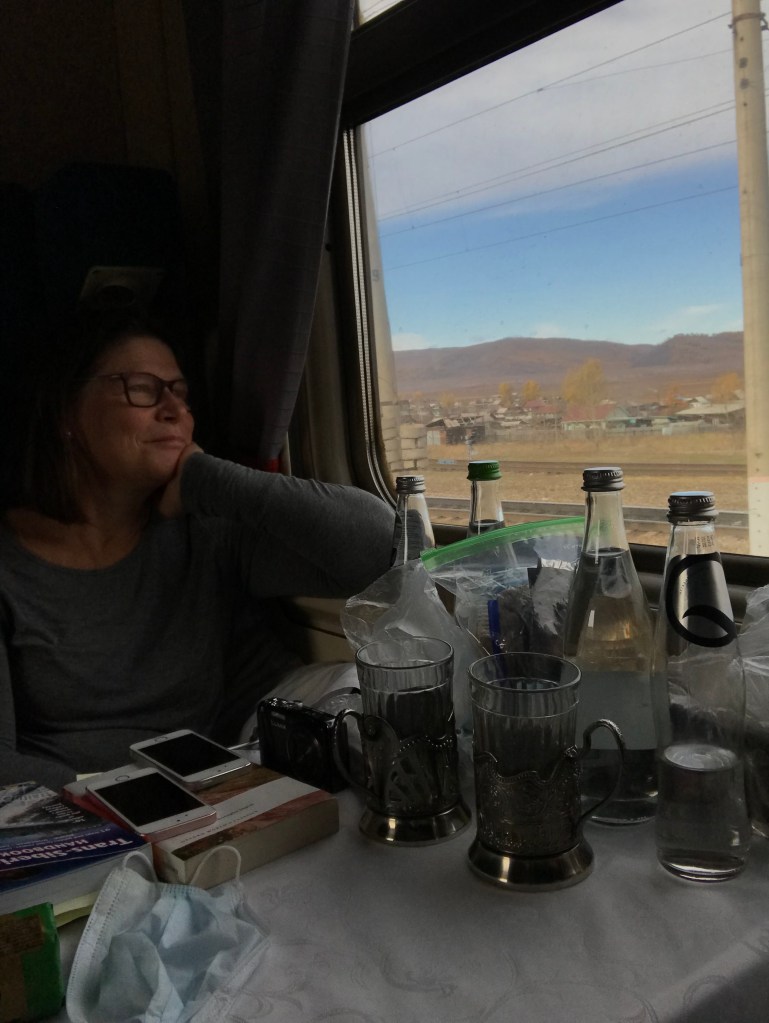
By now, having learned our lesson about the food on the train, we did what the Russians did and bought some pot noodles! Every train carriage has a Samovar (hot water urn) with which to make your own tea, coffee and pot noodle! Travelling 1st class on every train we were given 2 bottles of water, one regular and one rather strange tasting Siberian mineral water, a bottle of orange juice, a bar of chocolate, and a something similar to a cake bar. So armed with this and some tea bags we were ready! The train does not go fast, about 90km was its top speed and more often than not we were only doing about 60km p/h. From time to time throughout the day and the night we would stop at stations, sometimes for just one or two minutes and sometimes for 20 or 30 minutes. At these longer stops men and women would appear on the platform selling a whole variety of food – dried salted fish, berries and our greatest discovery – Pirozhki. Pirozhki are a delicious, deep fried dough like a donut, stuffed with a variety of different things – potato, egg, sausage or cabbage. We bought one of each to supplement our pot noodles and chocolate. It turns out that I love donuts stuffed with potato and cabbage – who knew!
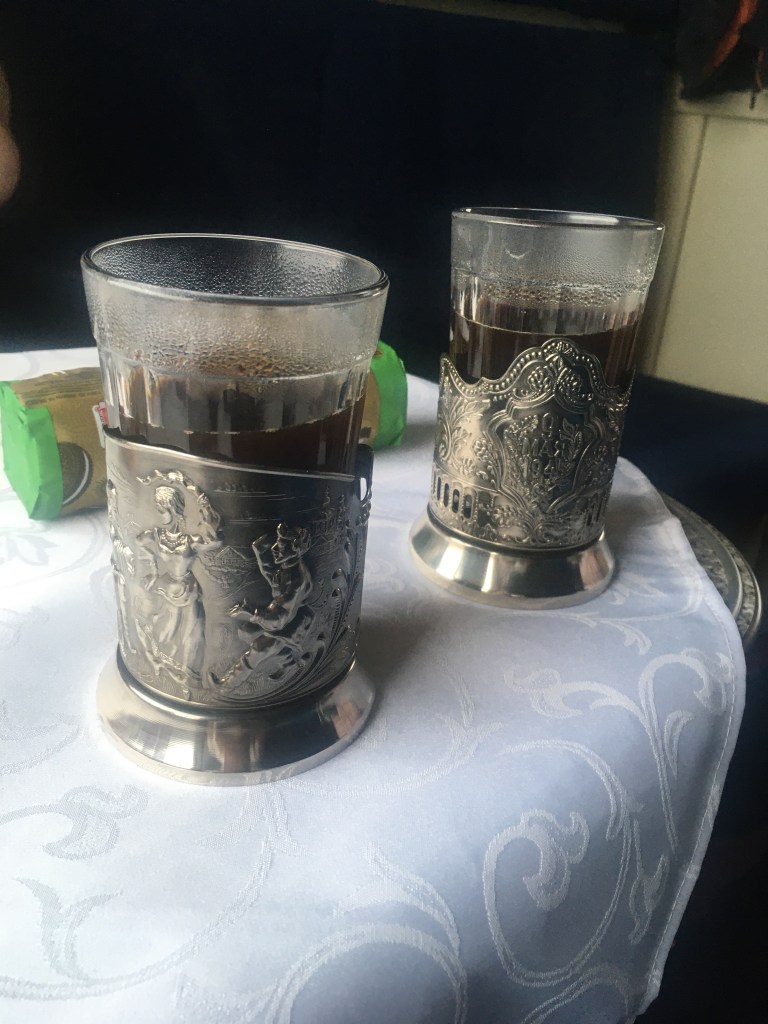

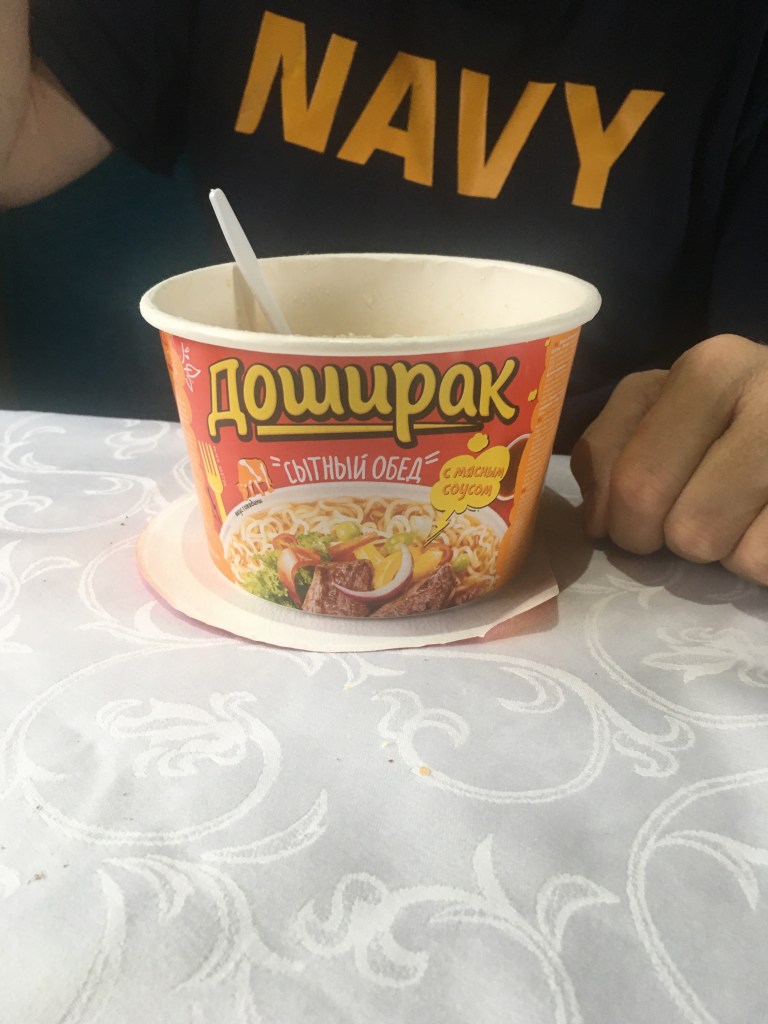
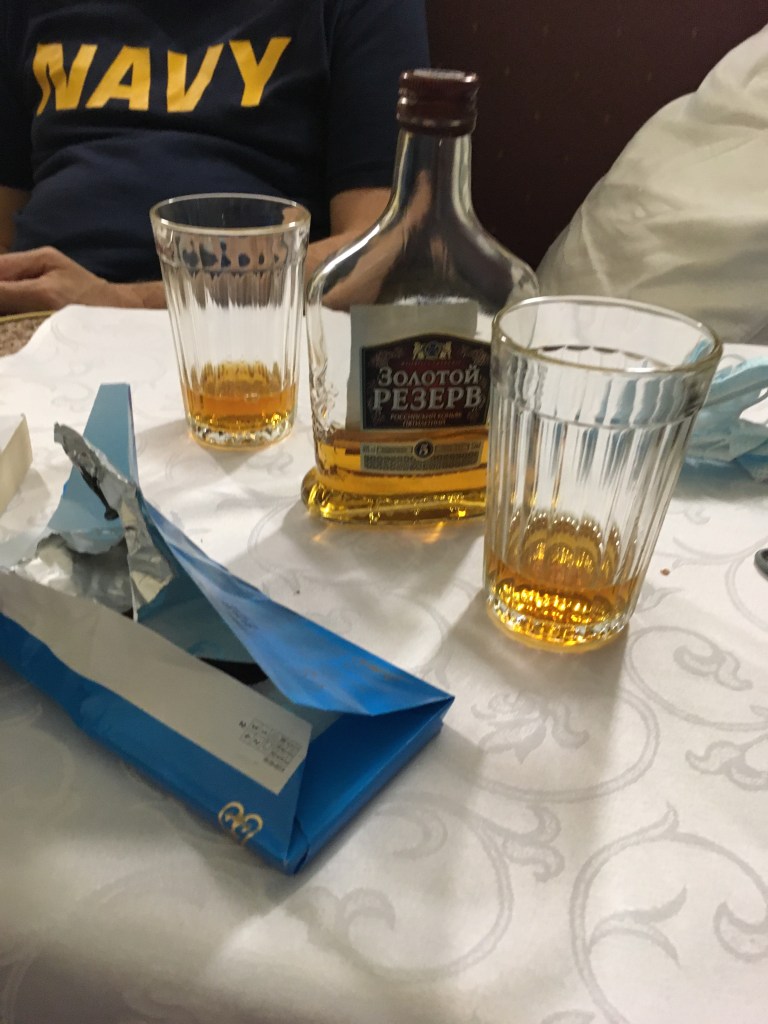
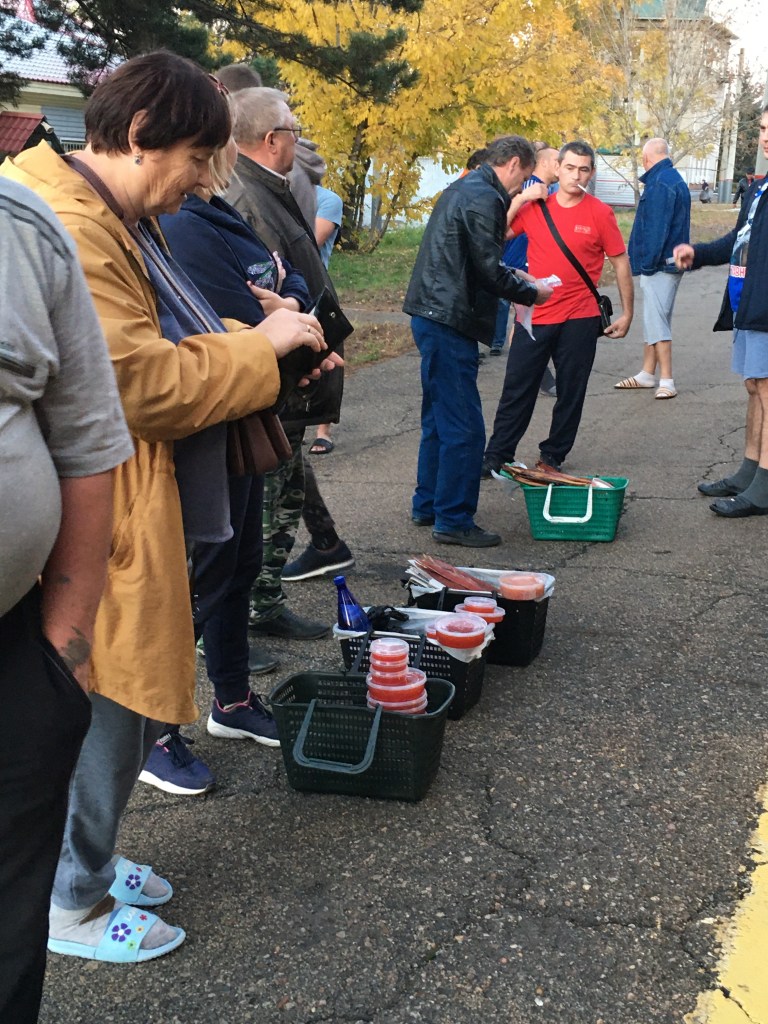
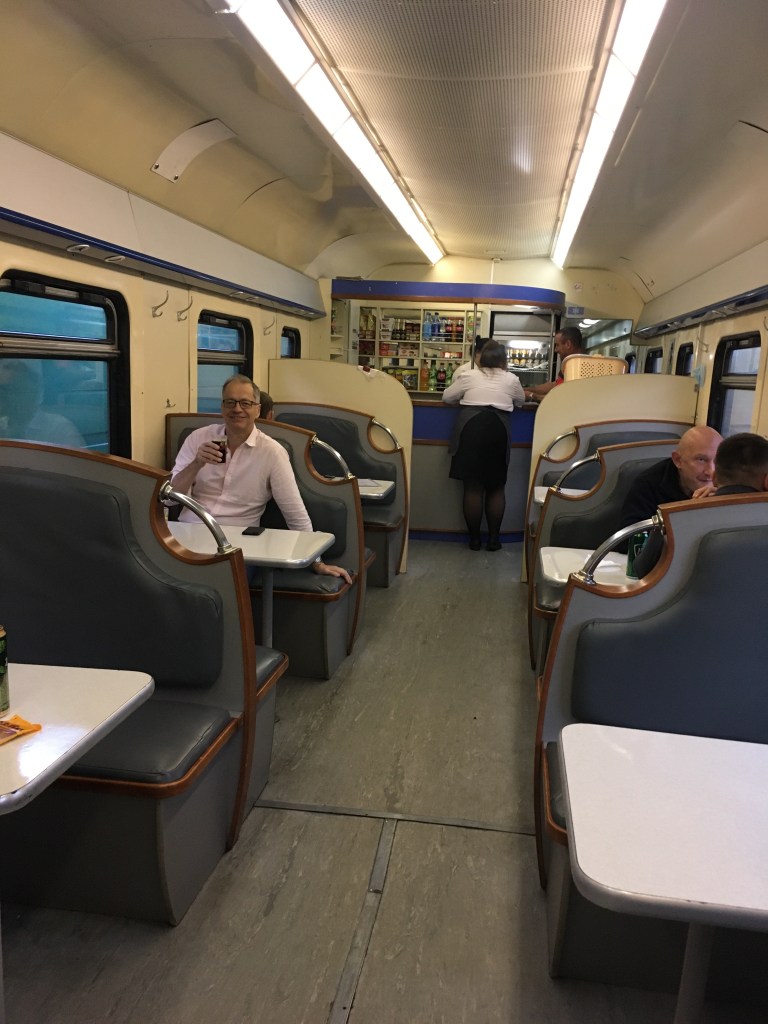
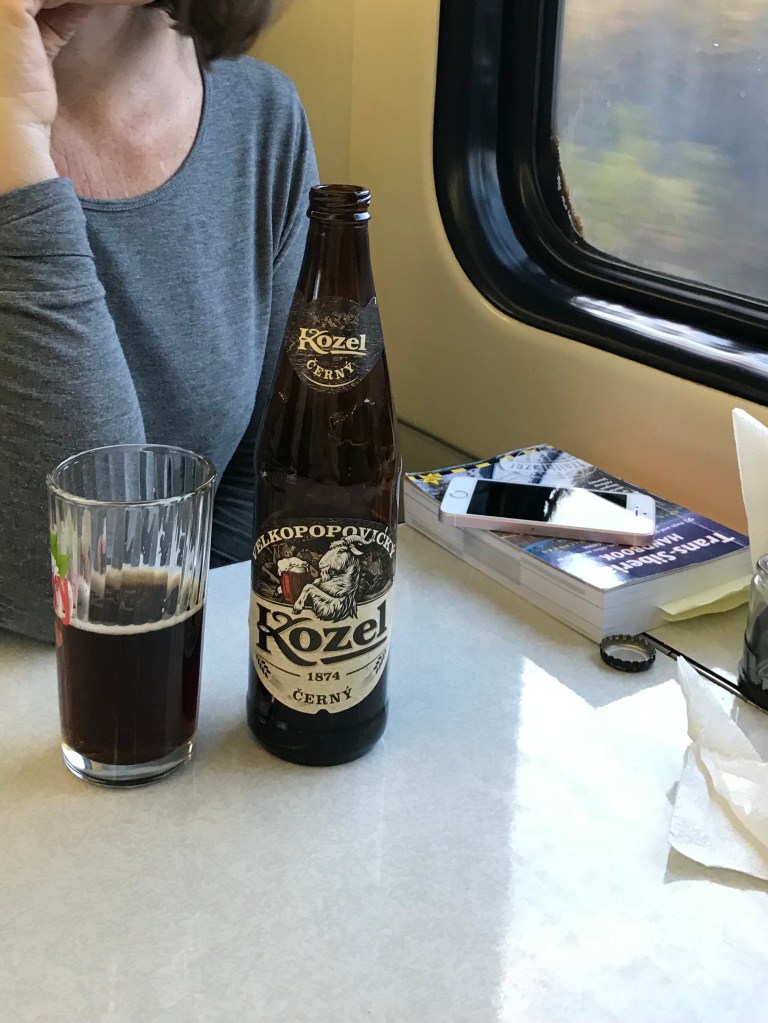
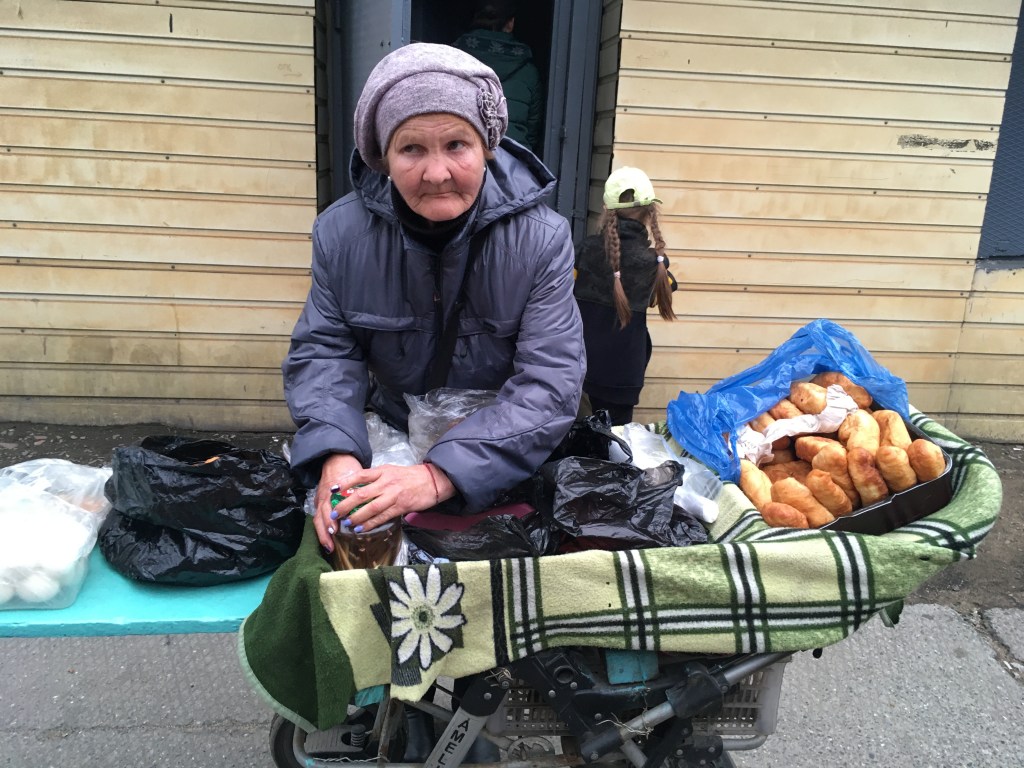
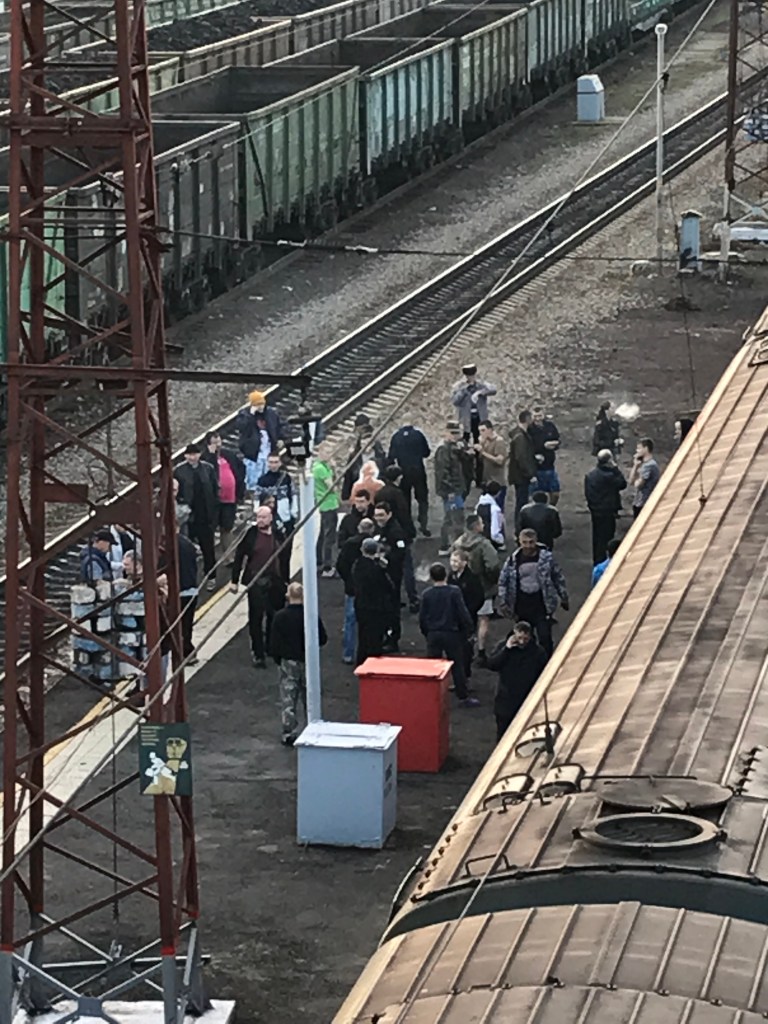
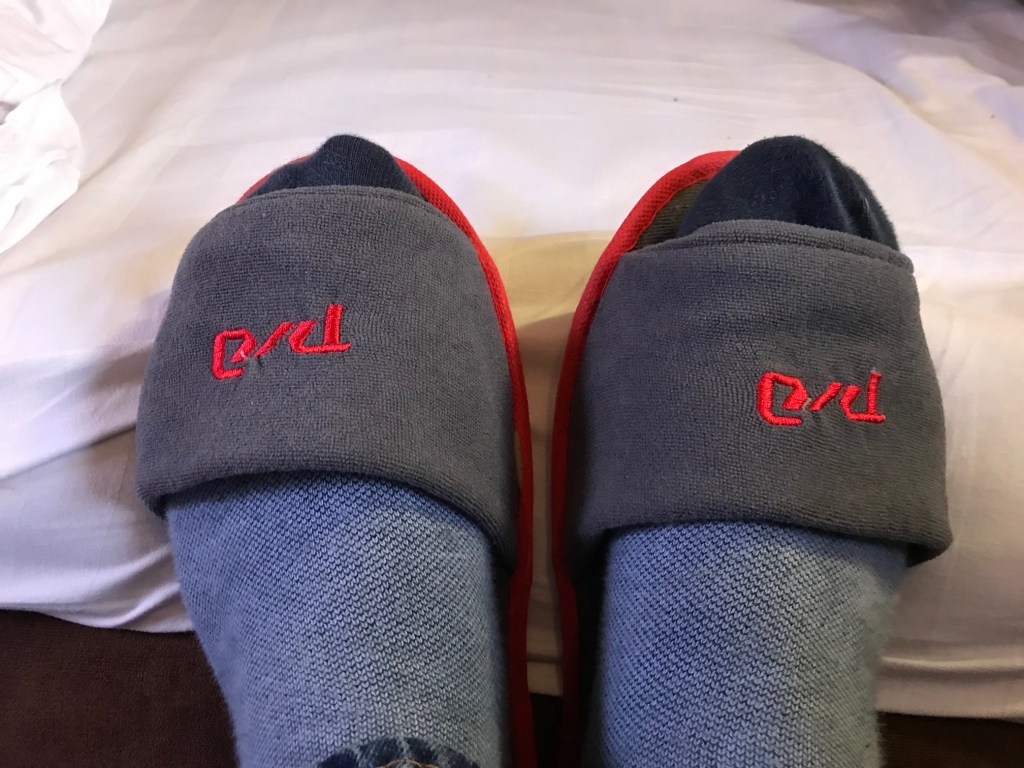
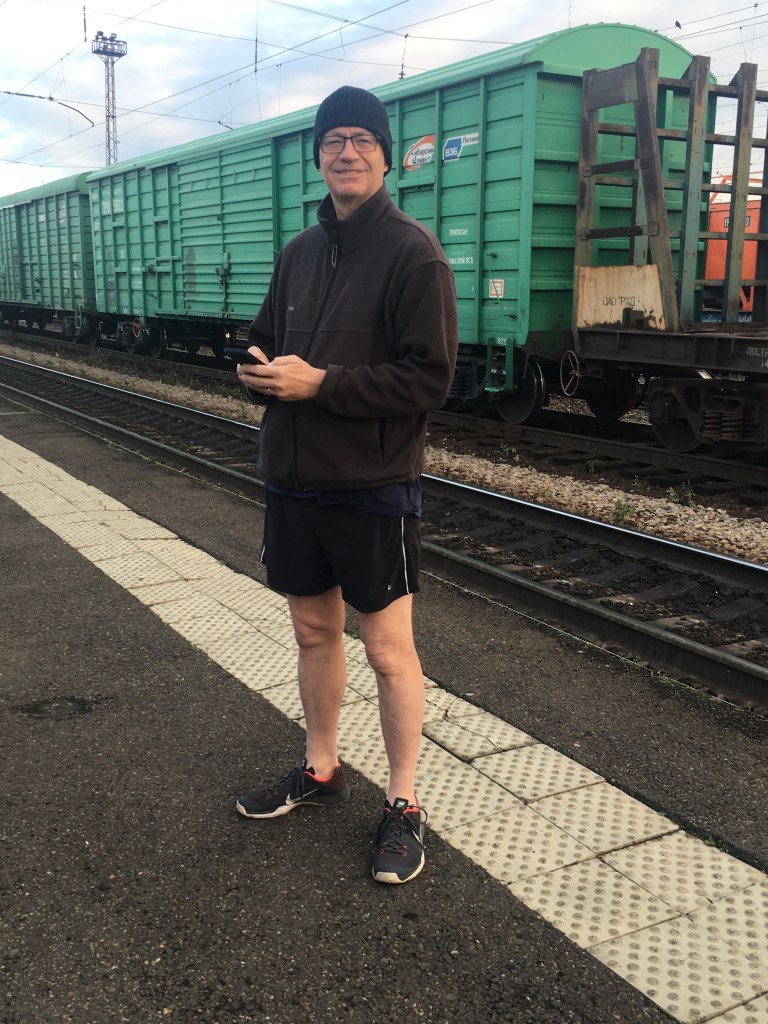
The other thing that happens when the train stops for more than 5 minutes is that all the Russians pour off the train for a smoke! On board the train everyone takes off their shoes and wears slippers or flip flop type things and many of the men just wear shorts because the trains have the heat turned up high in the colder months. So they all stand there on the platforms with their winter coats pulled on over shorts and flip flops! Another fallacy that people have about Russian train travel is that everyone sits there drinking vodka – they don’t! At least, I don’t think they do. Partly because the only place that you are allowed to drink is in the buffet car and partly because there is nowhere to keep your vodka cold. Ignoring the “you can only drink in the buffet car” rule, as I suspect others do to, we would take a couple of beers on board and a small bottle of cognac (you don’t need to keep that cold!). Sergei, on our first train, was quite happy to ignore the no drinking rule and share our beer with us. We did, on occasion, wander along to the buffet car for a beer and a snack and on one occasion met Frank from Berlin who was spending a month travelling along the Trans-Sib and was travelling Platskartny along with all the Russians even though he doesn’t speak any Russian – now that is adventurous!
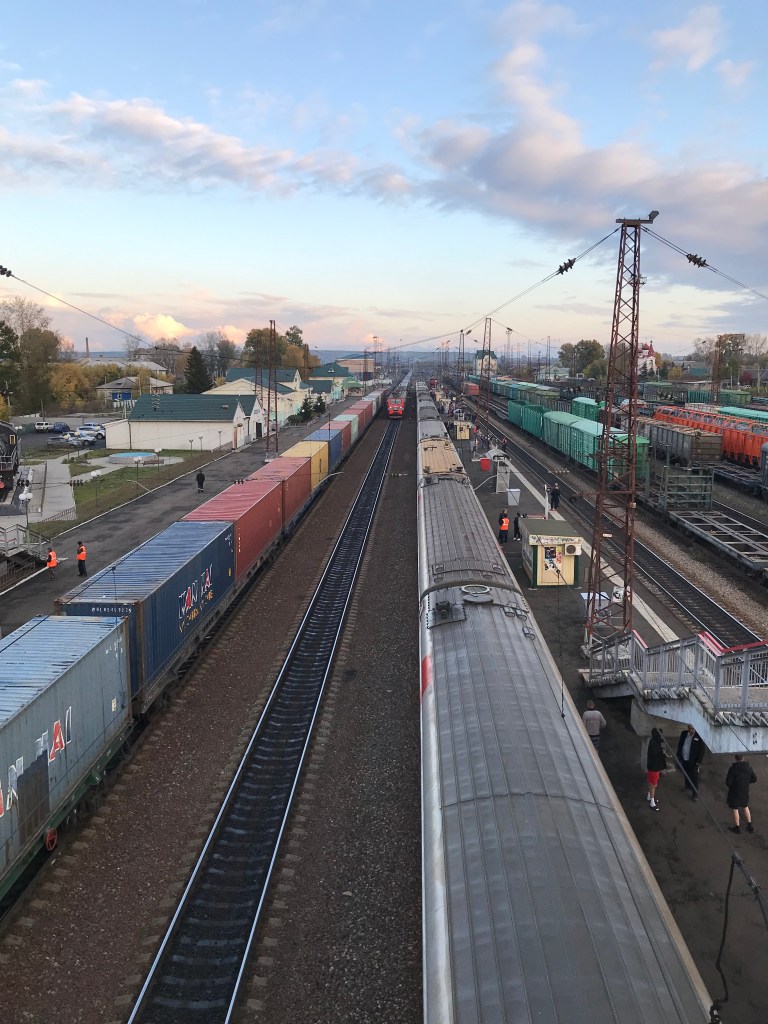
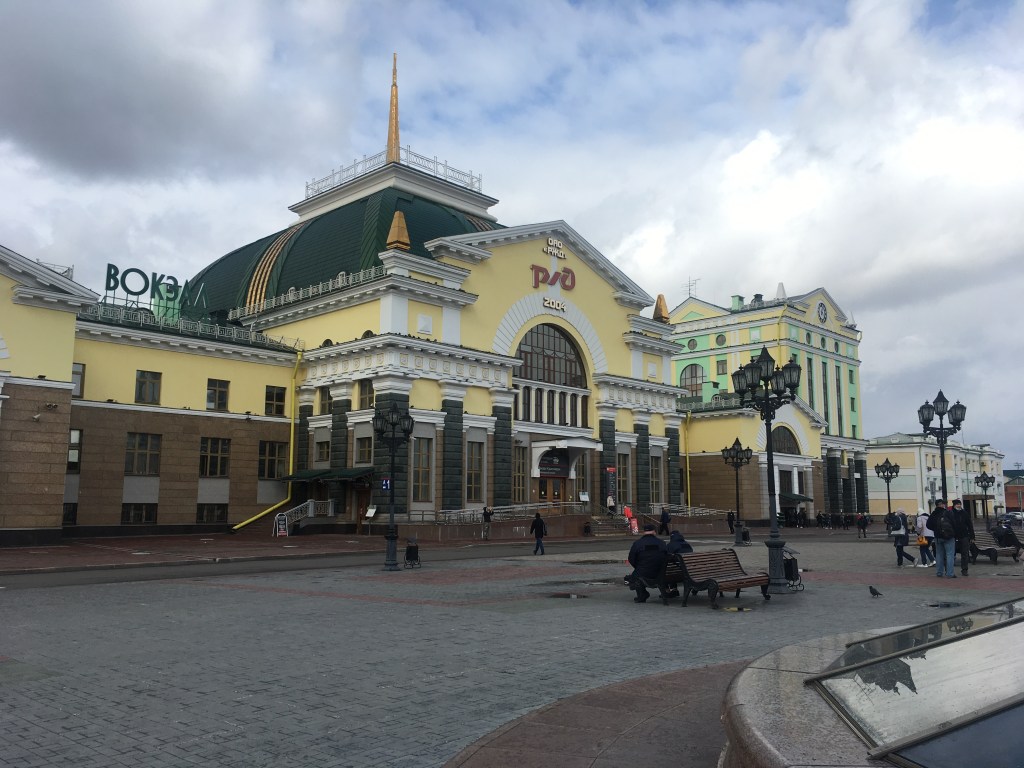
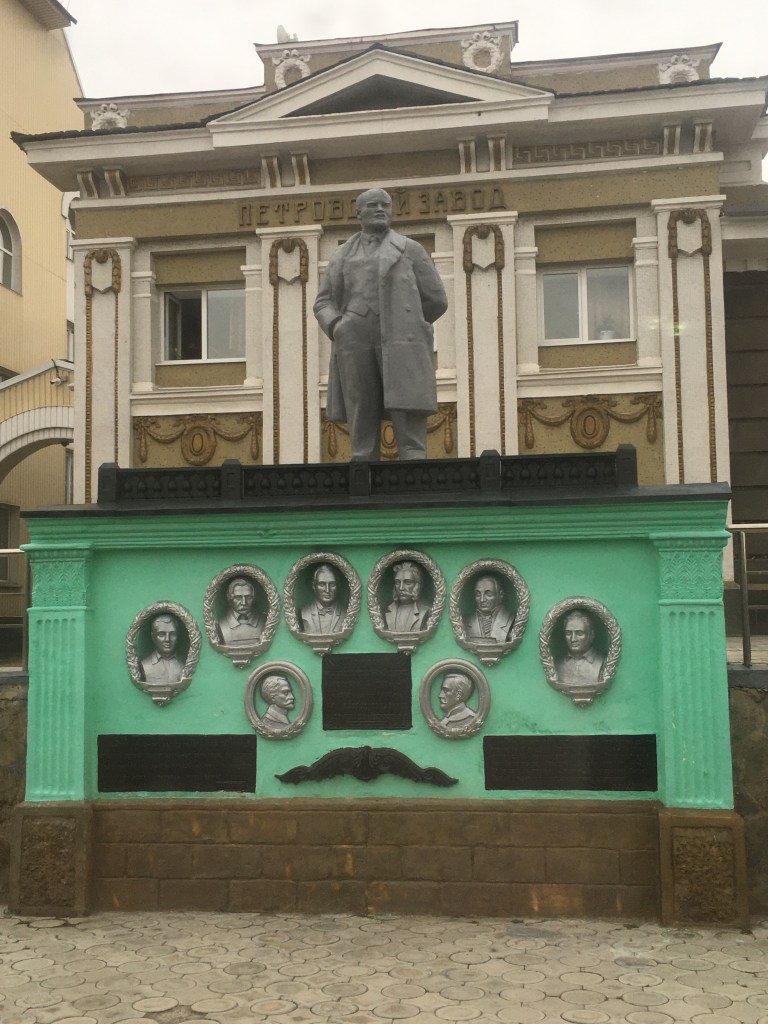
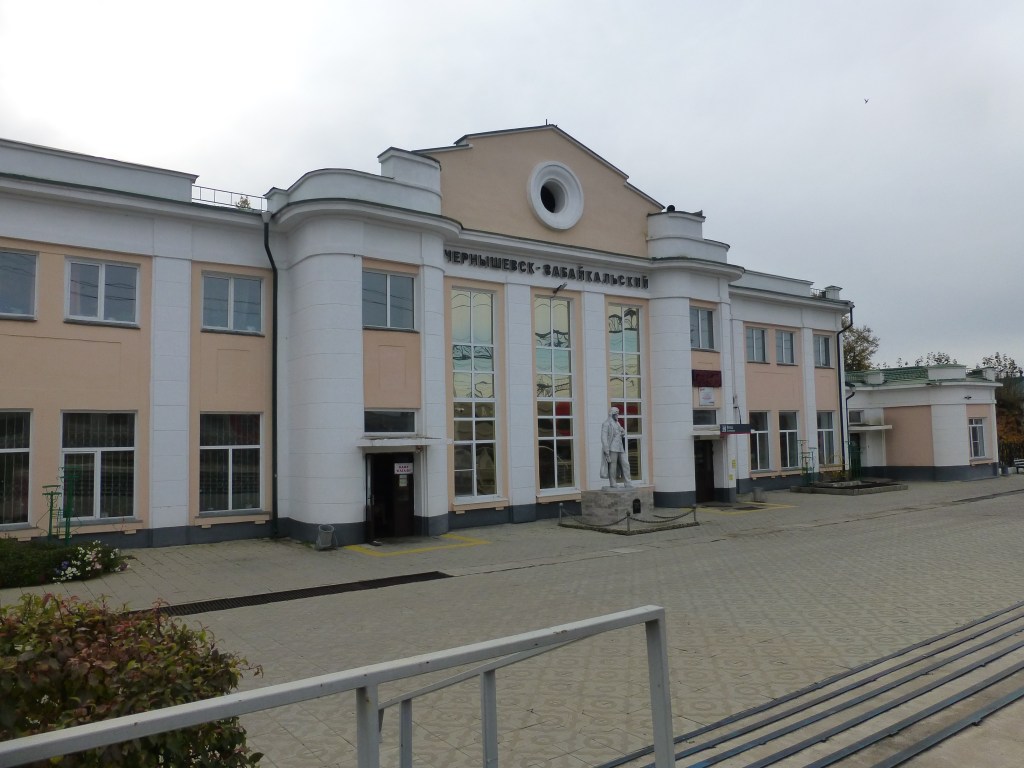
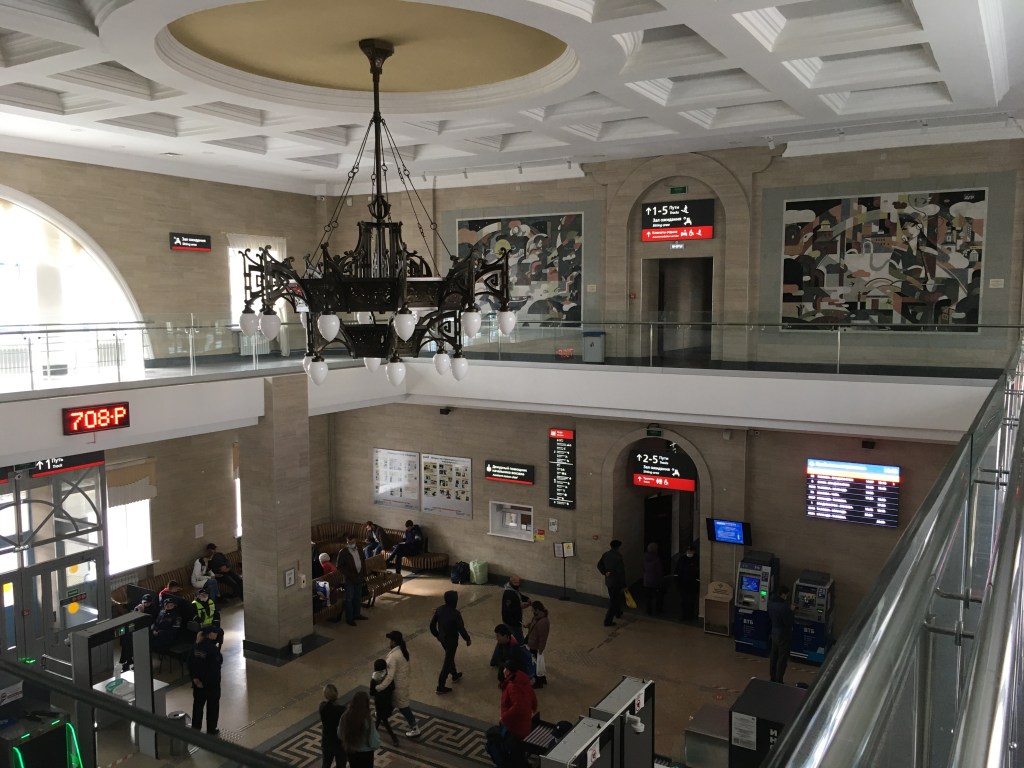
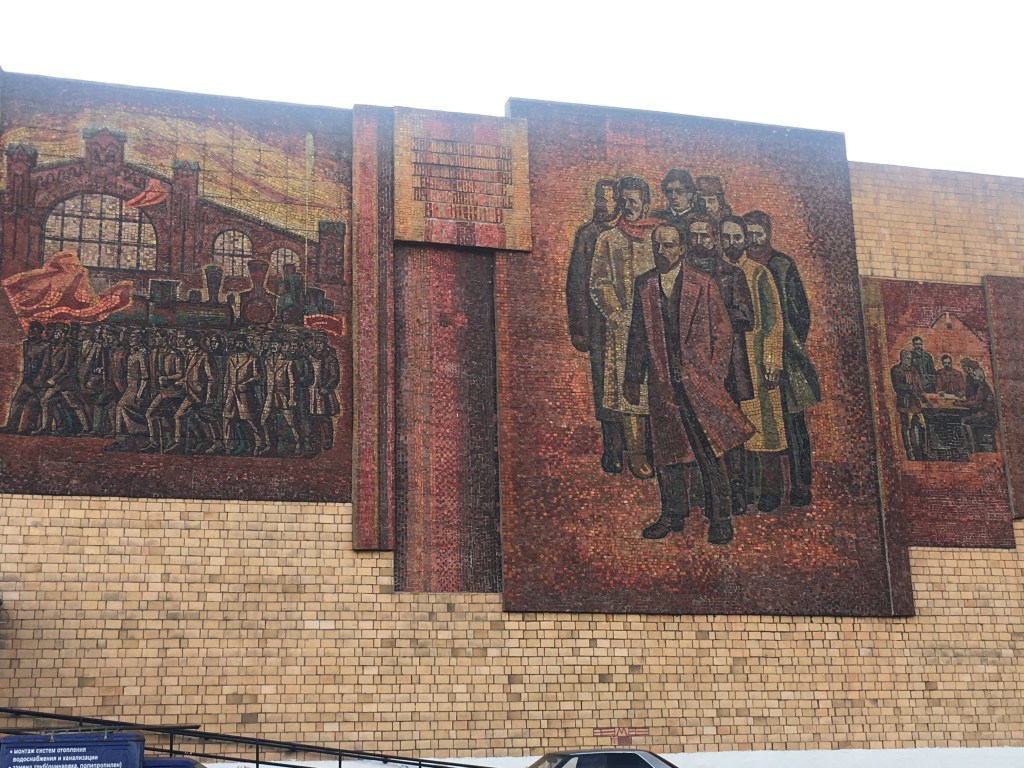
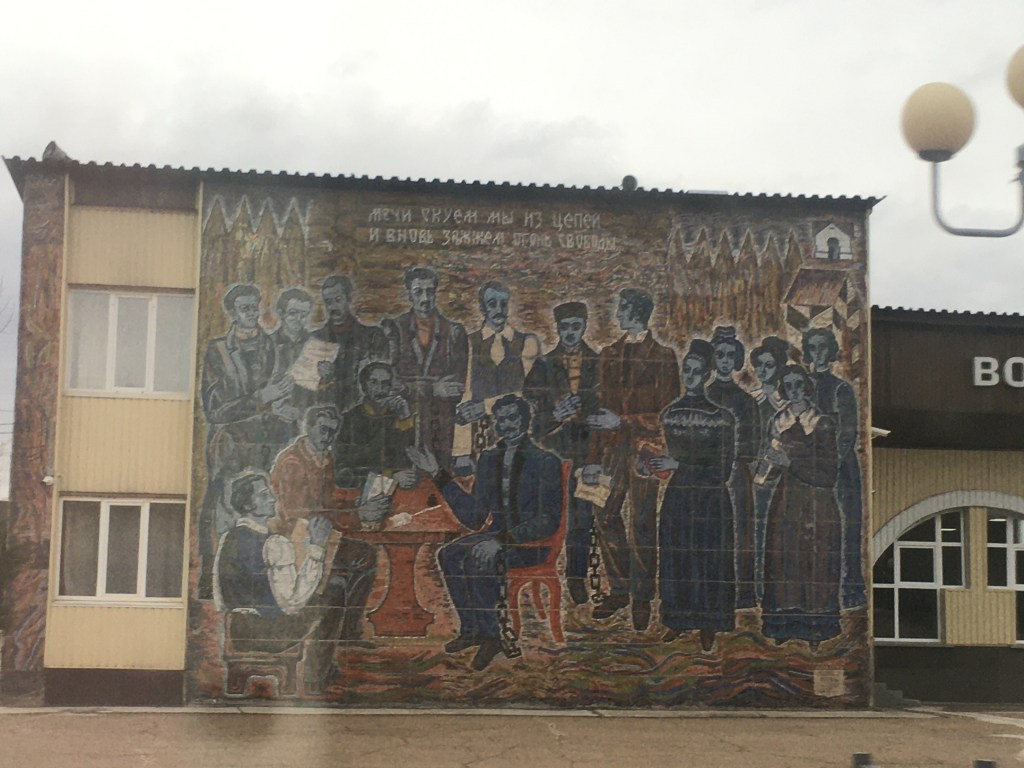
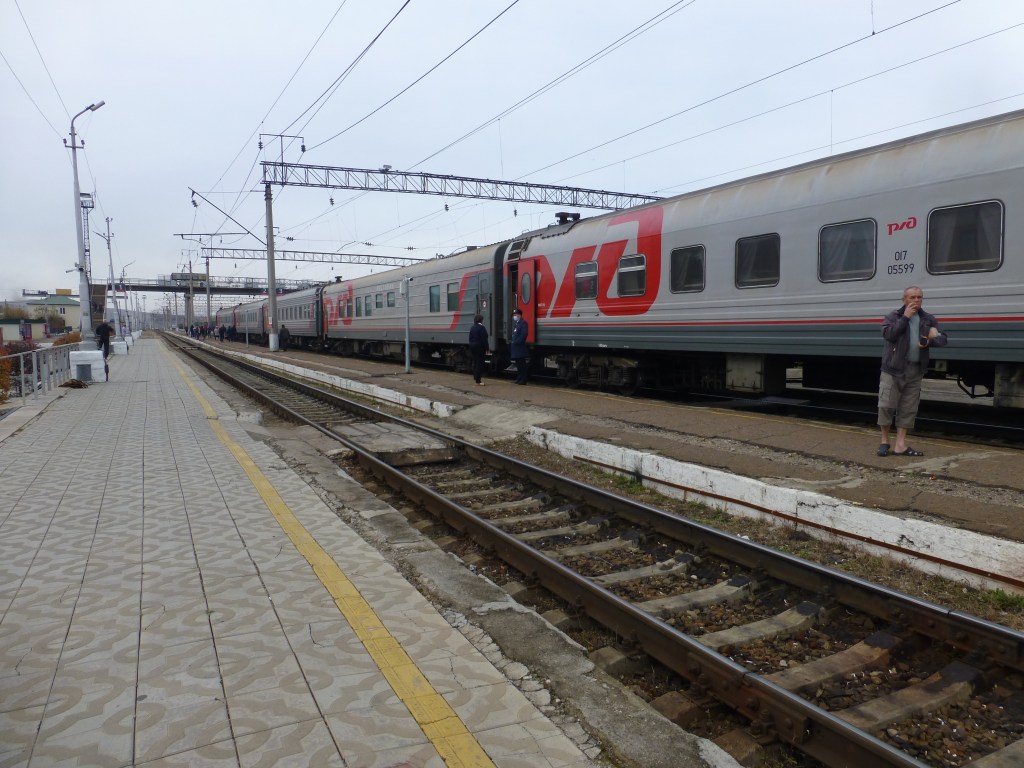
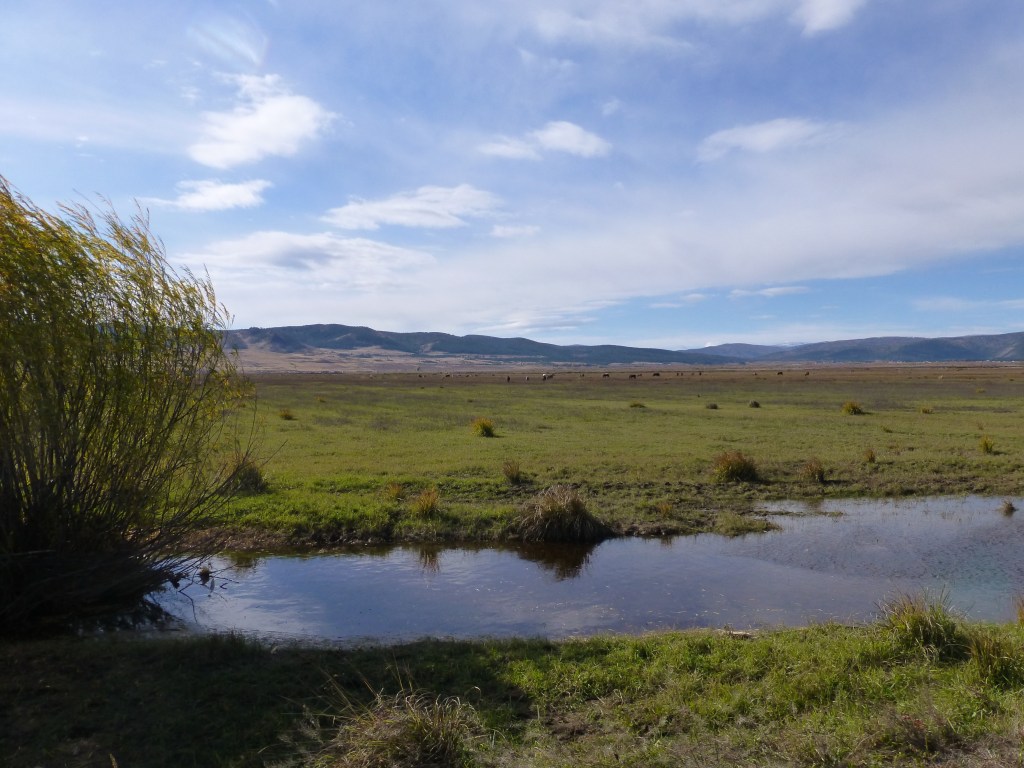
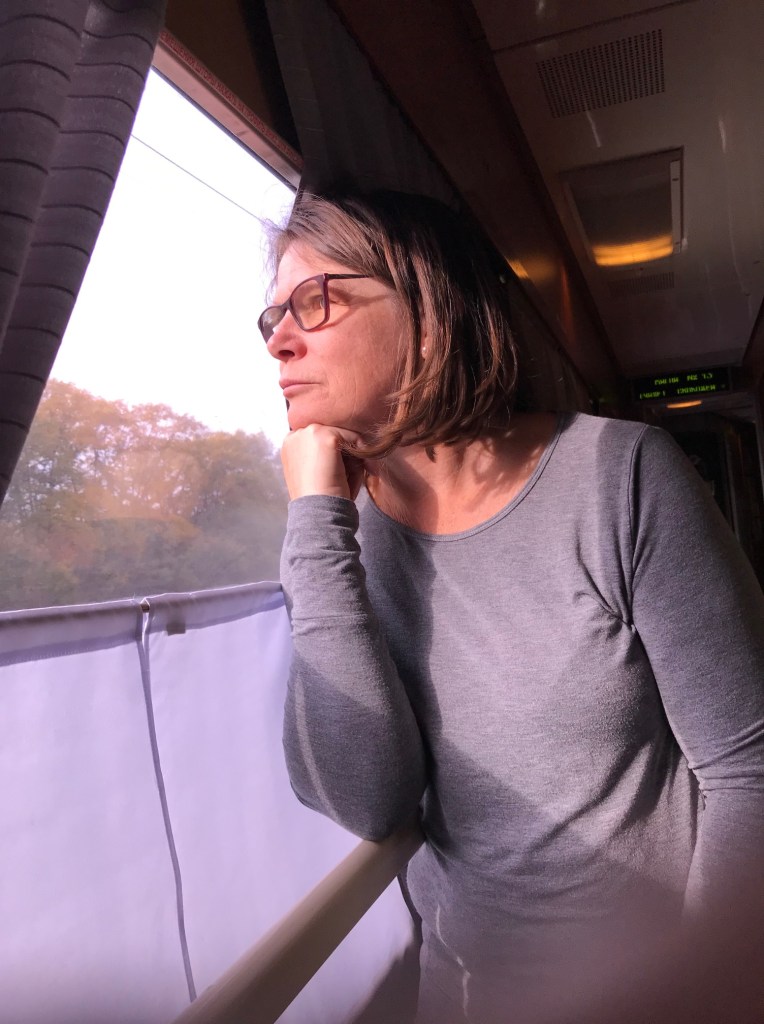
This seems like the right moment to tell you about the passing scenery. The first few days the scenery was trees. Lots of them. Known as taiga here, in the UK we know it as boreal forest, and it consists mainly of a densely packed mixture of conifers and birches. Many of the conifers are larches which in the autumn turn a fabulous golden colour, as do the silver birch. The last section of our trip was mainly tundra; flat open expanses of land that go on forever. In the middle was the prettiest part where we trundled along a couple of river valleys. Here the golden larches and birches were far more spaced out along the river banks and when the autumn sun caught them it was extremely picturesque. Hour after hour we passed trees or tundra interspersed with the occasional village or small town and from time to time a station platform in the middle of absolutely nowhere with no discernible signs of human habitation for miles around.
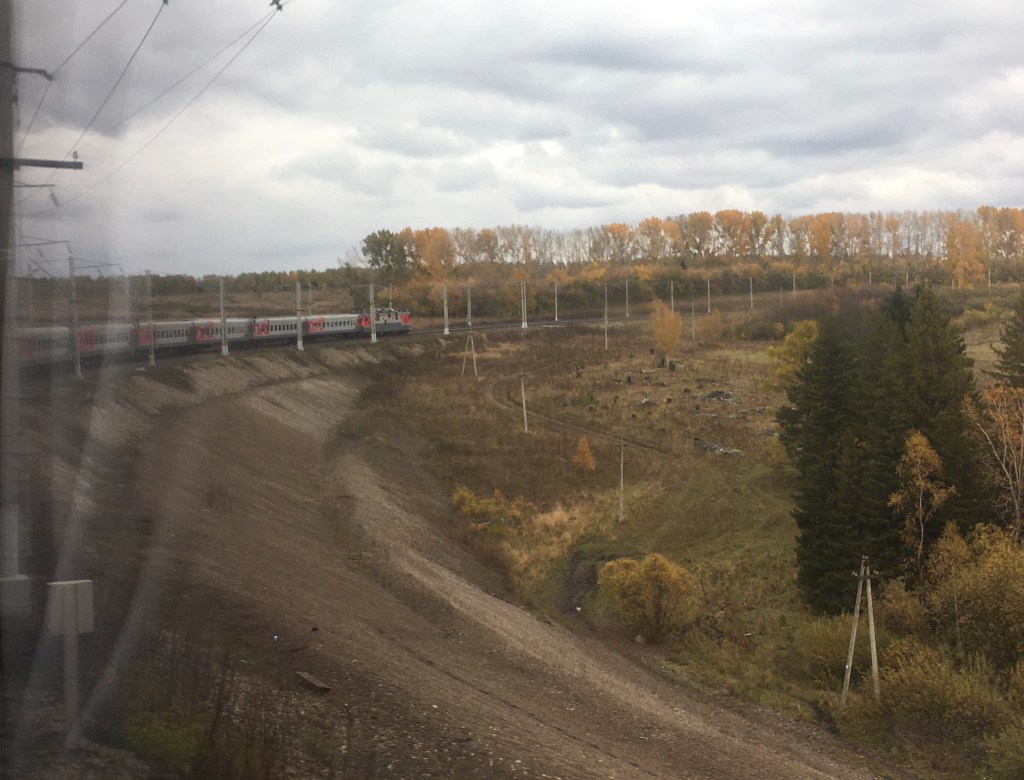
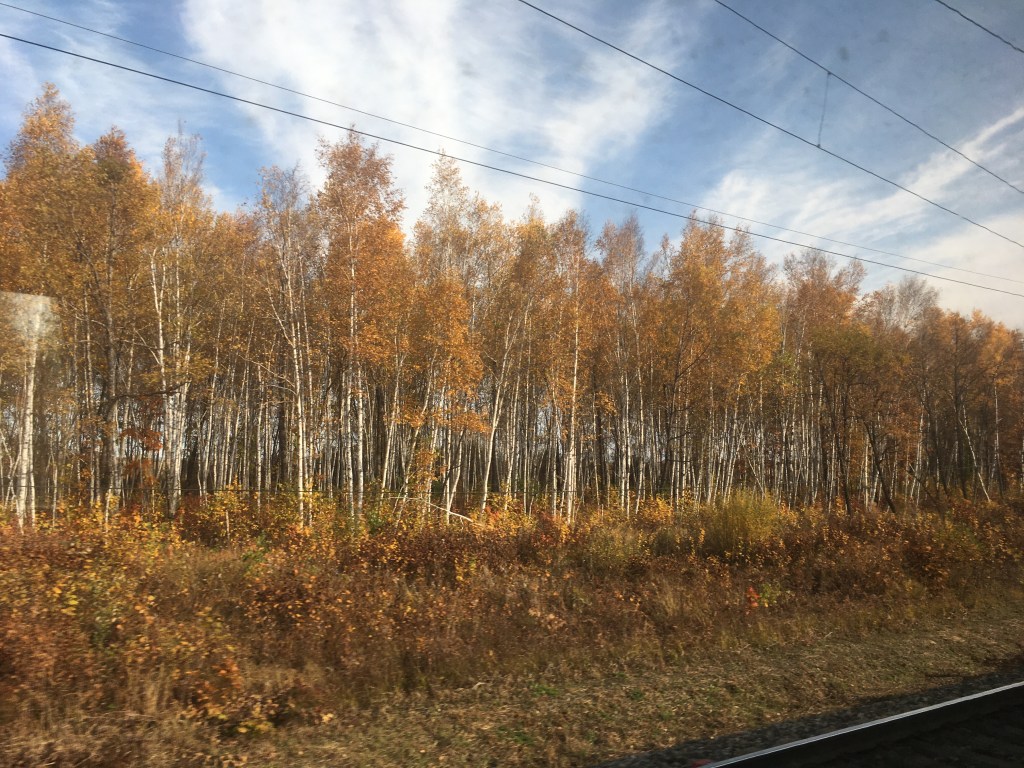
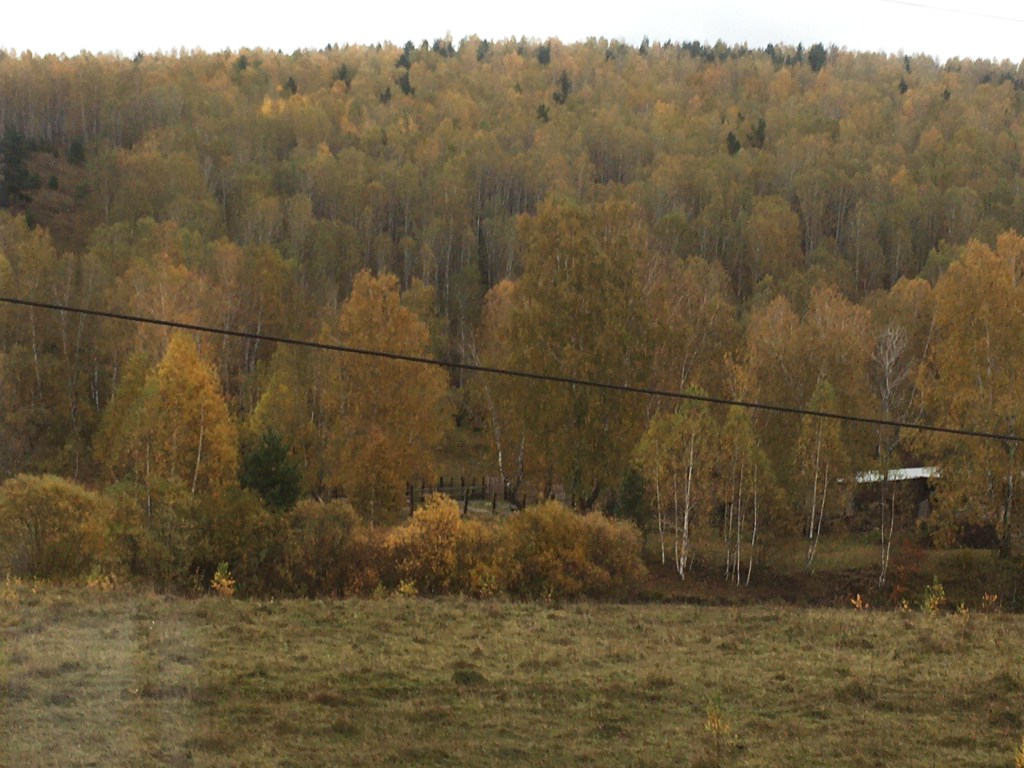
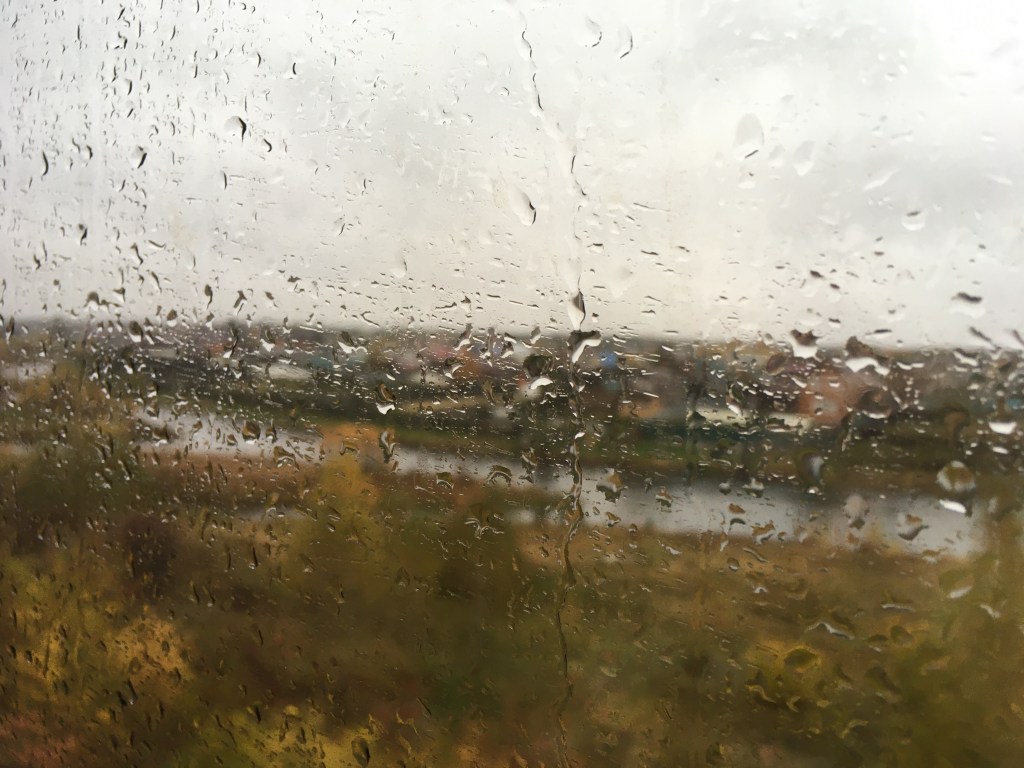
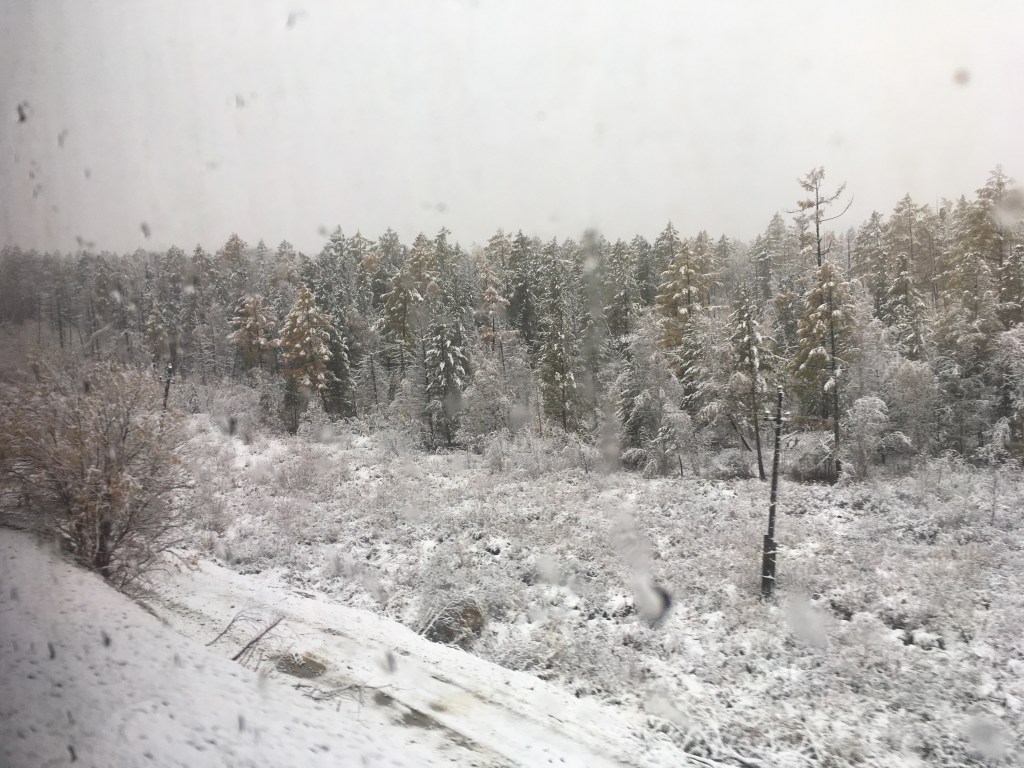
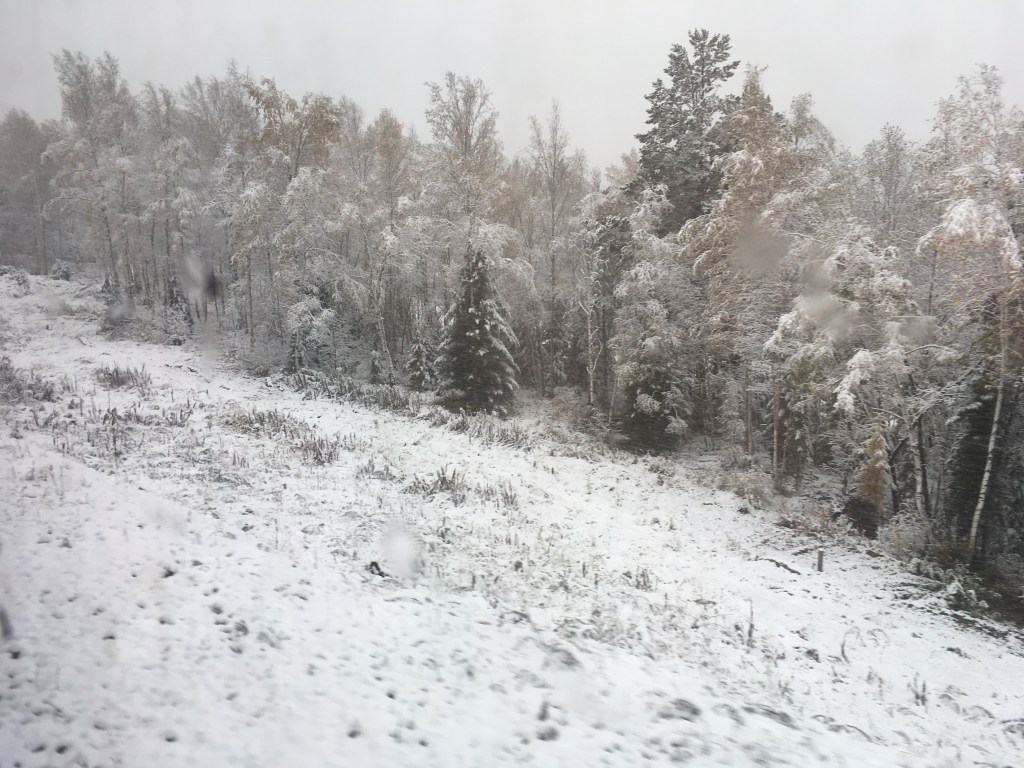
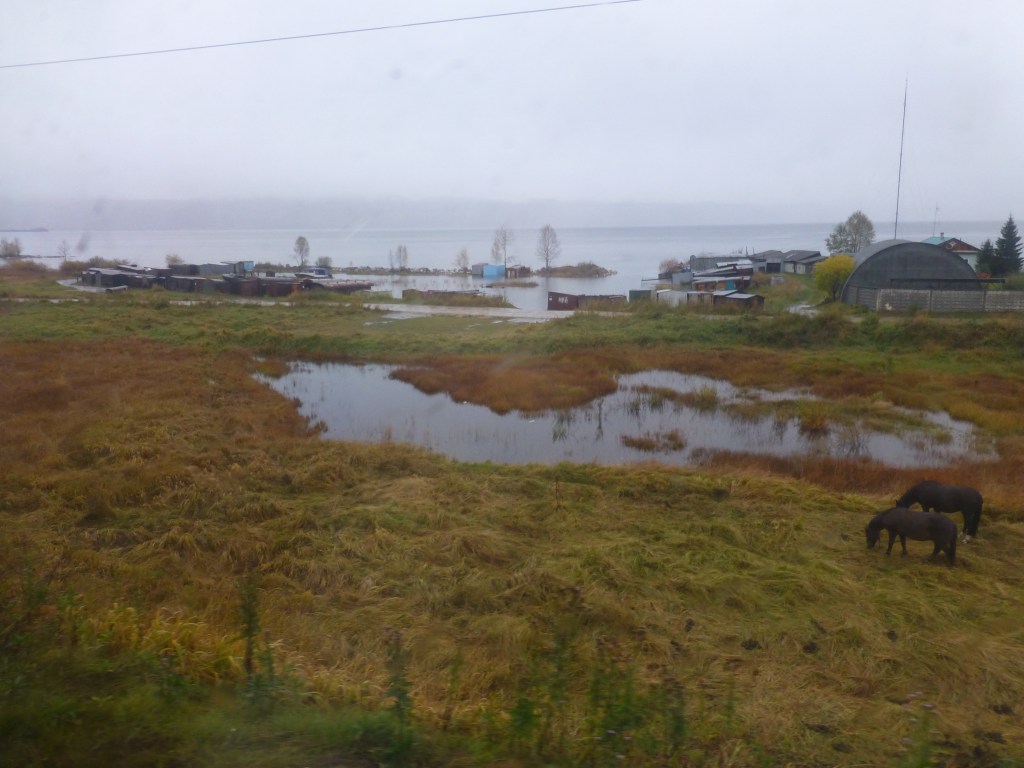
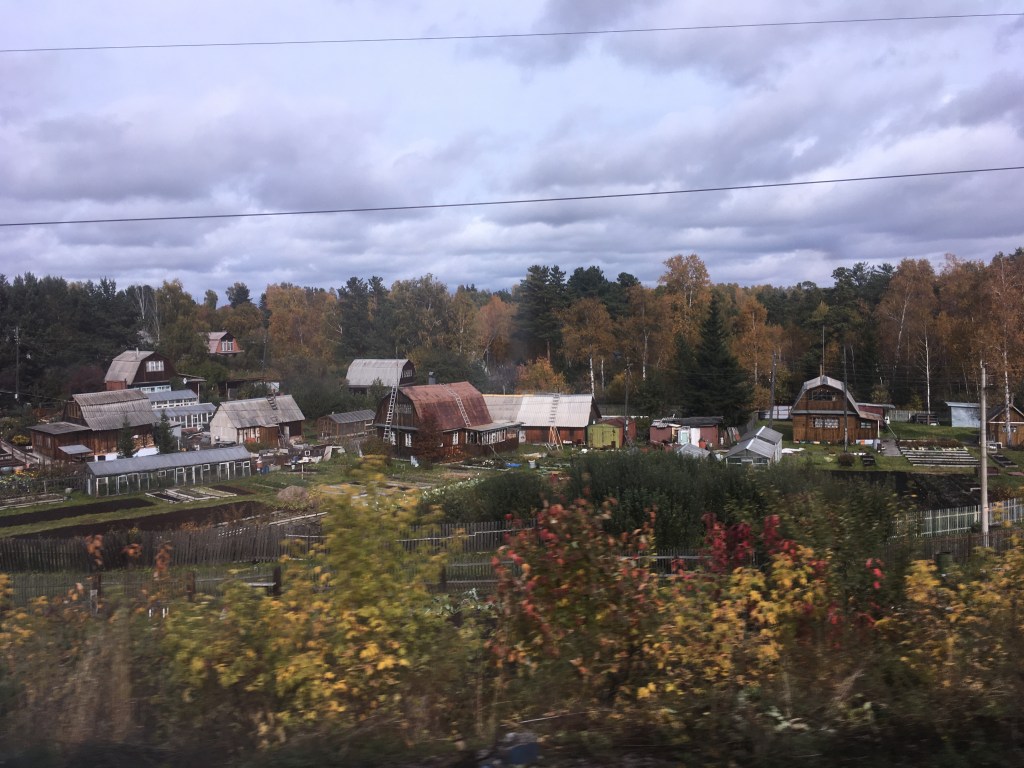
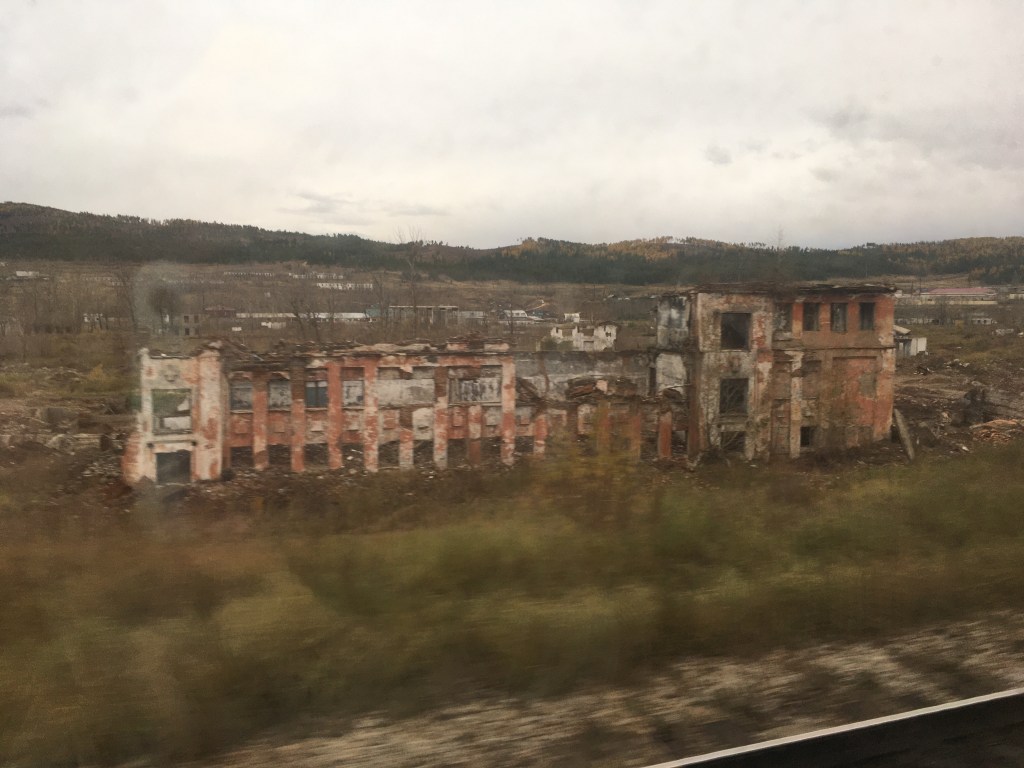
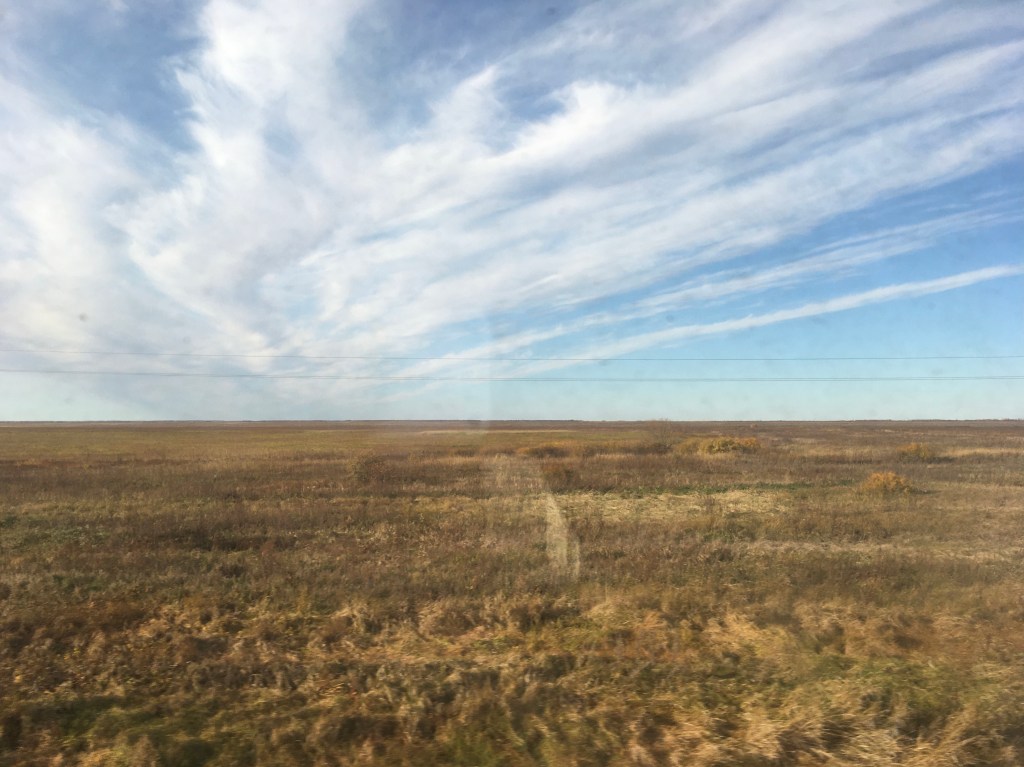
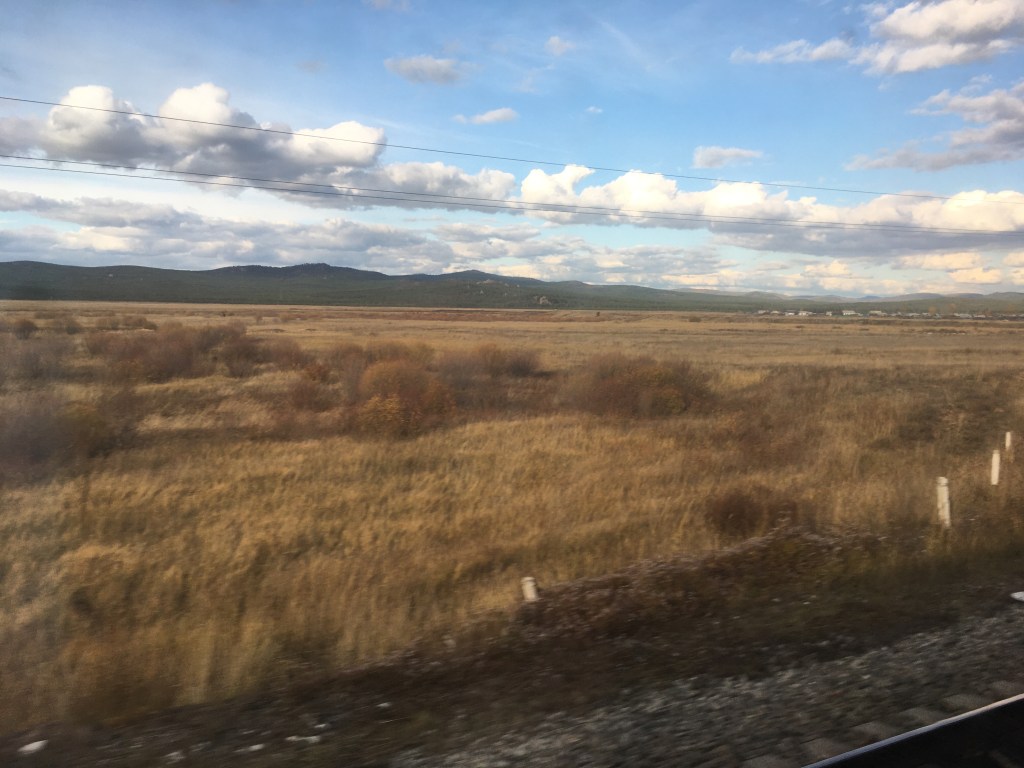
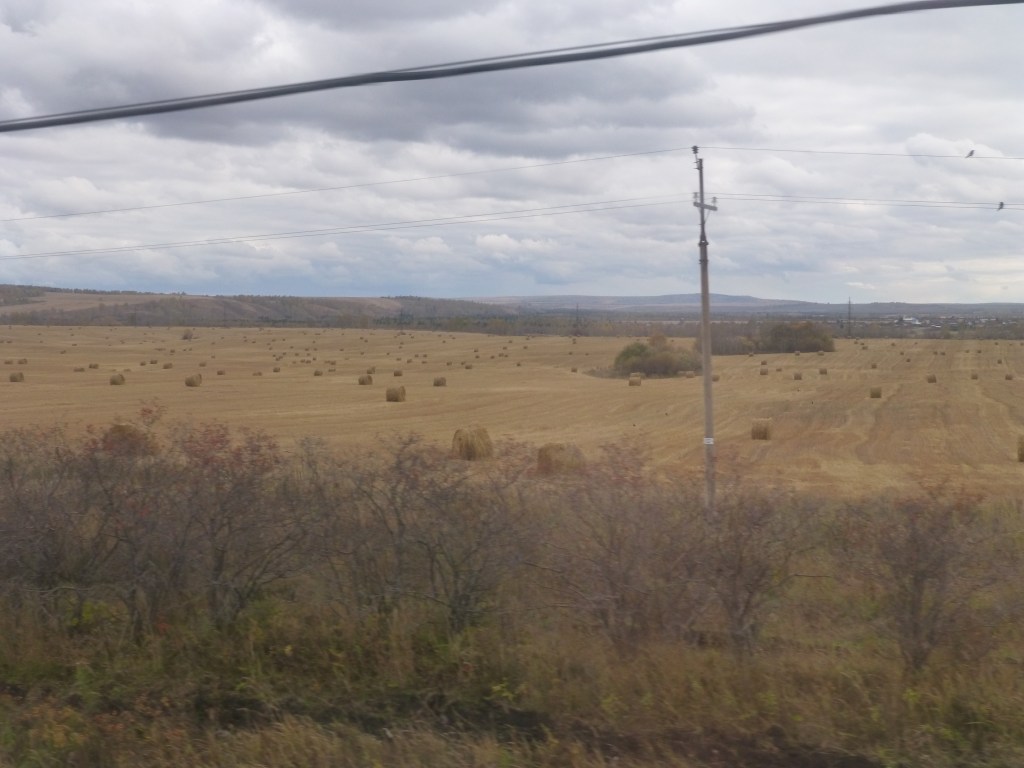
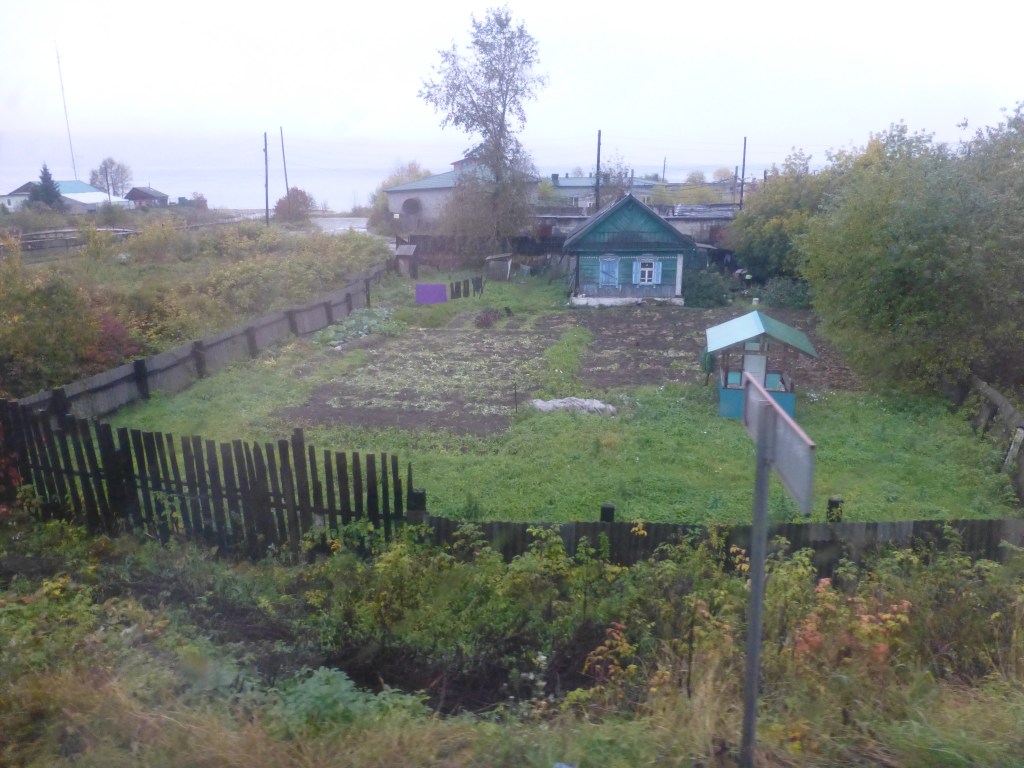
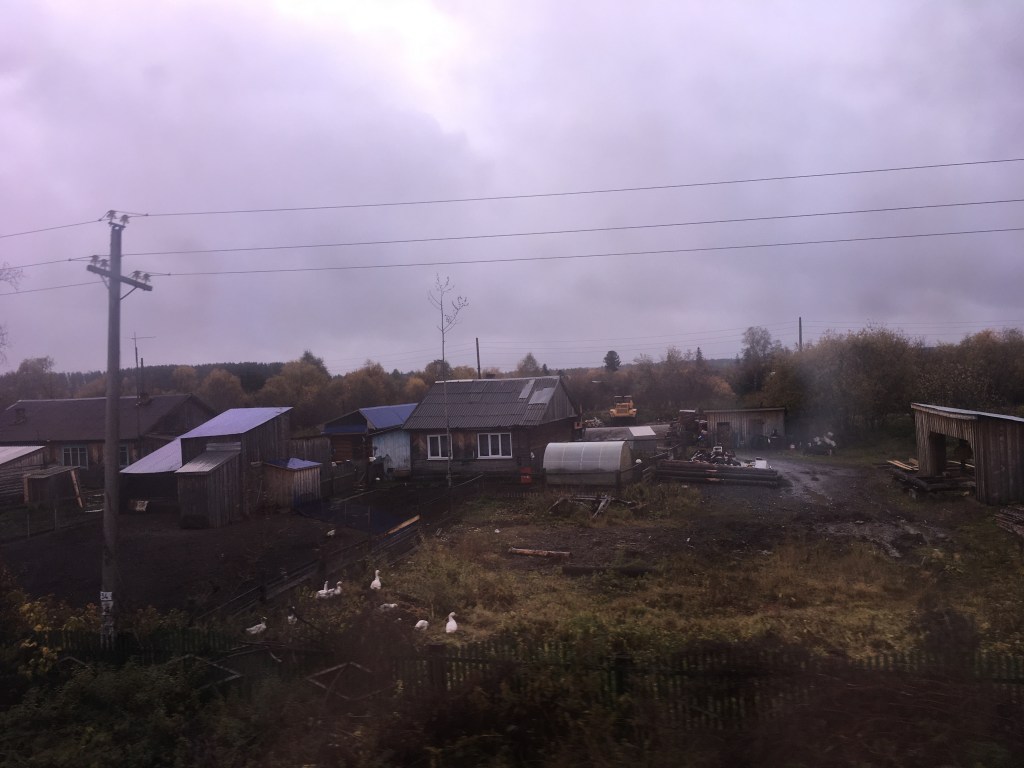
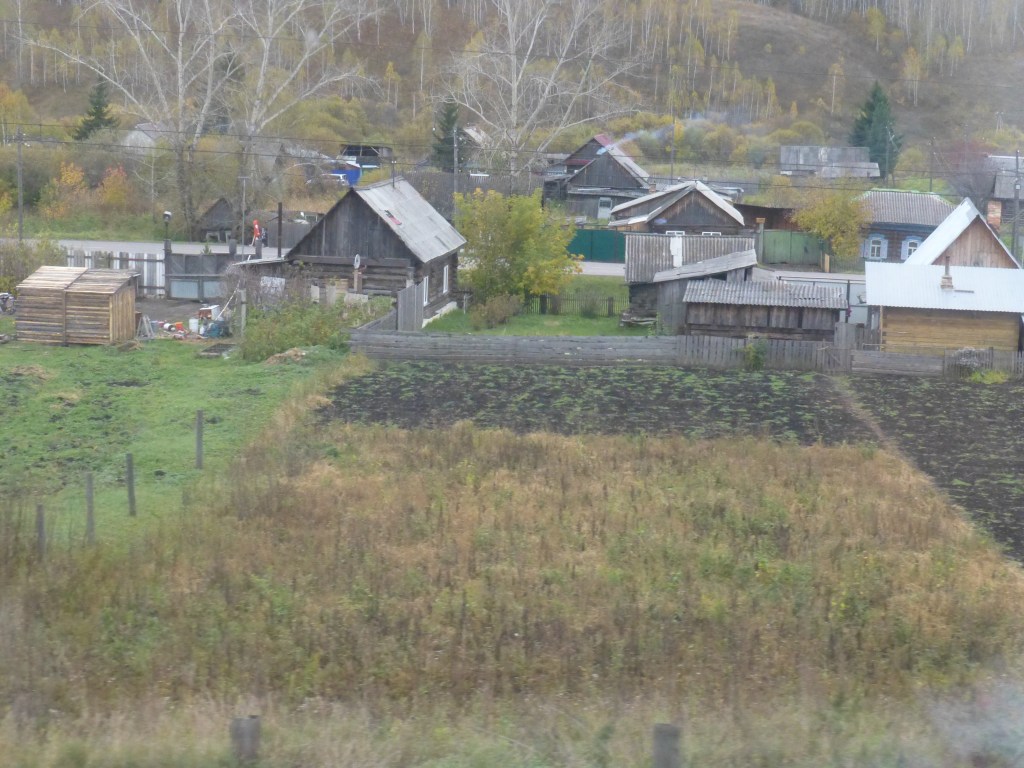
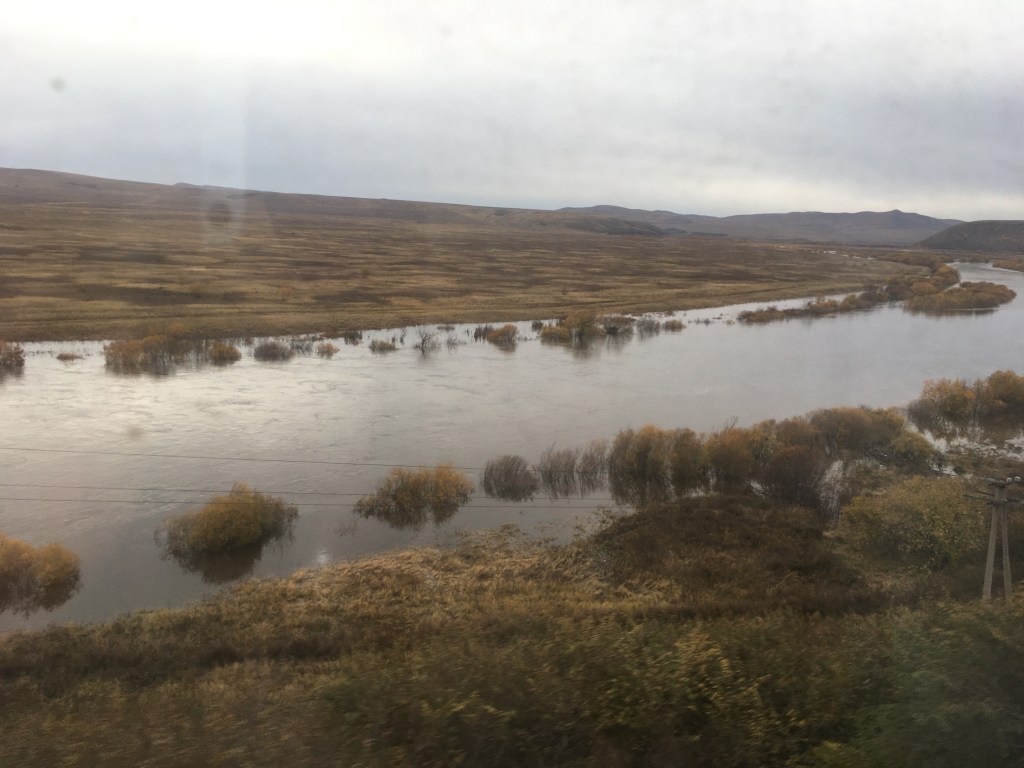
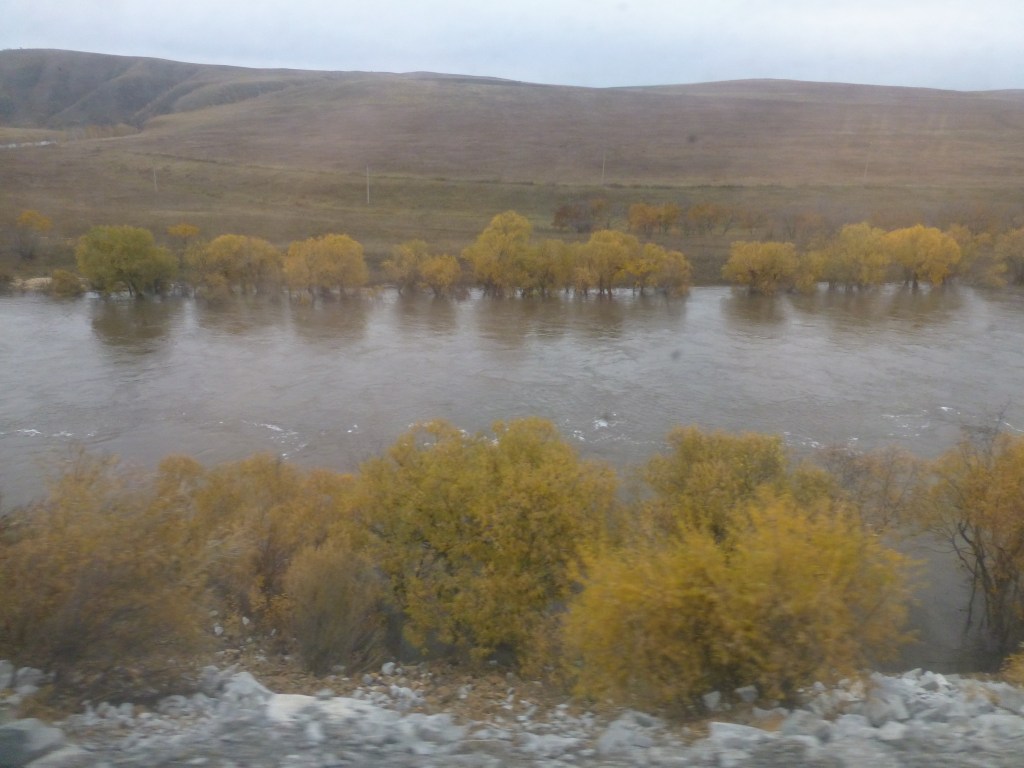
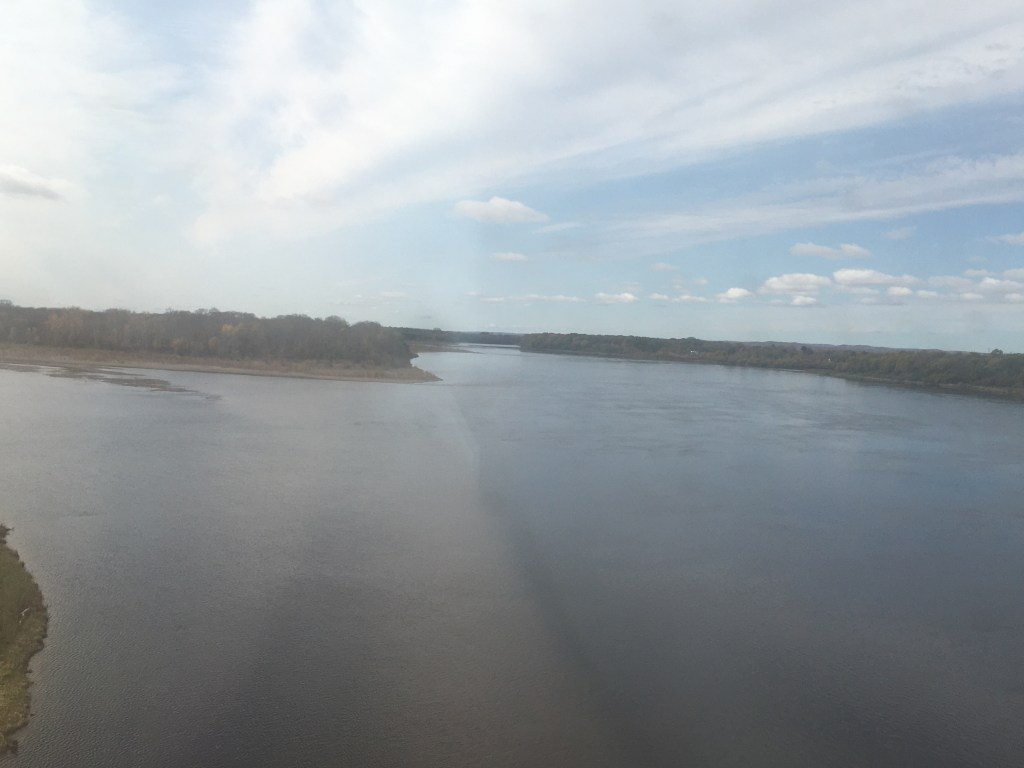
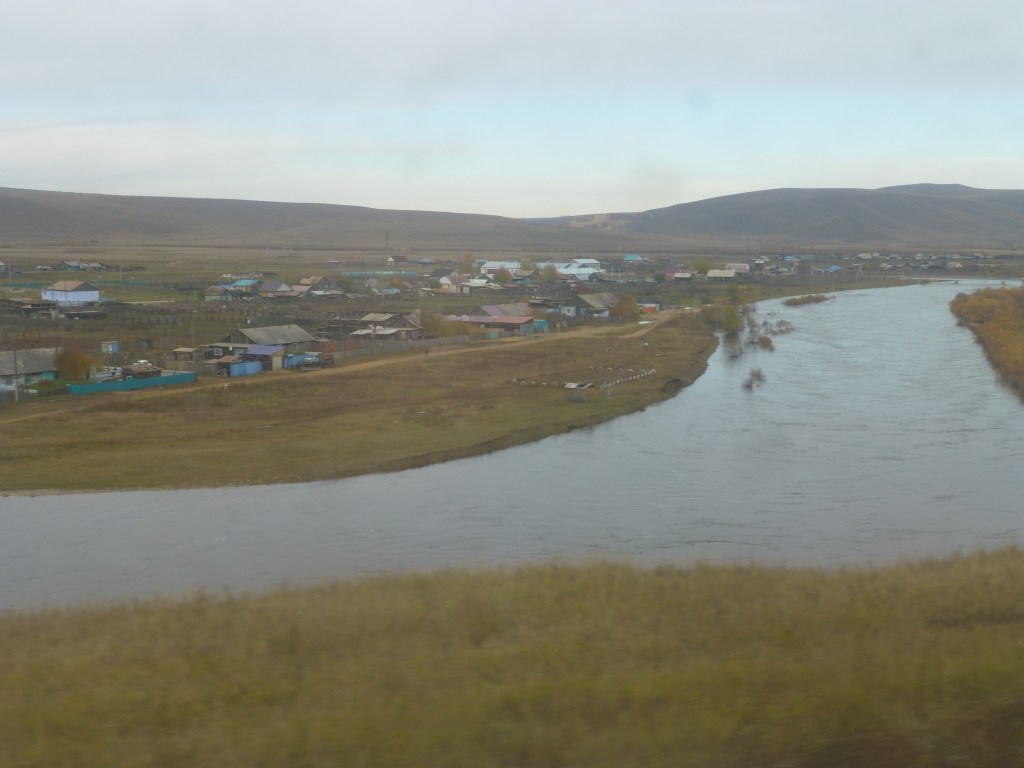
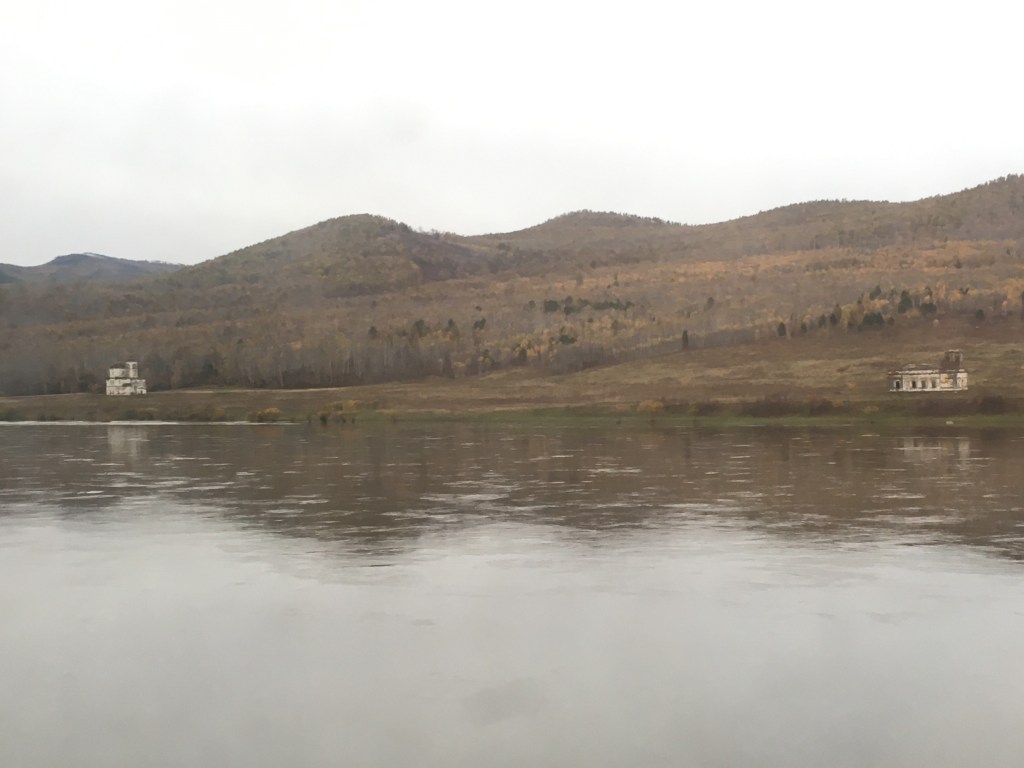
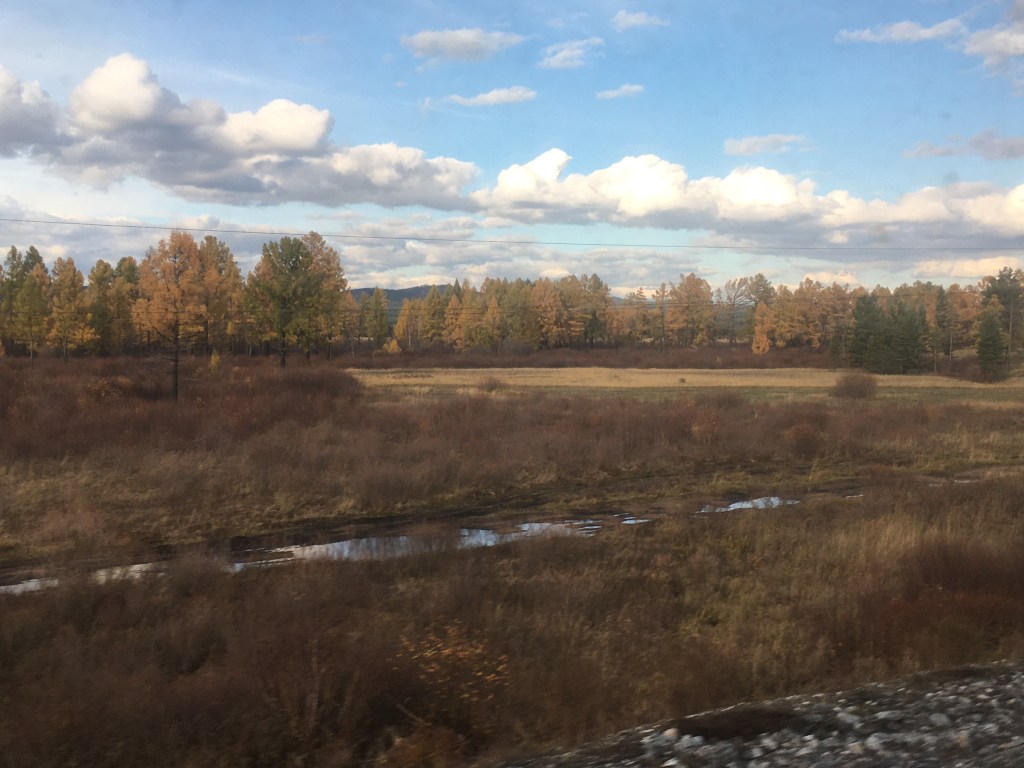
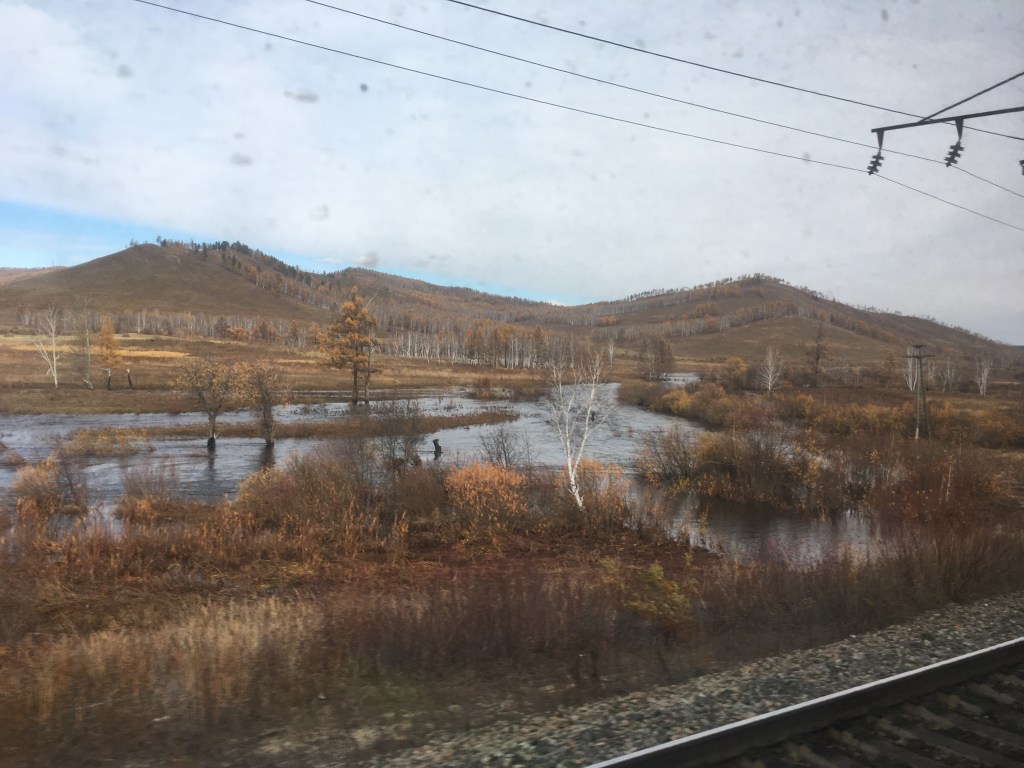
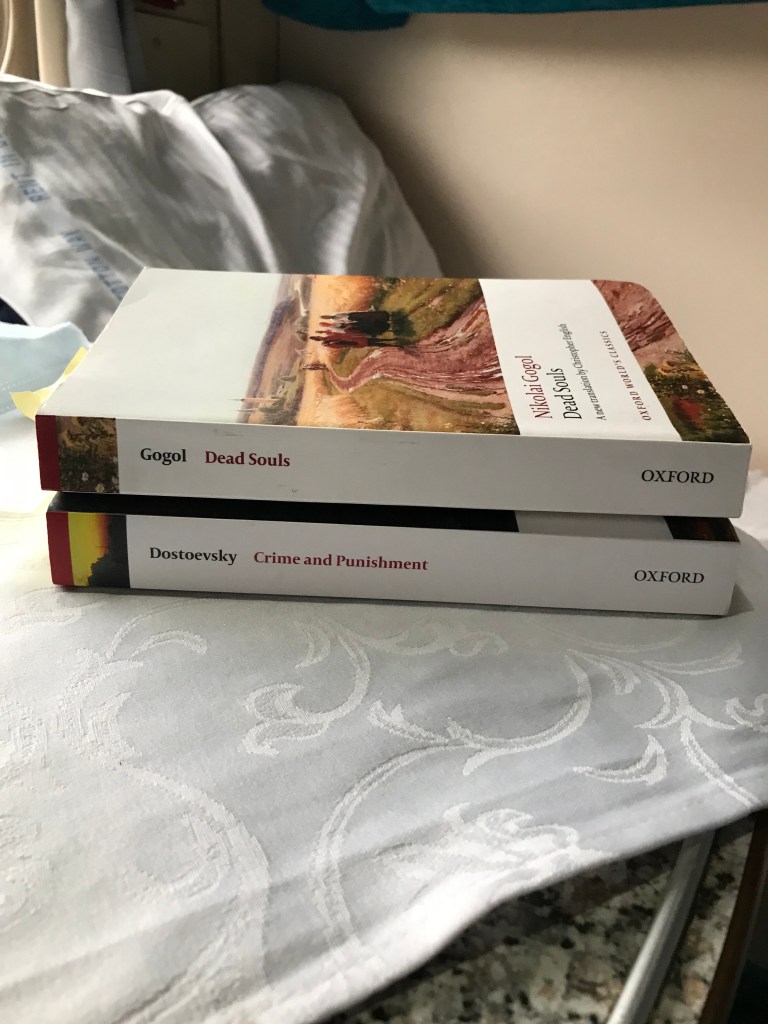
Sitting on a train for two days would be an excellent opportunity for lots of reading you would think. Maybe some Tolstoy or Chekov but I was mesmerised by the passing, and unchanging, scenery (and terrified that I might miss something!!) so mostly sat staring out the window (listening sometimes to a pod-cast or music but often not). I did manage to start and finish Dead Souls by Gogol during our two week trip but mostly after it had got dark and I couldn’t see out the window.
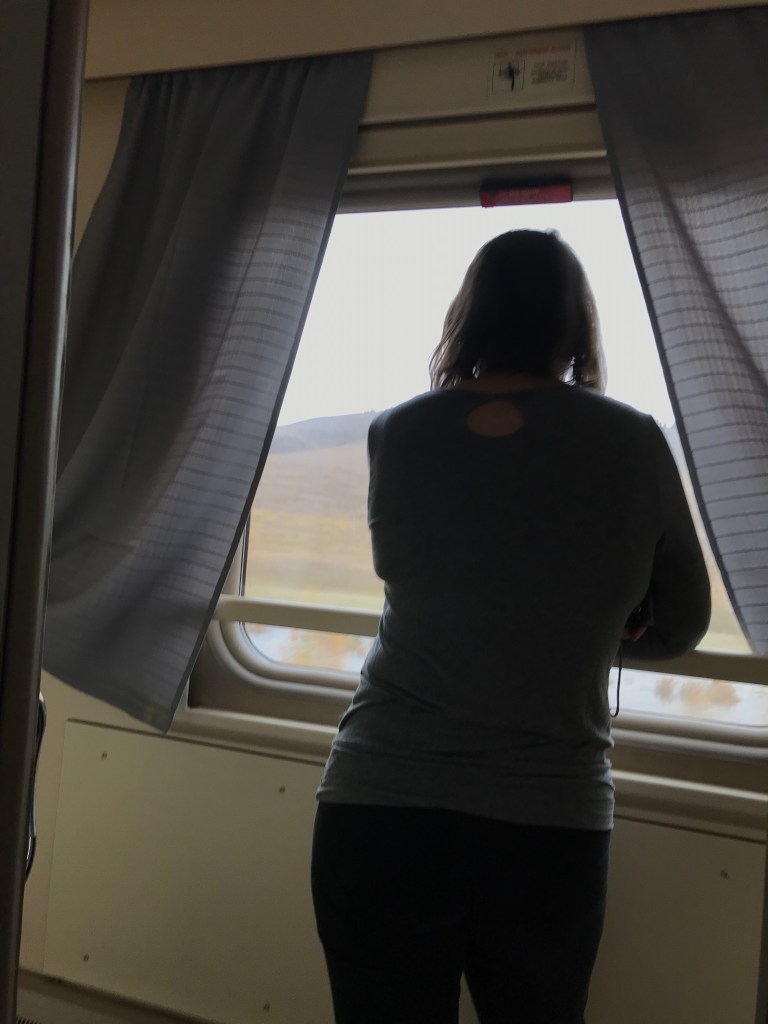
Back on board our train the two days passed remarkably quickly and before we knew it we were arriving in Khabarovsk on the banks of the Amur river.
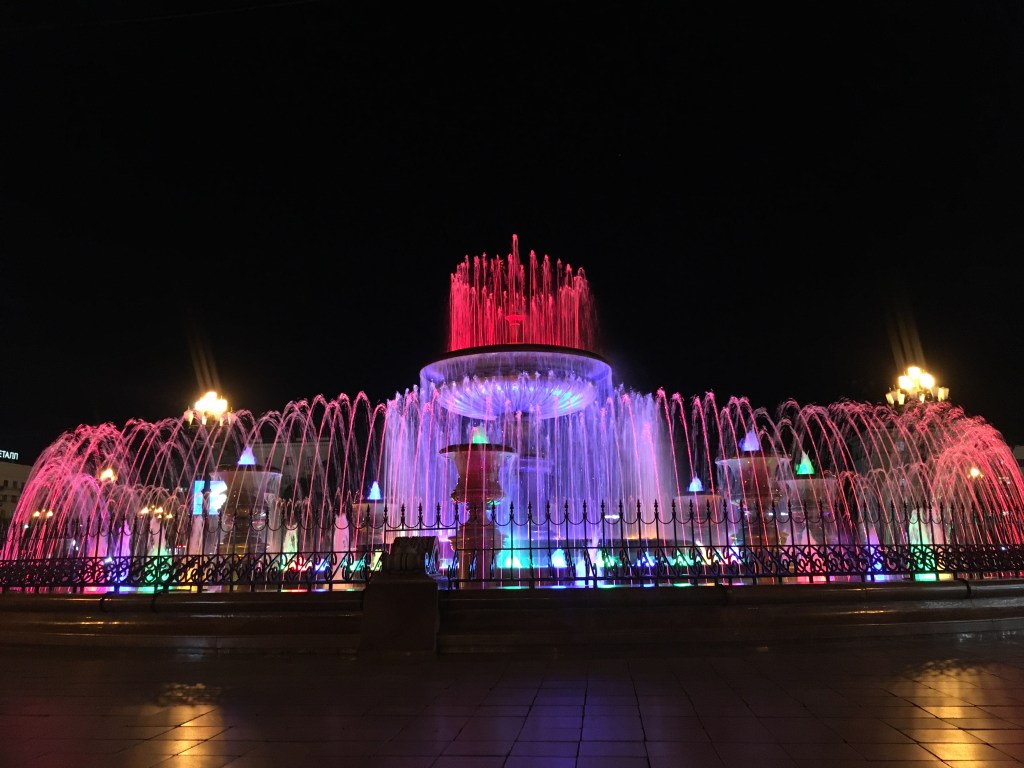
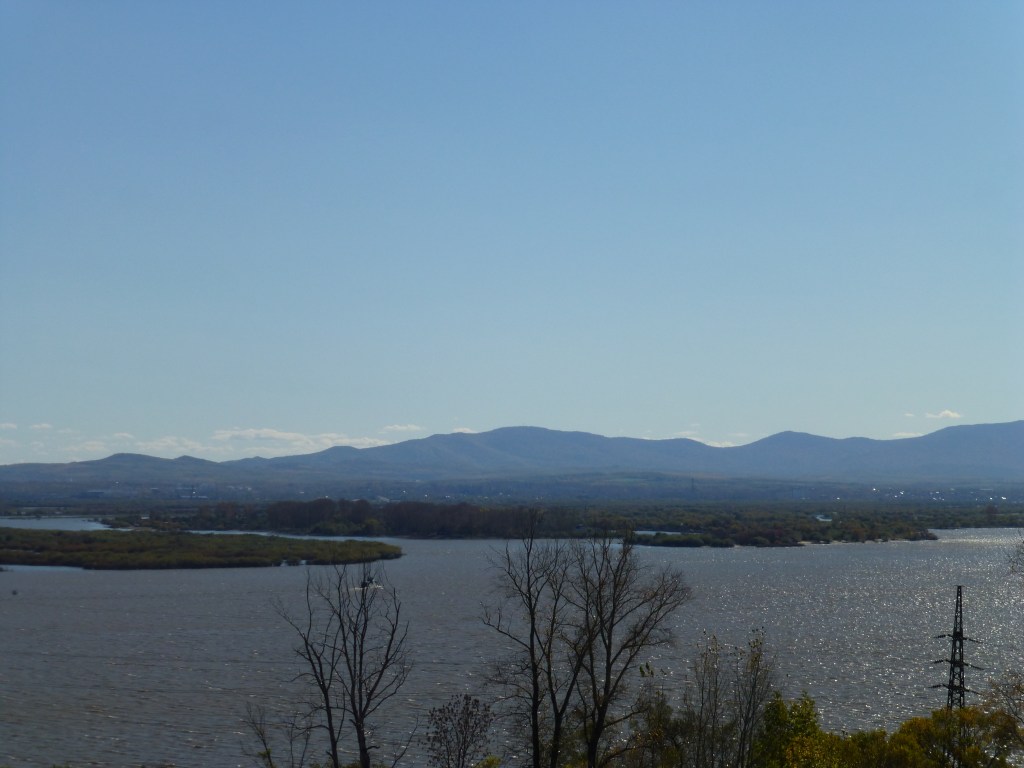
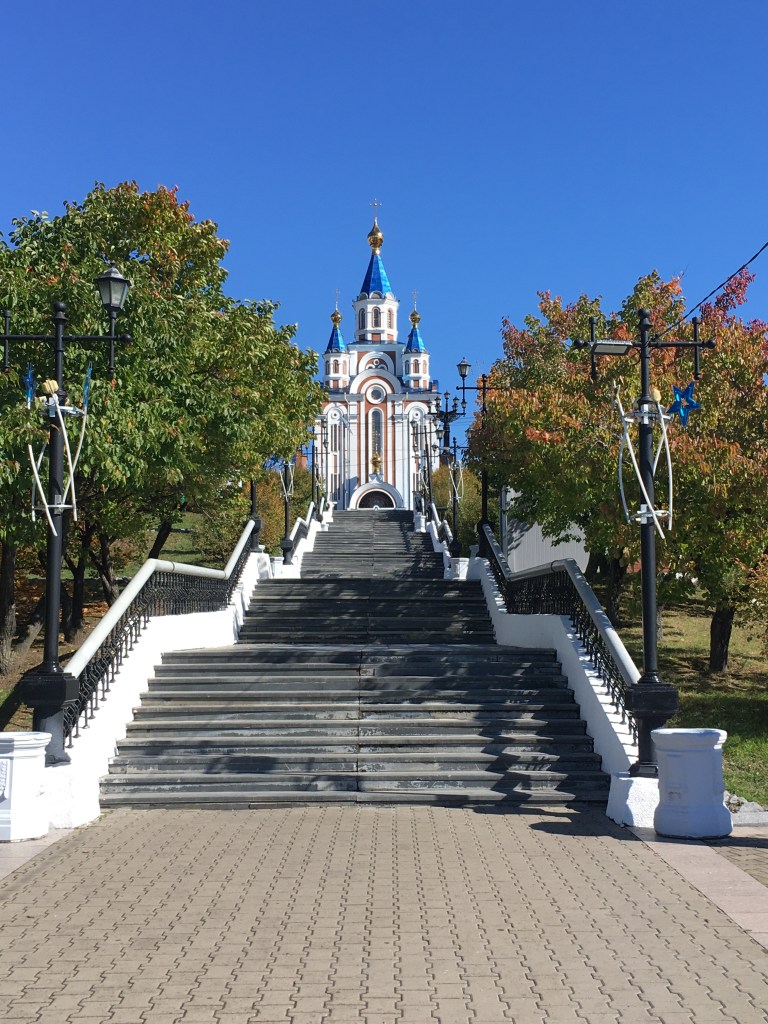
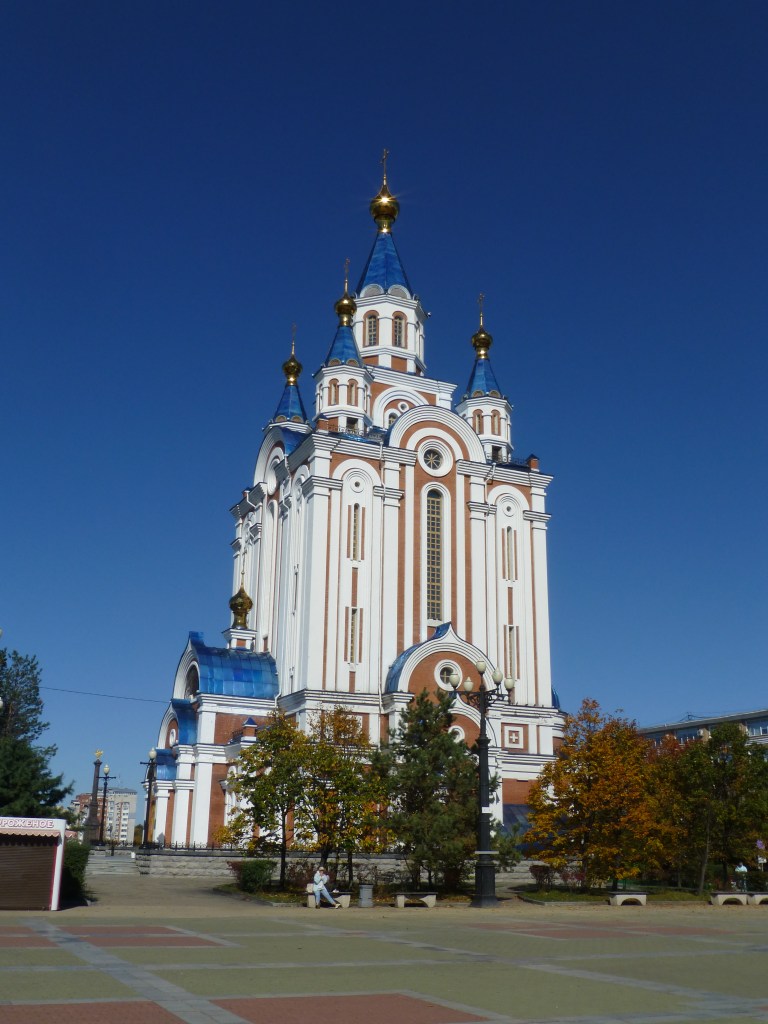
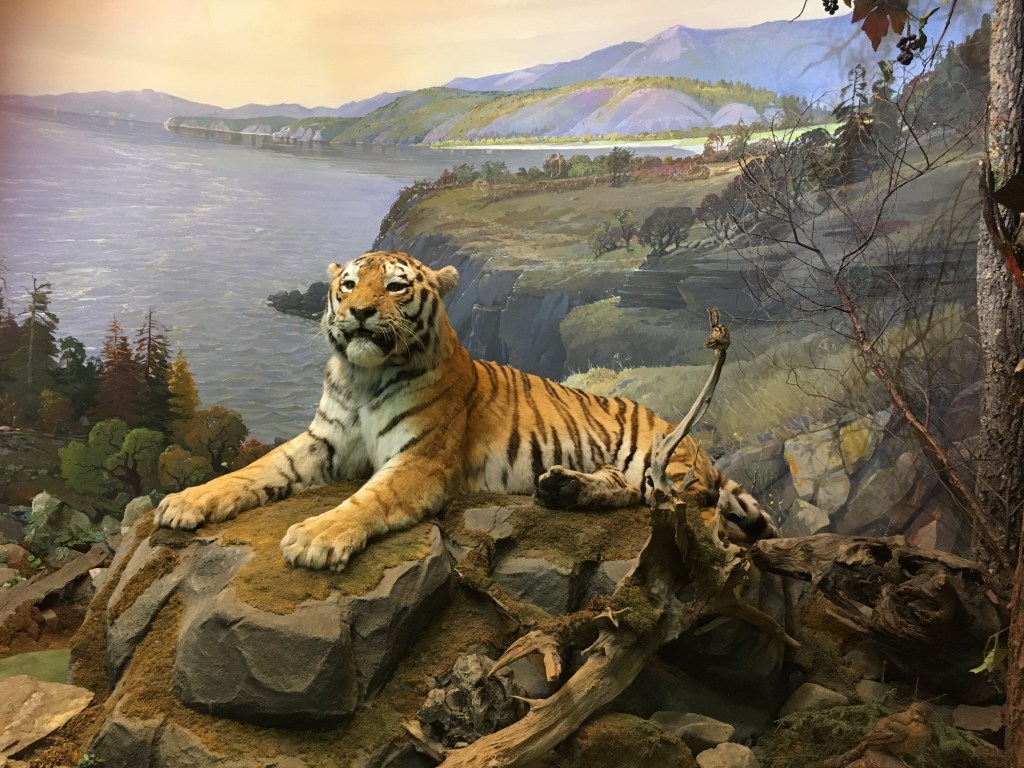
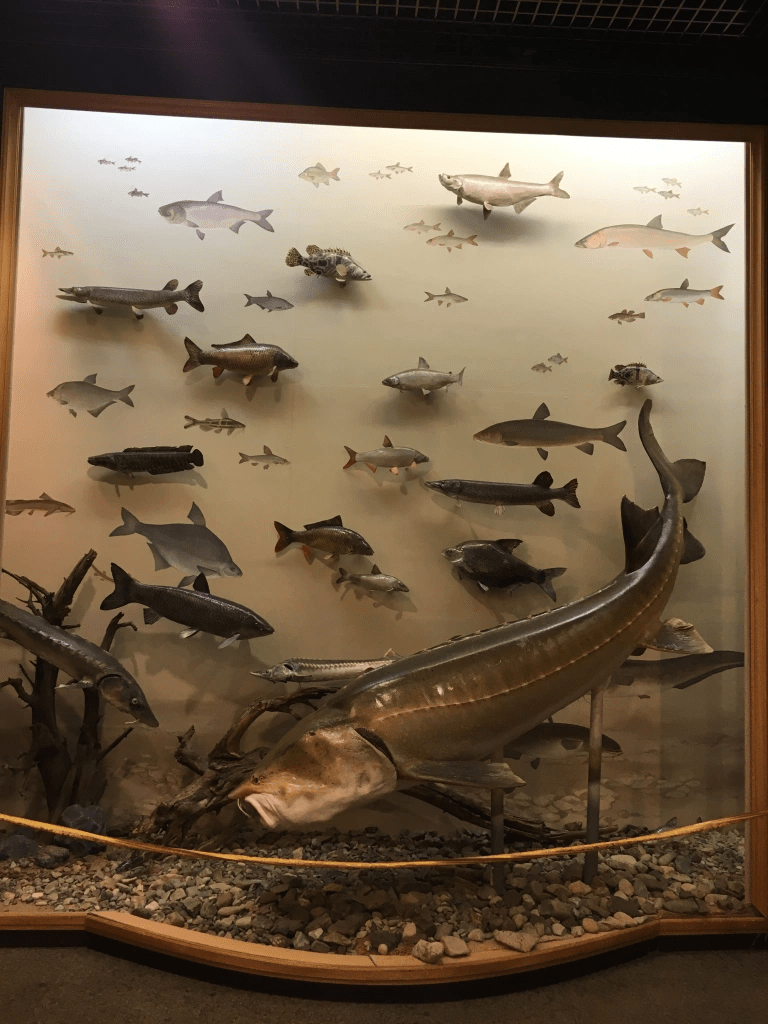
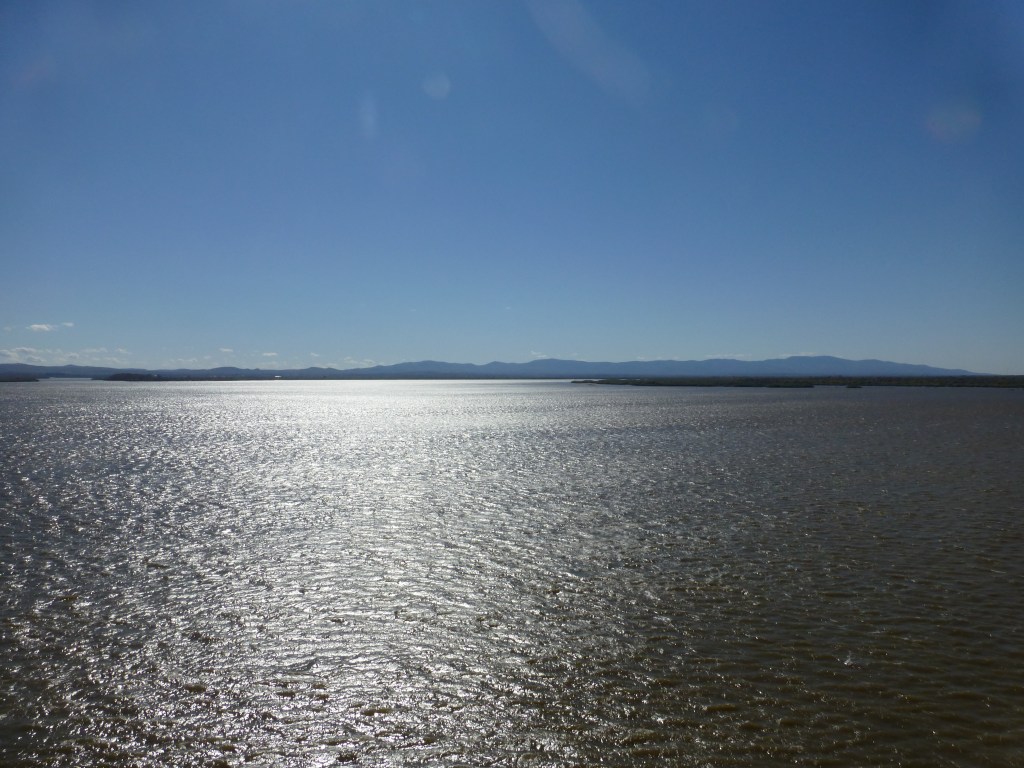
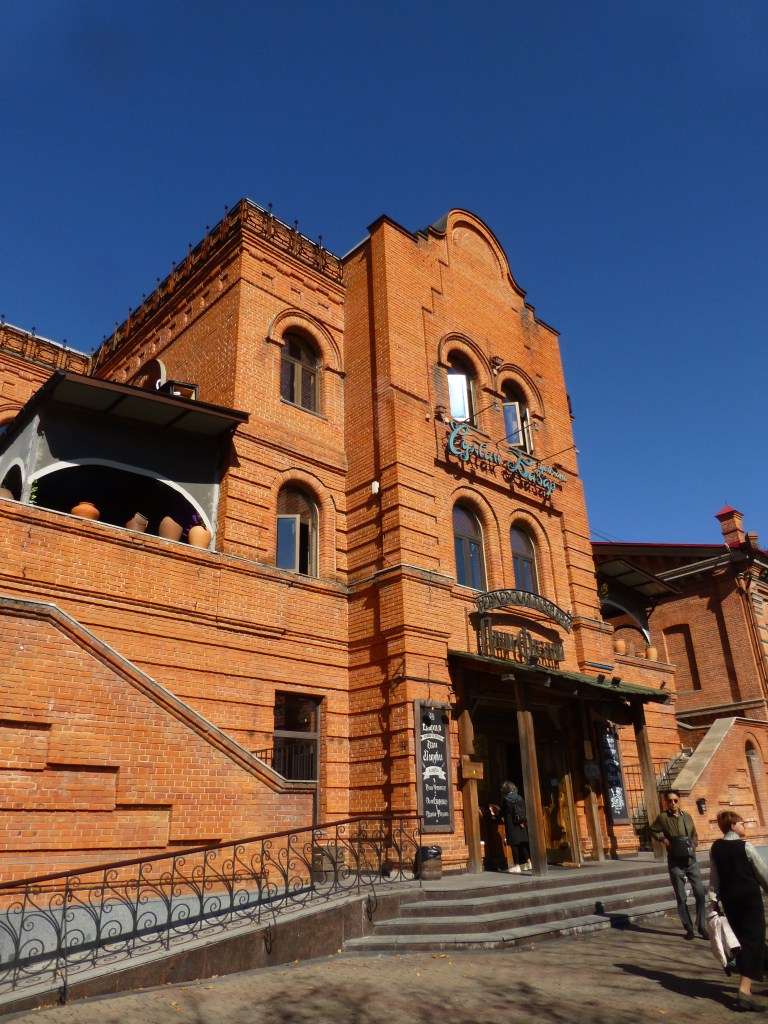
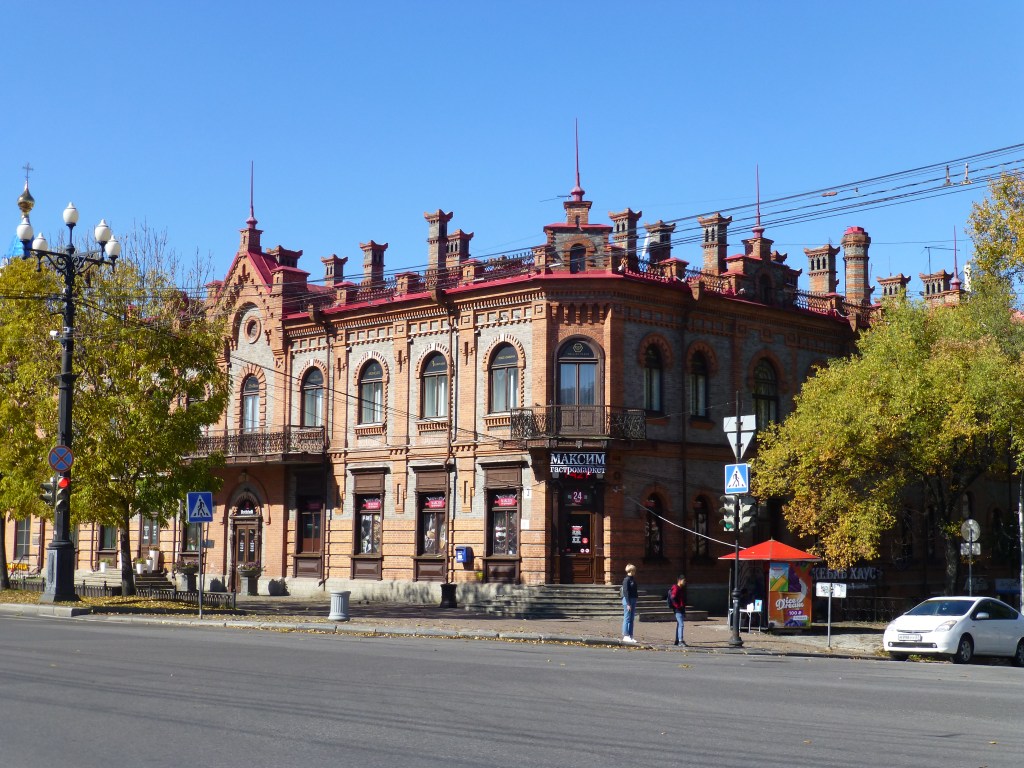
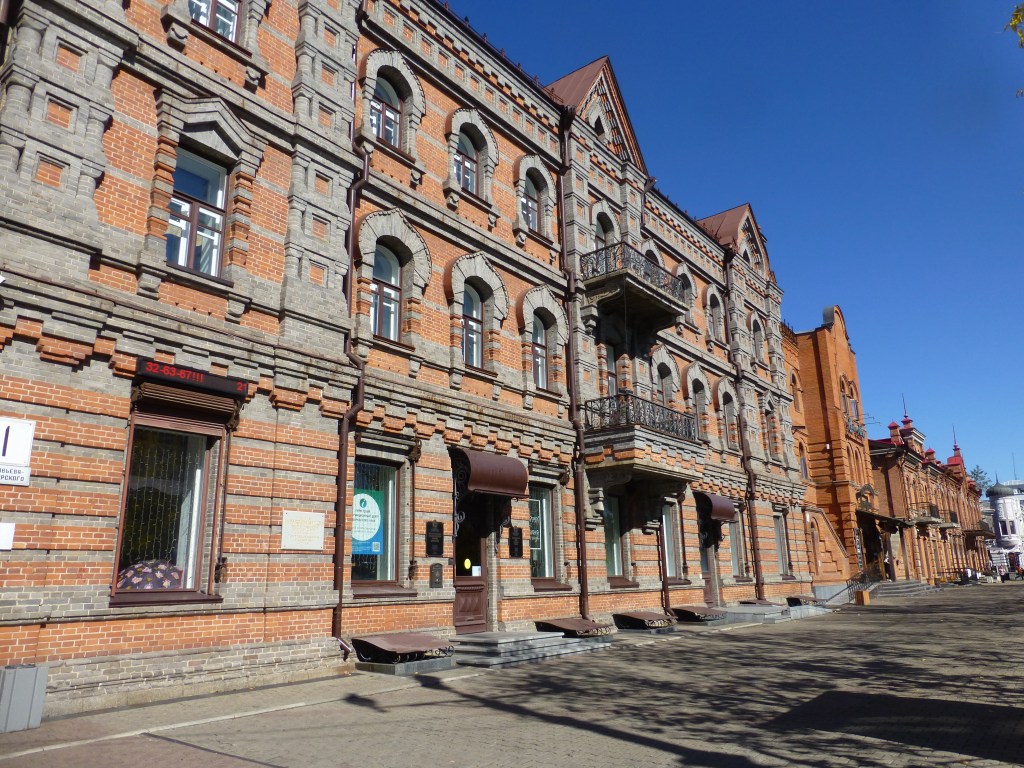
The Amur is the world’s tenth longest river and forms the boarder between the Russian far-east and China. The river contains many fish including the kaluga (large sturgeon) which can reach 5.6 meters long (18 feet)! The area around the river is home to the Amur tiger and the Amur leopard. We spent just one night in the city in a private room at the very excellent and very cheap кают-компания. According to our guide book the main activity in Khabarovsk is walking; and it wasn’t wrong. We were lucky with the weather and spent a lovely day walking through the town and in the riverside park plus visiting the interesting Regional Museum. Standing on the banks of the Amur we could see China in the distance.
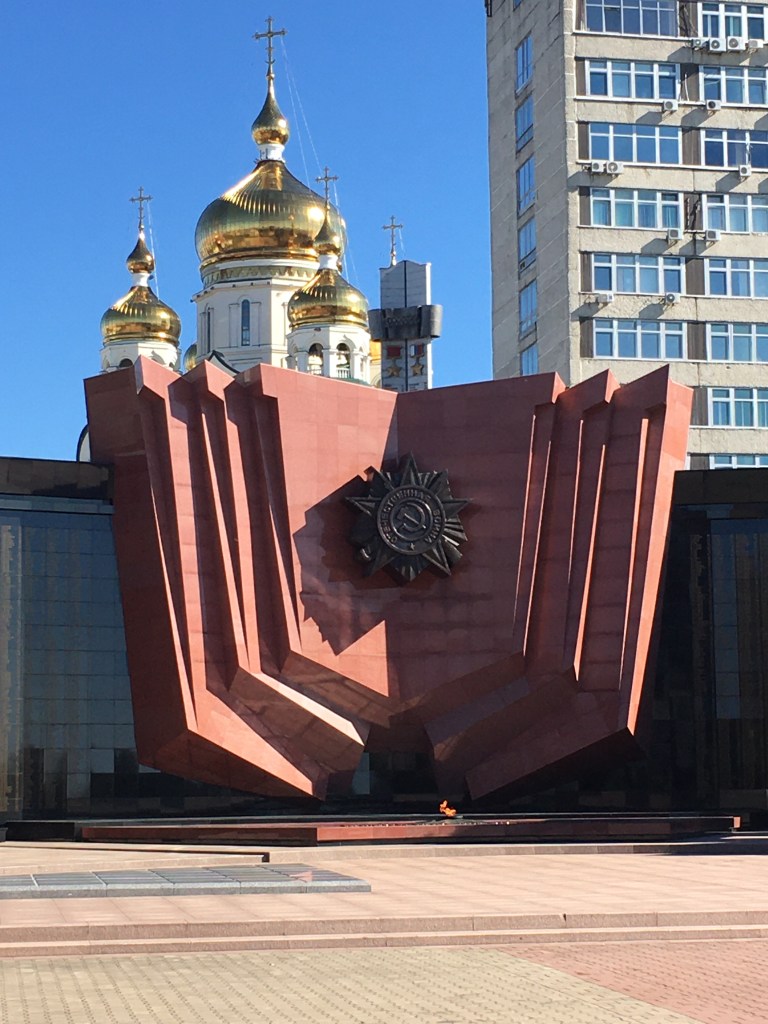
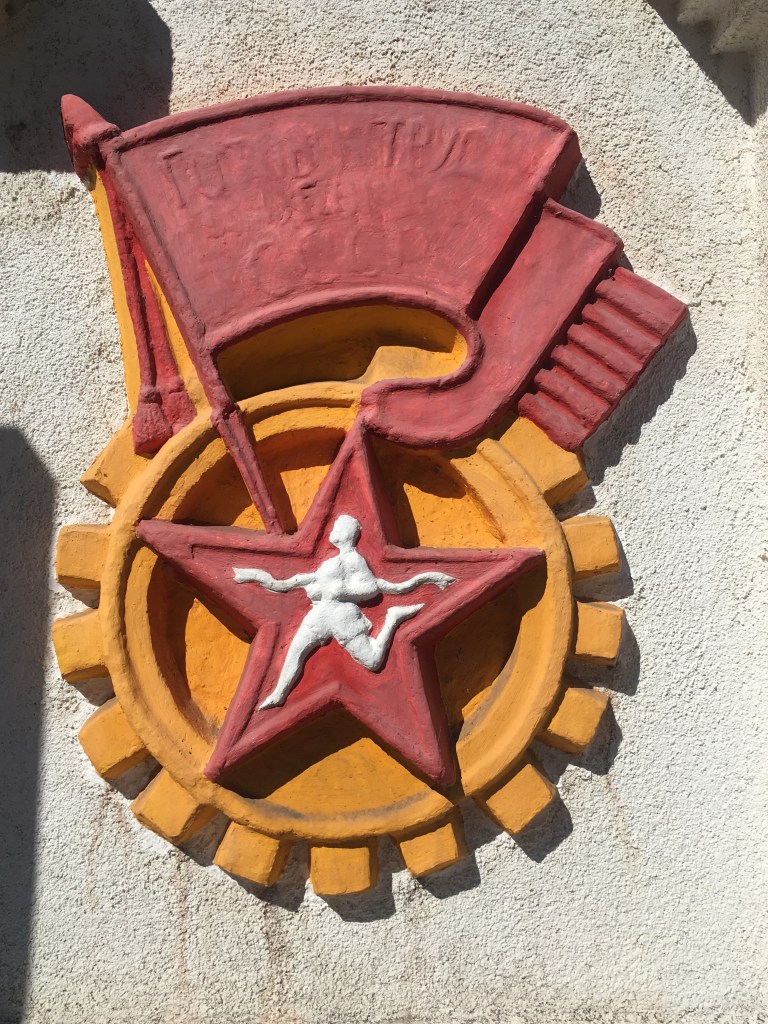
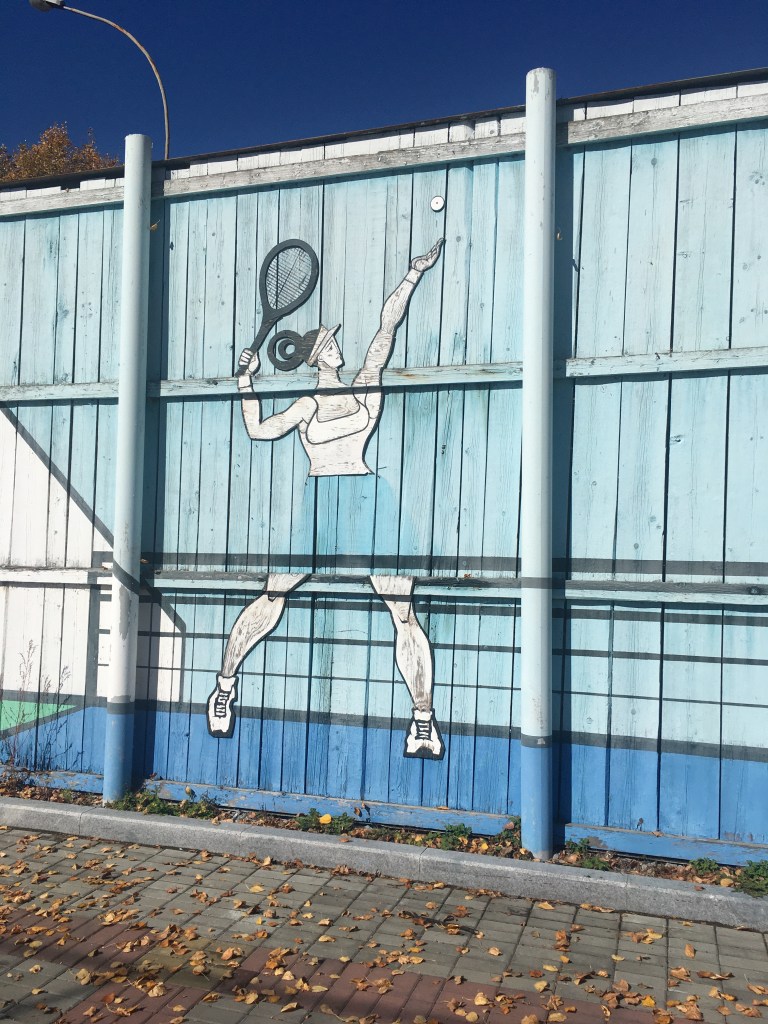
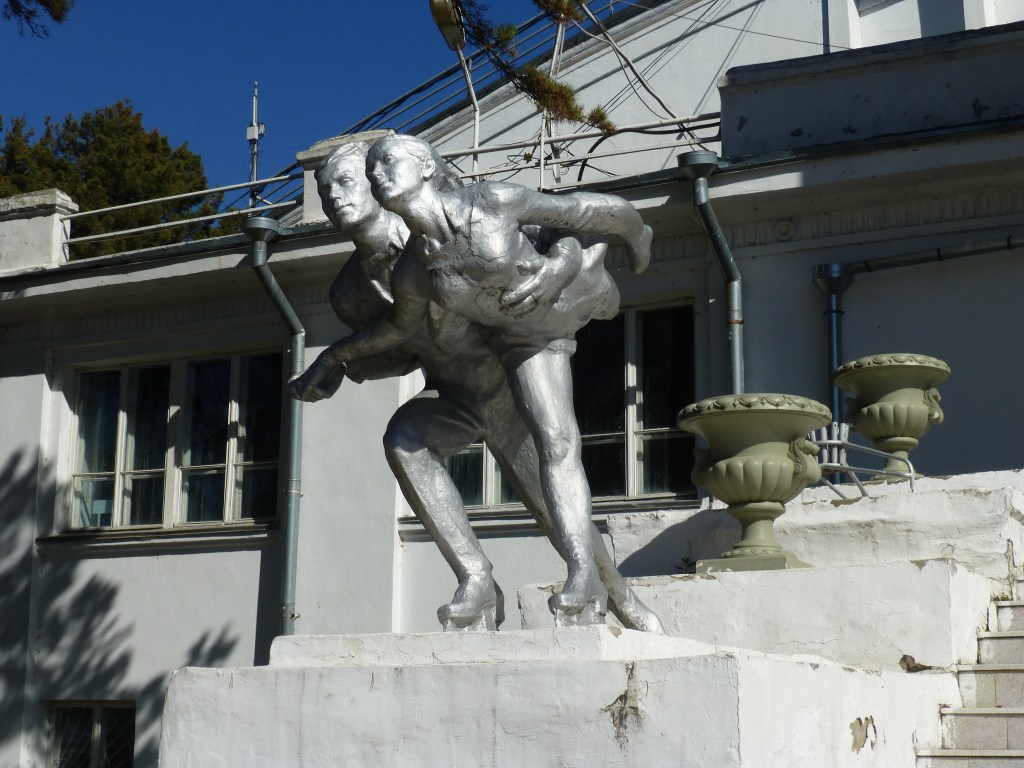
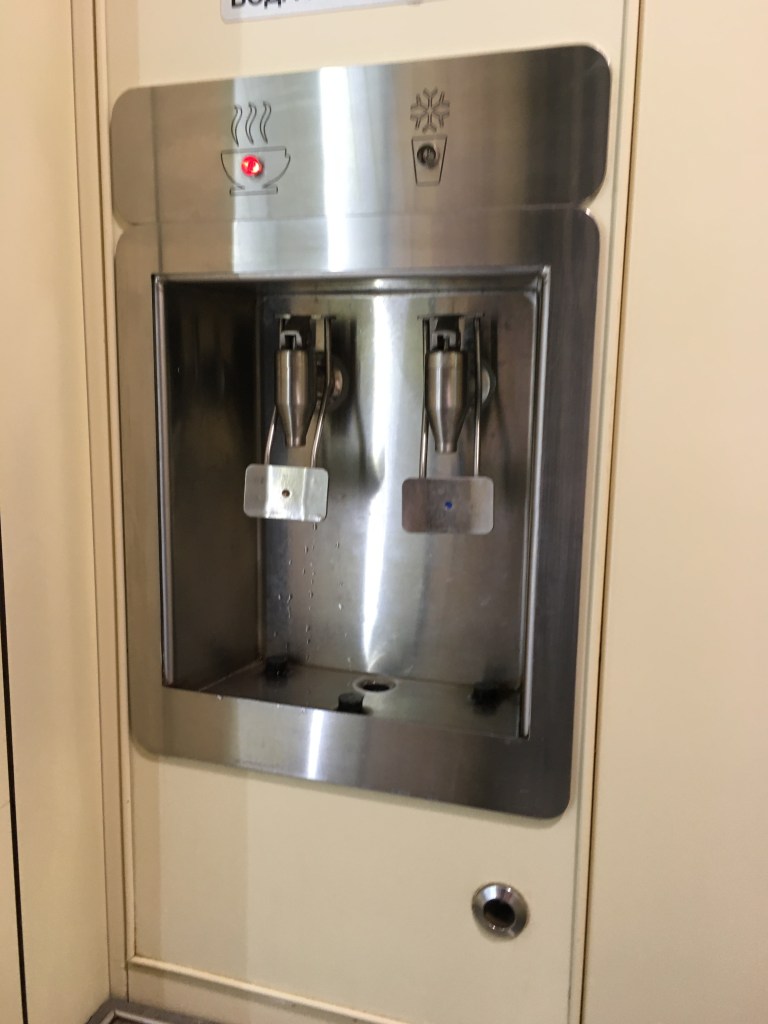
Finally it was time for our last overnight train ride to the end of the line in Vladivostok just a short 10 hours away. We were on train No.2 the “Rossiya” which is commonly felt to be THE trans-siberian train. It has recently been completely refurbished and upgraded so that all the information boards were digital and touch screen, the loos were amazingly shiny and clean and there was an excellent shower cubicle (which I didn’t use). But sadly the traditional samovar at the end of each carriage had been replaced with a modern hot and cold water dispenser. The only thing it didn’t have was a 1st class, 2-berth cabin. It did, however, unknown to us, come with an included meal – remember those from back at the beginning. Being a 2nd class cabin, one obviously gets a 2nd class meal that would be inferior to the first class meal we got at the beginning of our journey! However nothing had prepared us for the wurst sausage, boiled potato and lump of coleslaw served in a polystyrene tray!
We arrived in Vladivostok at 06.00 in the morning, made our way to Hotel Incanto and asked if there was any chance of an early check-in as we had emailed before! The very grumpy lady on duty, who we had obviously woken up, berated us for the early arrival, told us to “stay there”, then disappeared for 15 minutes. When she returned she was like a different person, pleasant and jokey and said our room was now ready! It was a small, old fashioned hotel without breakfast but in a perfect central location. Being unusually organised we had booked a city tour in advance with Sergei from Explore Primorye. I am so glad that we did as some of the sights are quite far apart and would have been hard to do on our own. Sergei was quite a character and had done many things in his life including being part of the team that helped with wildlife filming for the David Attenborough Netflix programme.
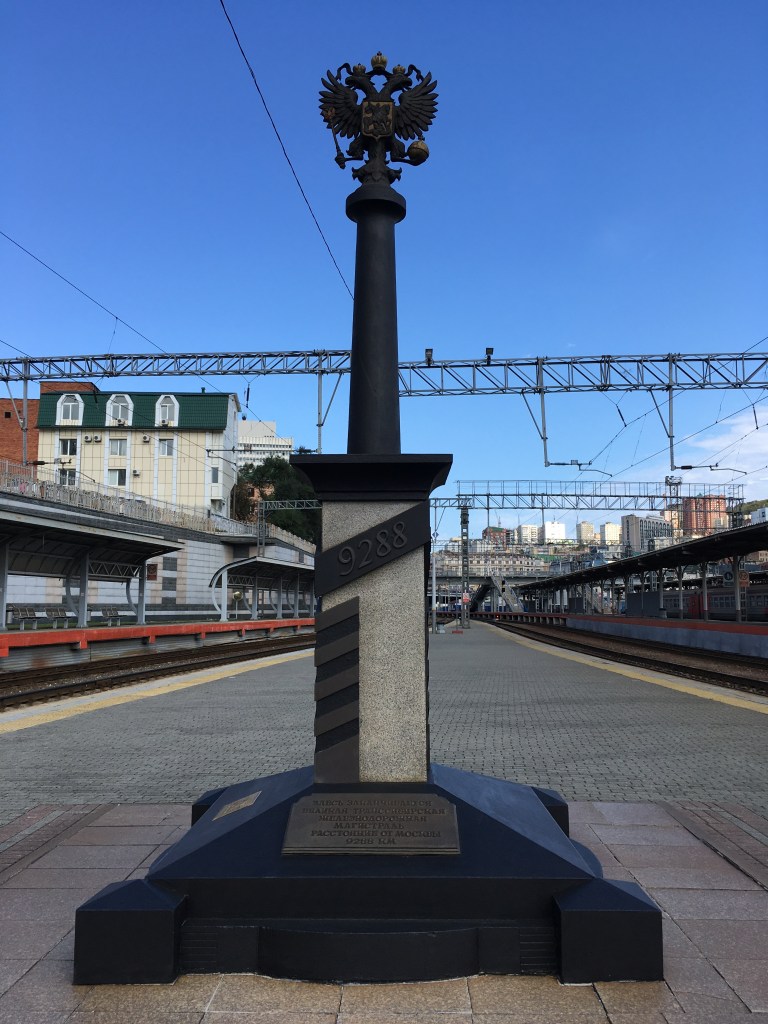
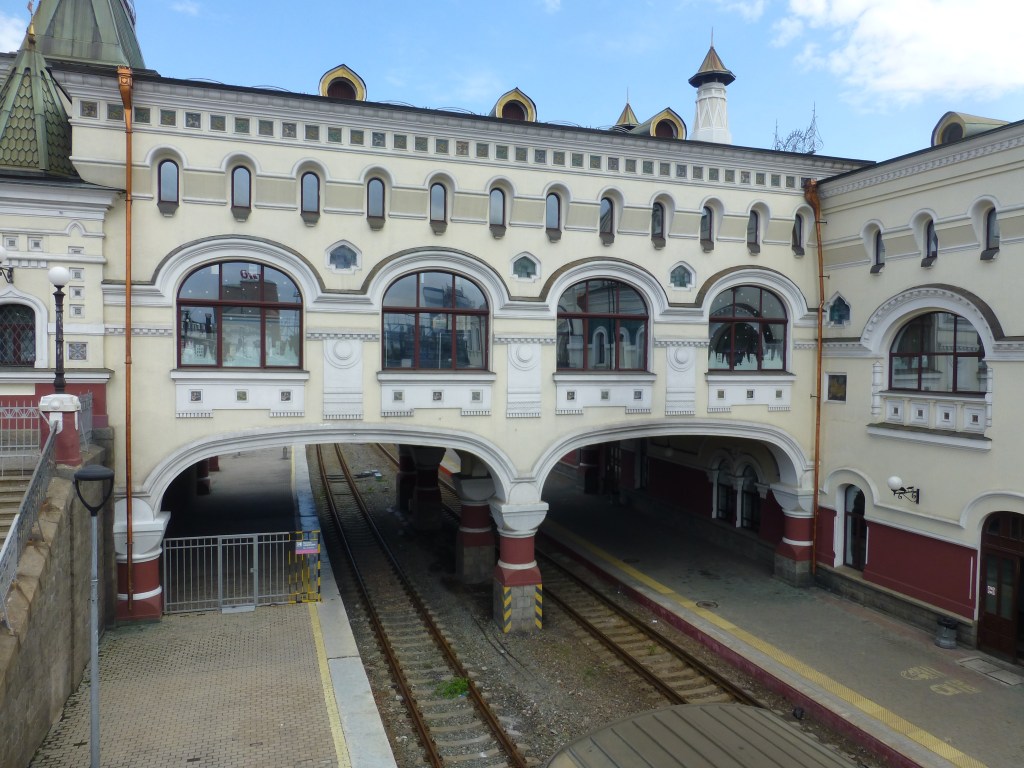
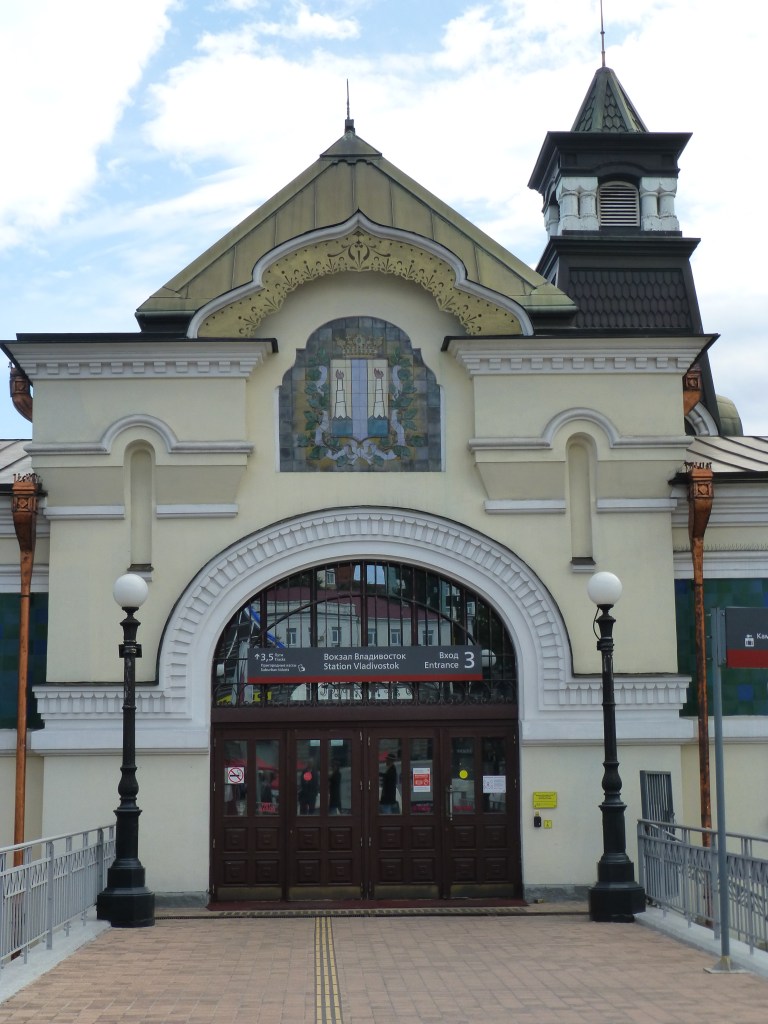
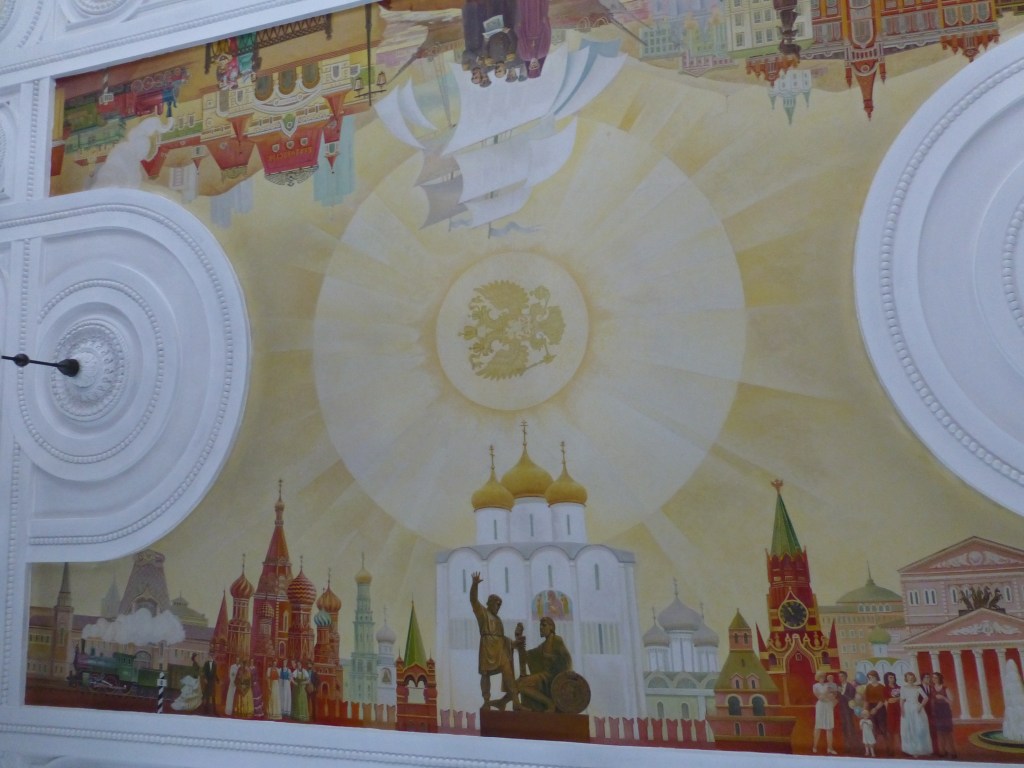
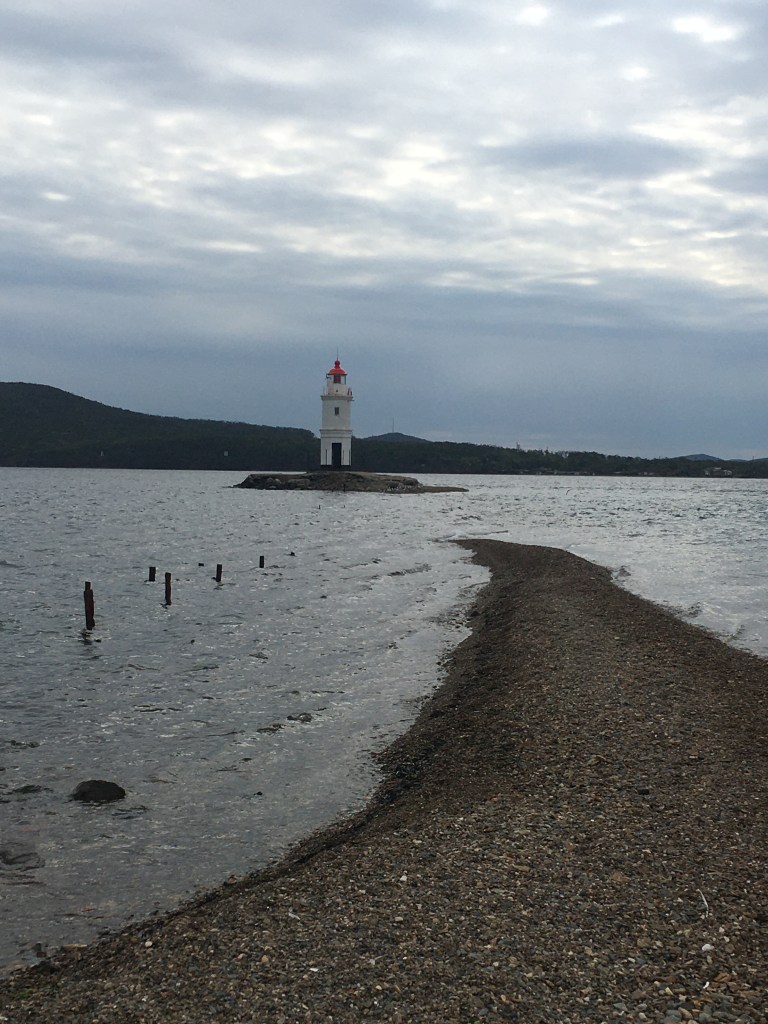
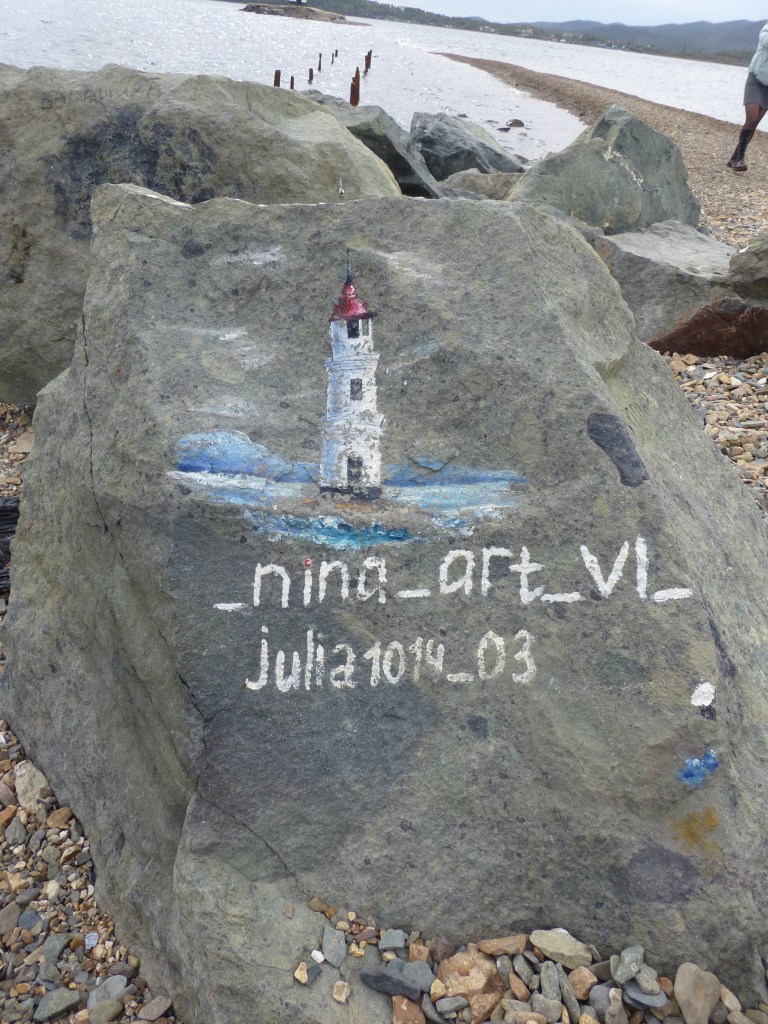
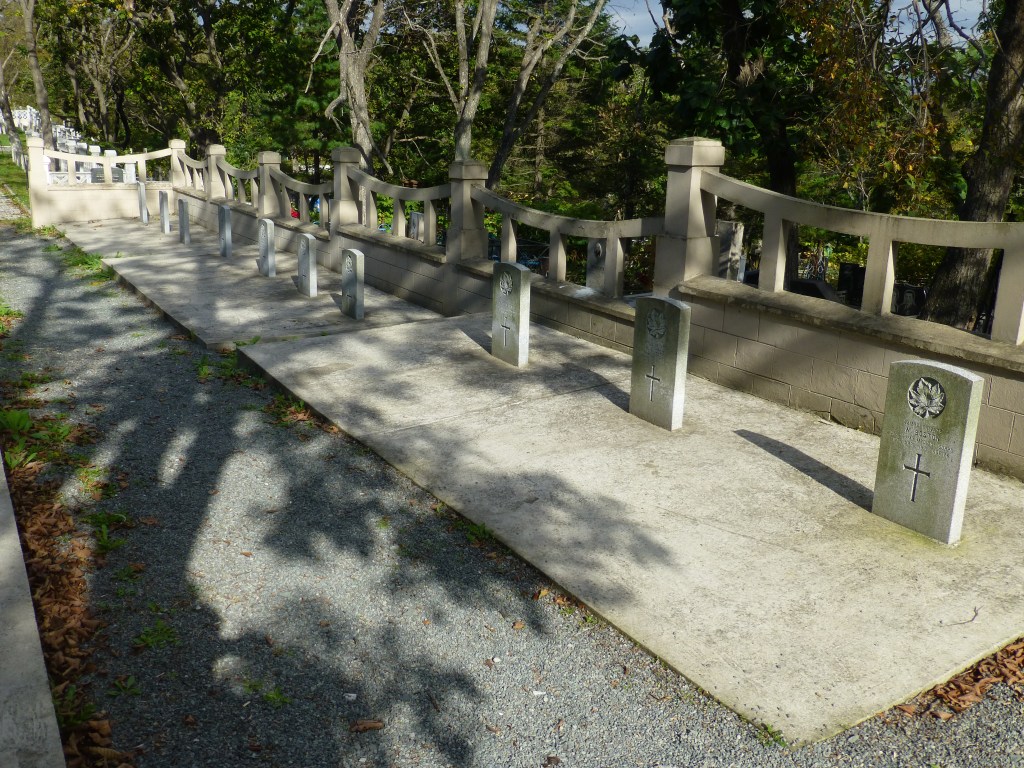
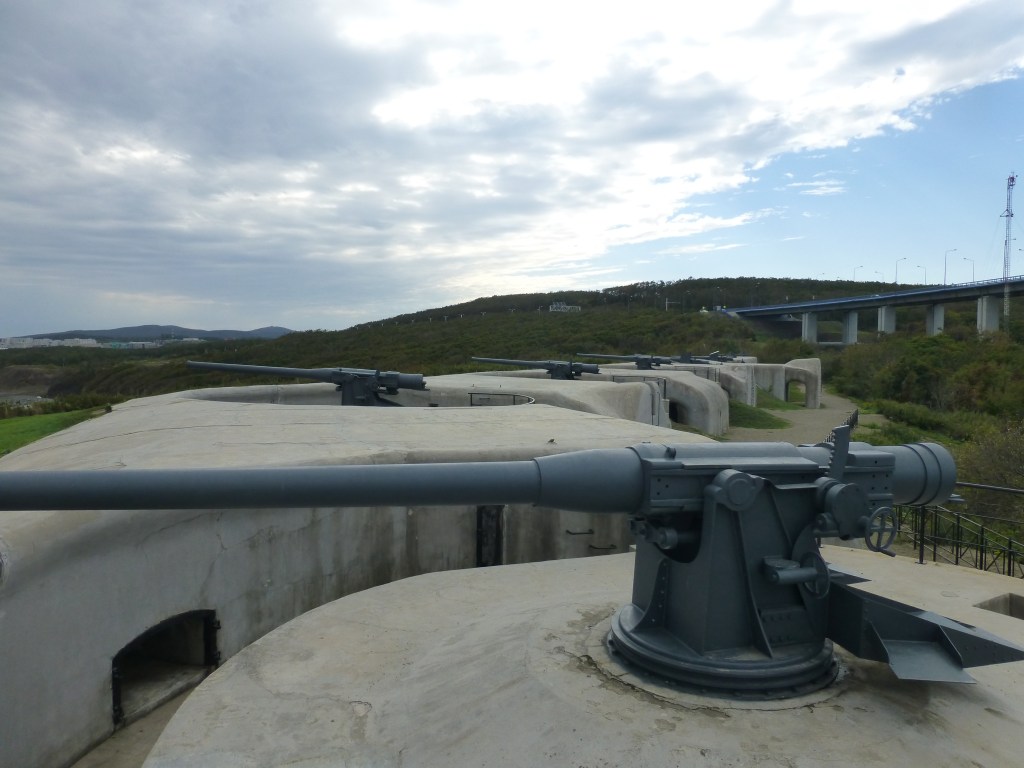
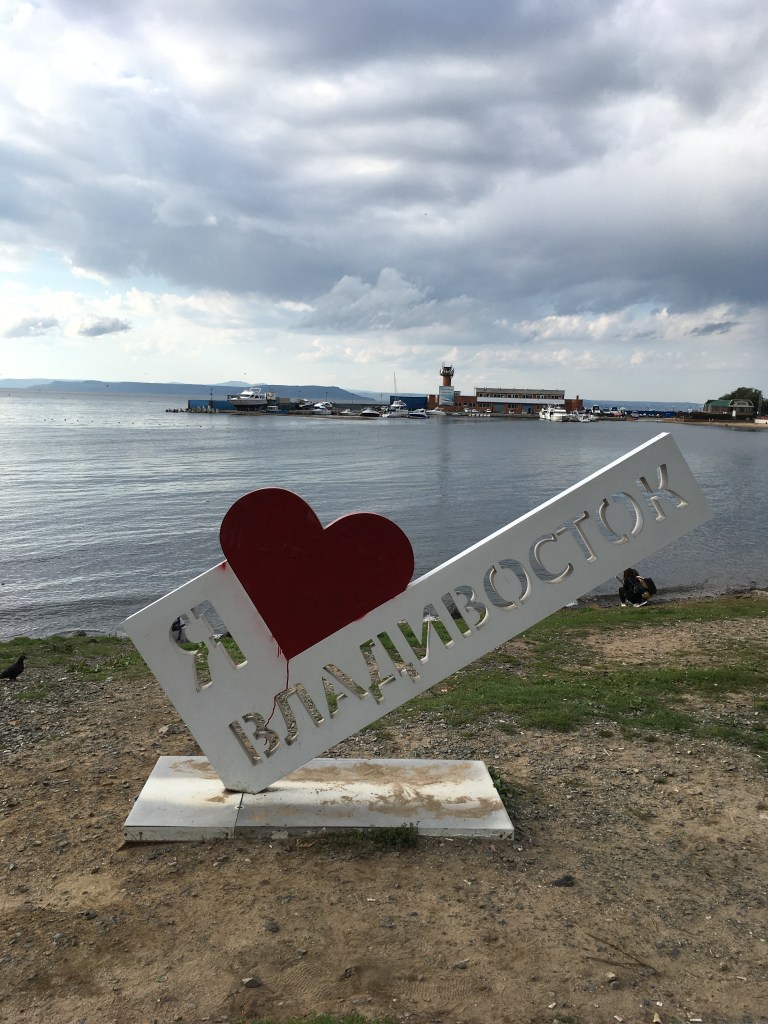
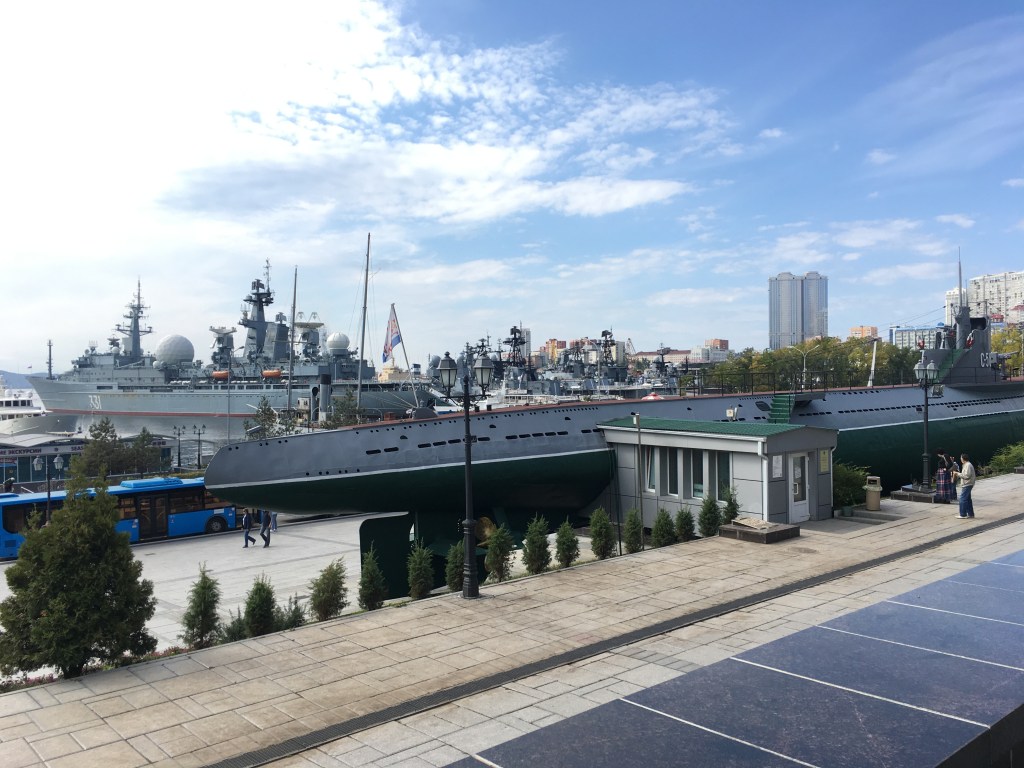
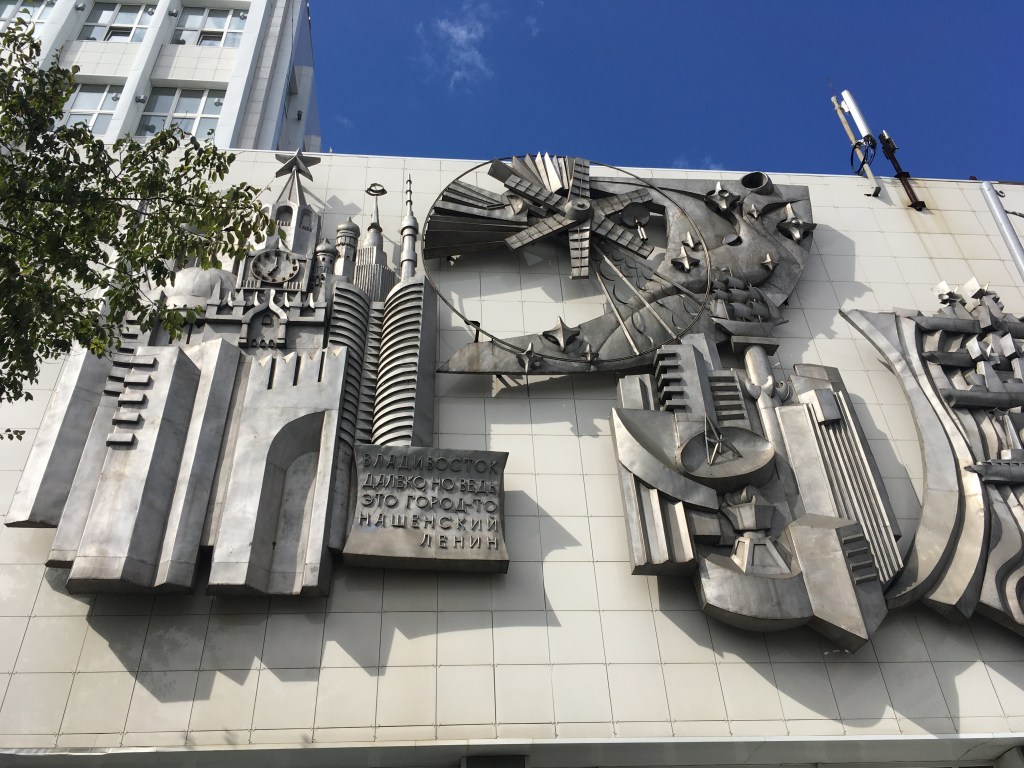
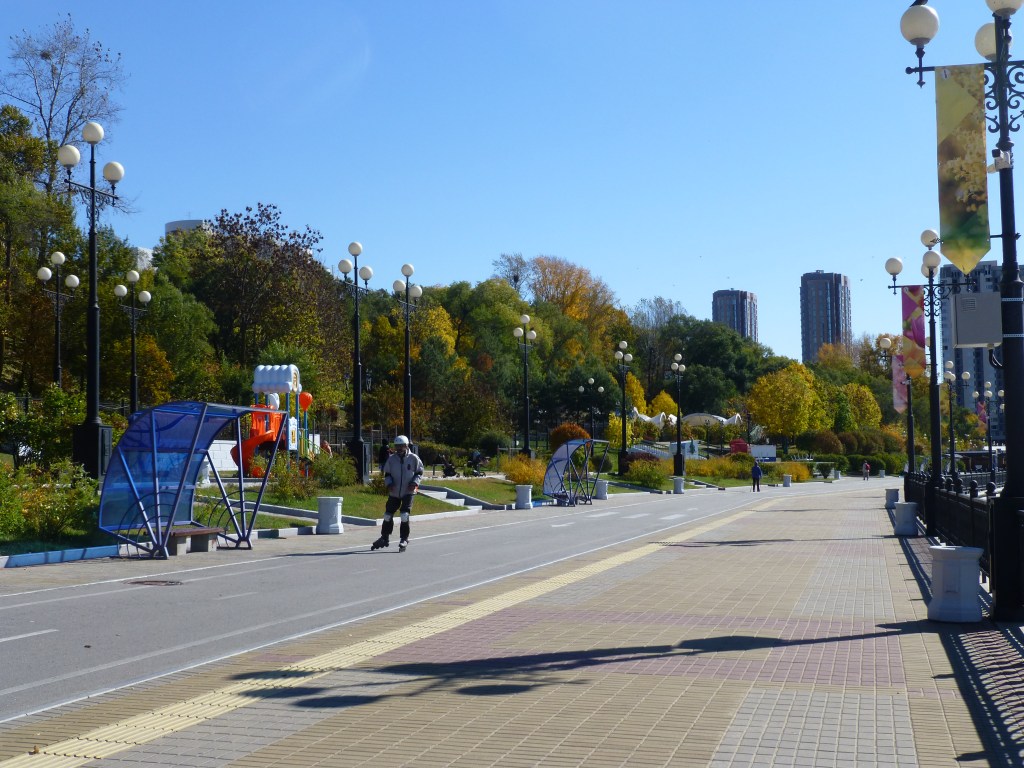
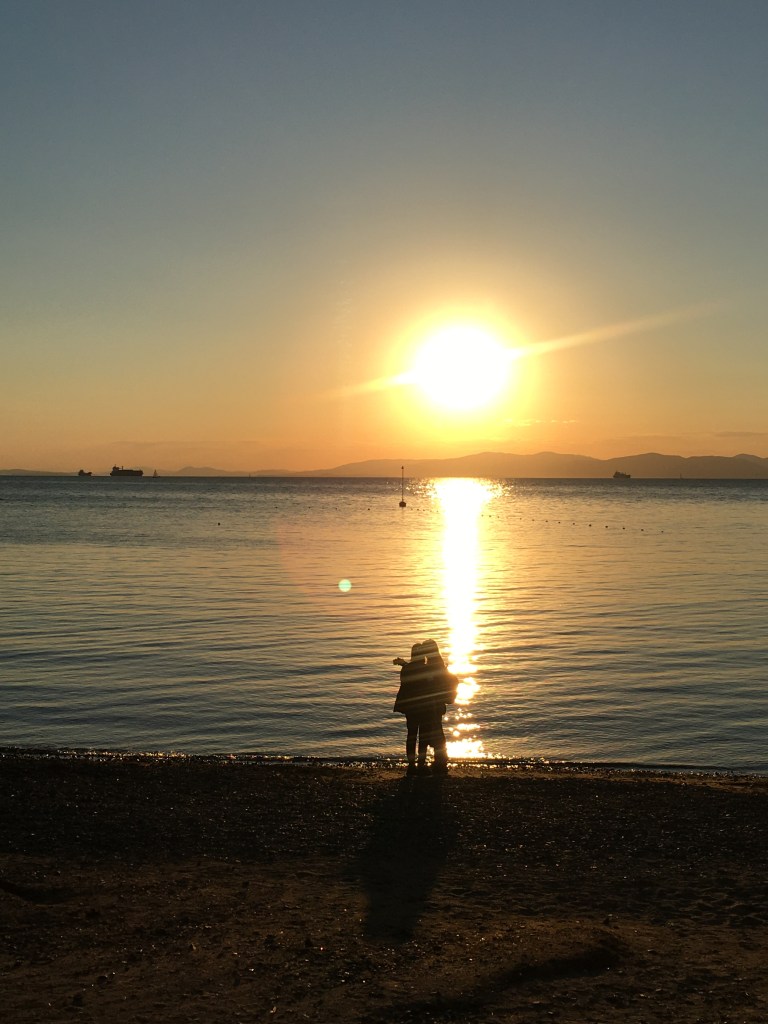
Vladivostok has a completely different feel to it than any other Russian city that I have been too. It has a much more laid back relaxed ocean city vibe and is very similar to San Fransisco in many ways. The two cities are almost directly opposite each other, they are both hilly, windy, have very long suspension bridges, have sea fog that hangs over the water hiding the bridges, they even both have prison islands just off the mainland. We spent two days there, the first day on the city tour, and in the evening wandered down to the water front where we promenaded with everyone else before going for an excellent Asian fusion meal. The next day we did a lot of walking around on our own, found a lovely old Lutheran church – one of the oldest buildings in the city, great views of the suspension bridge, took a funicular down to the waterfront and strolled past the Naval dockyard and discovered a large biker convention in the centre of town.
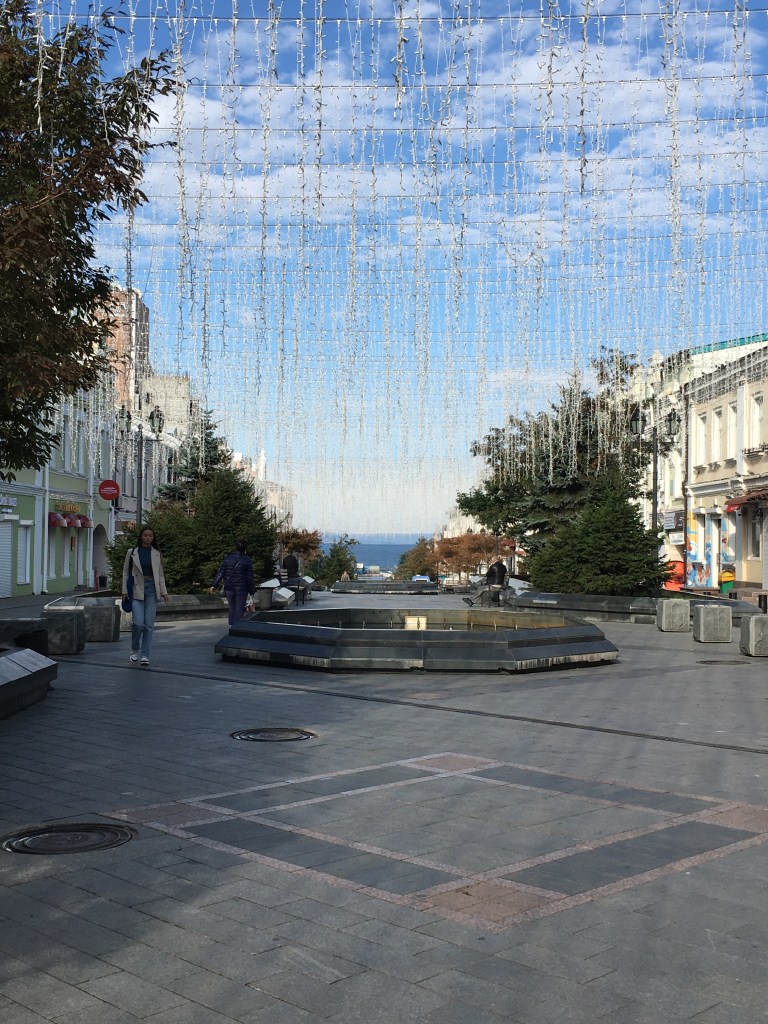
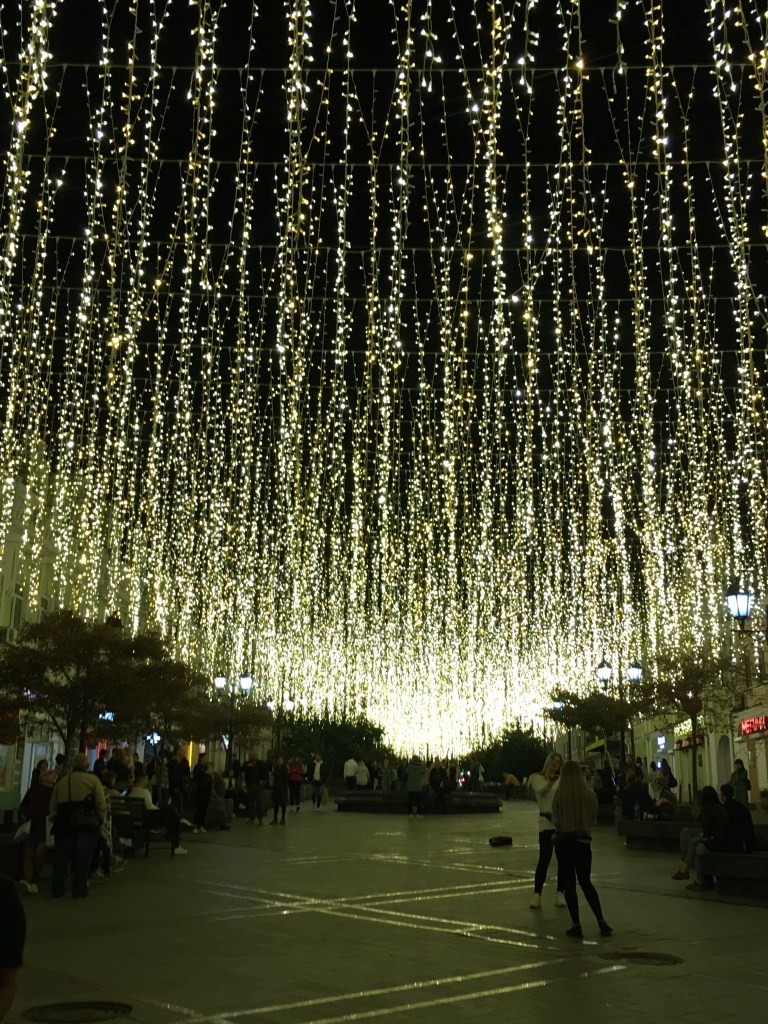
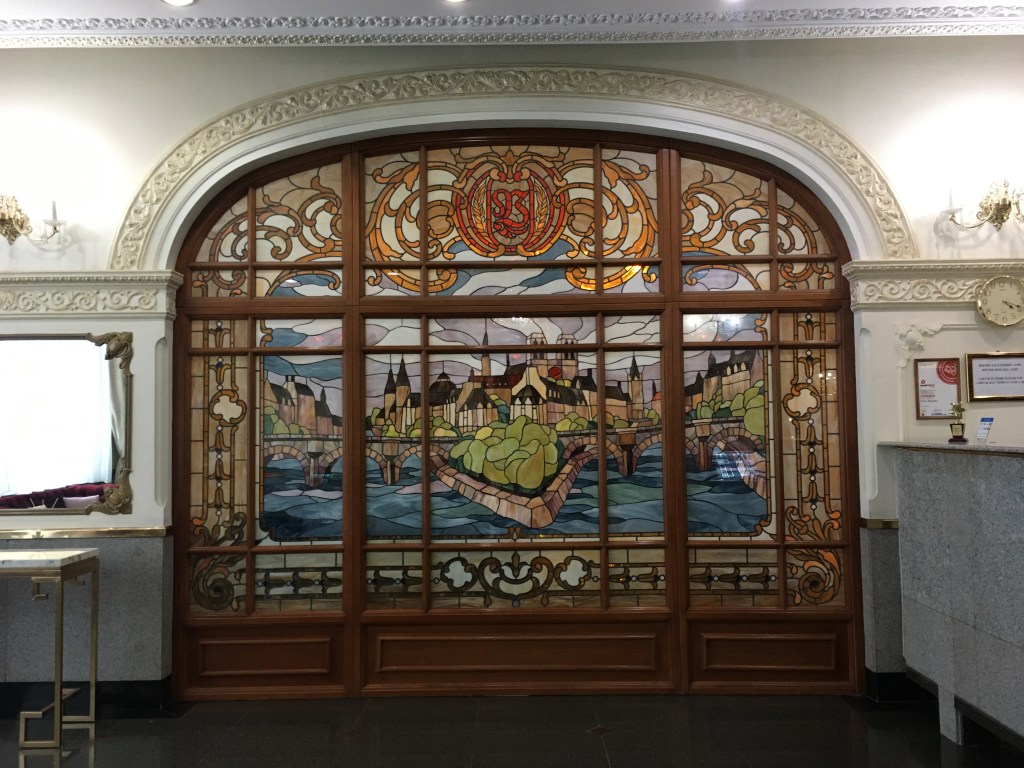
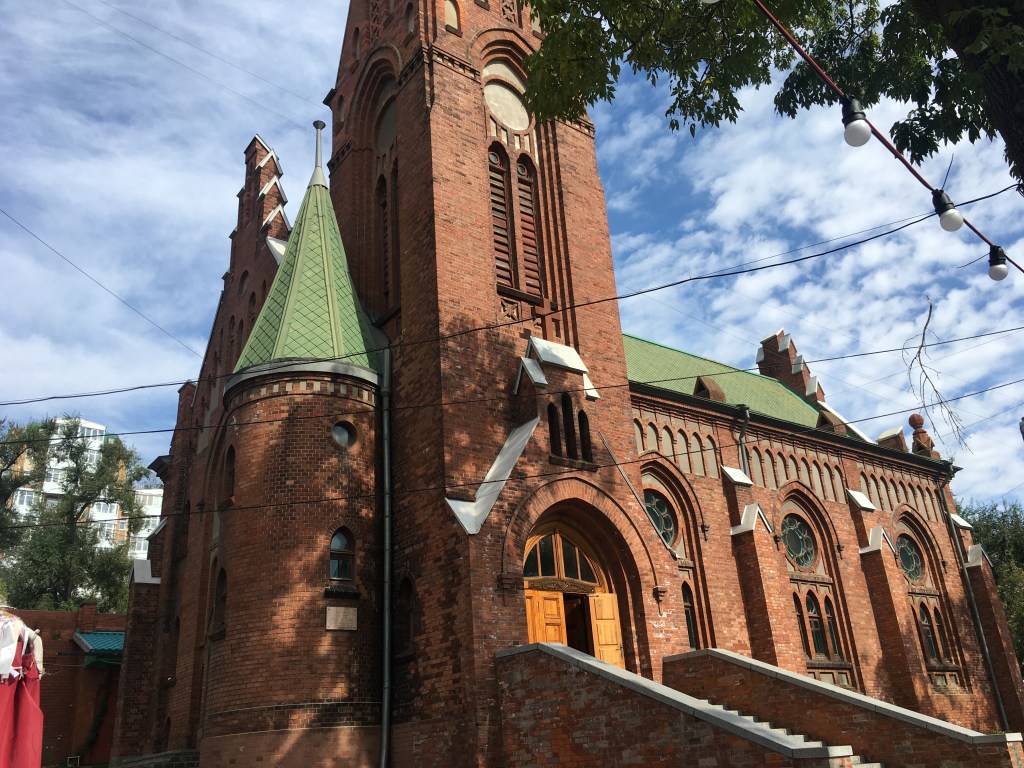
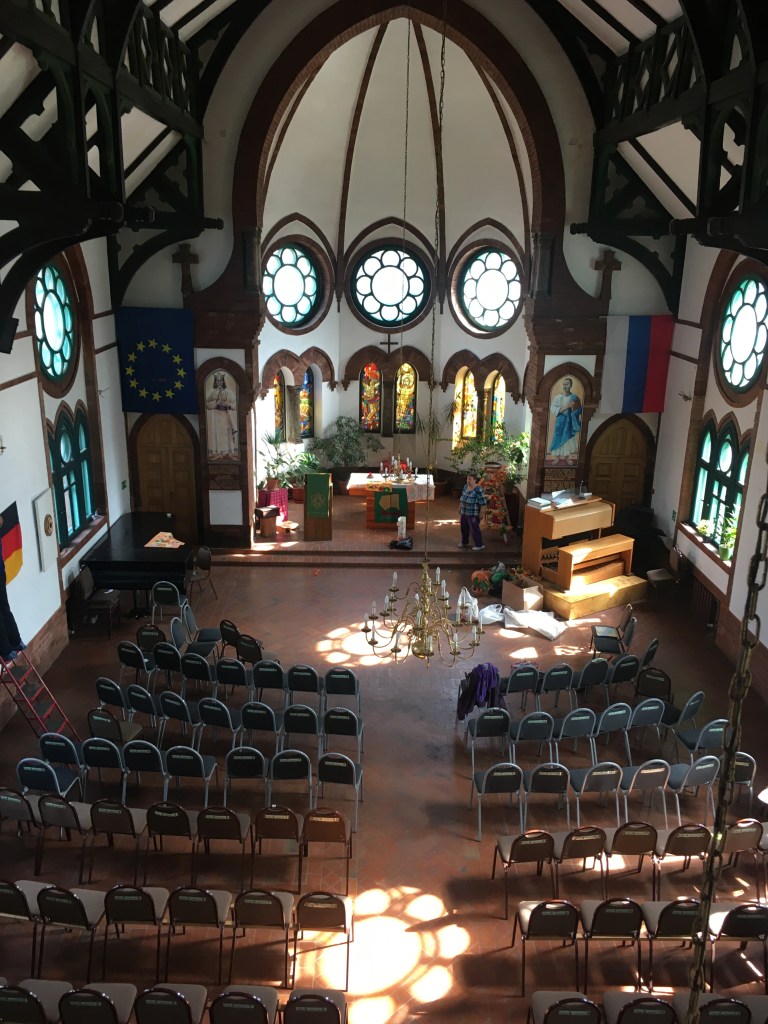
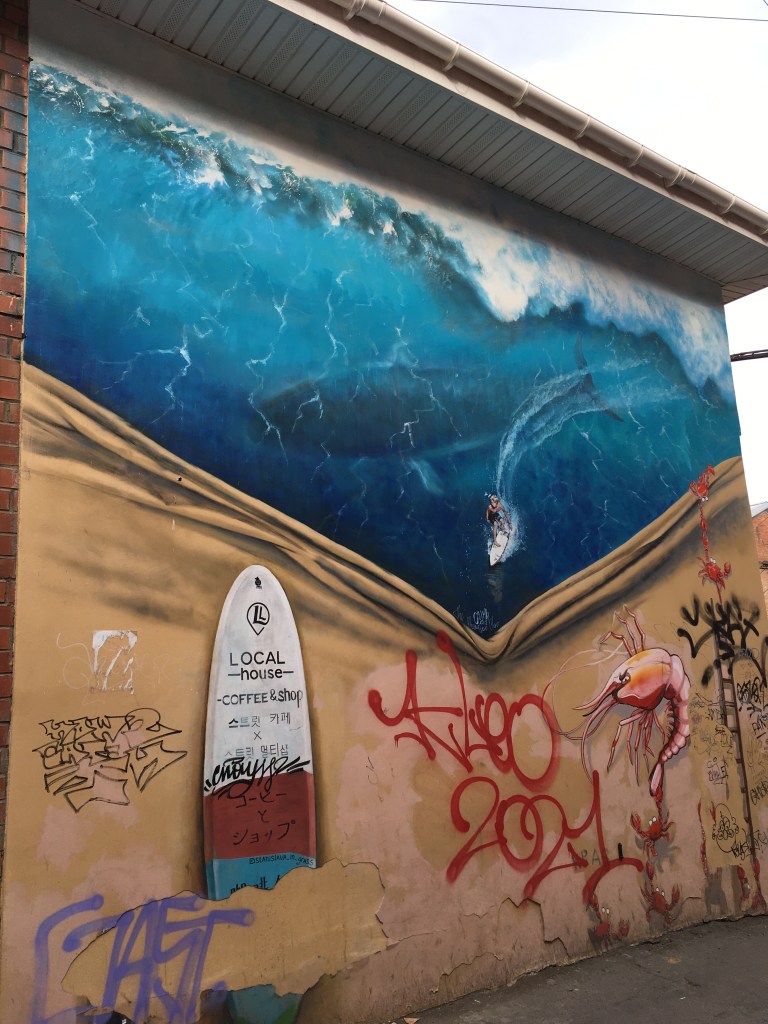
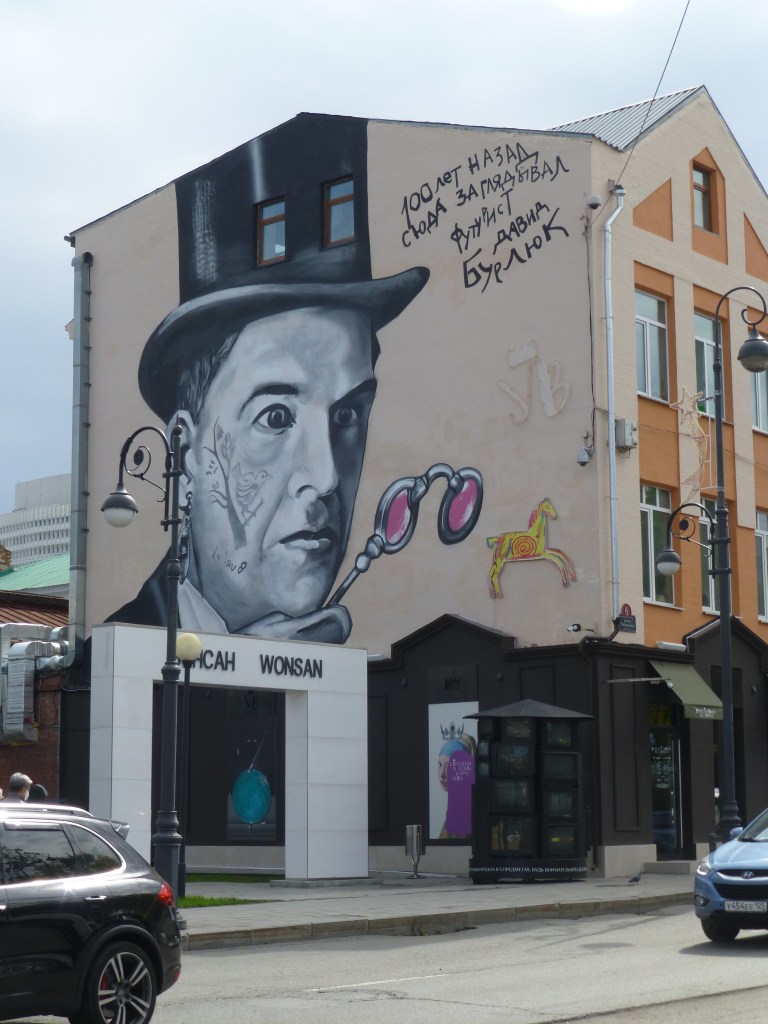
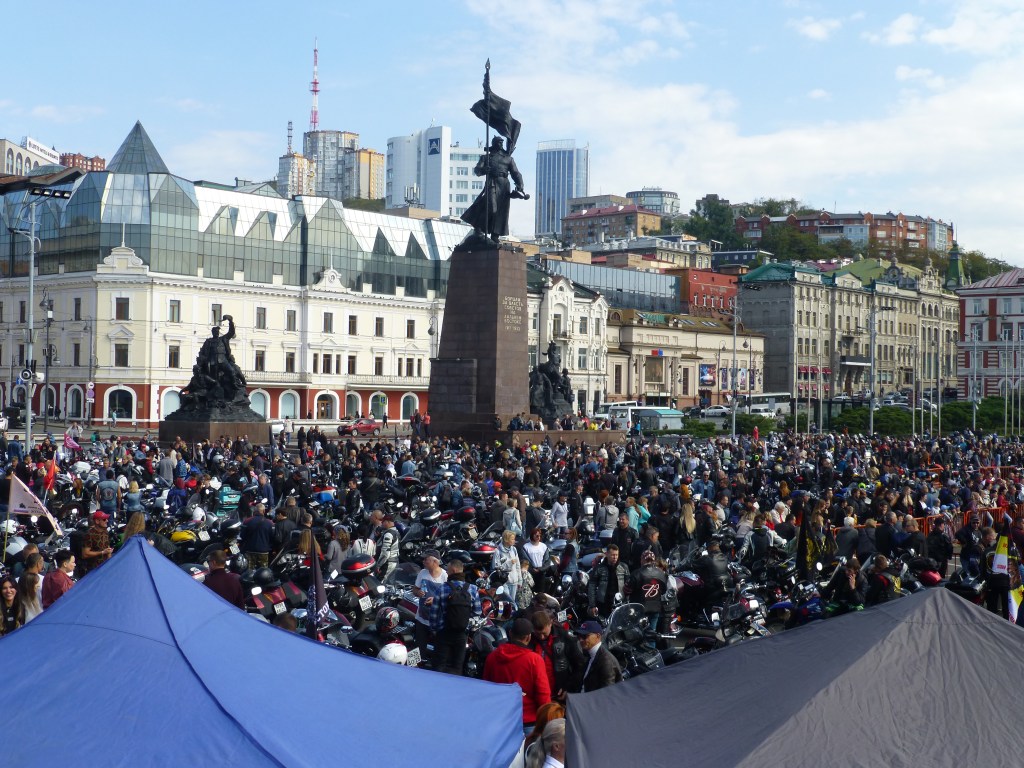
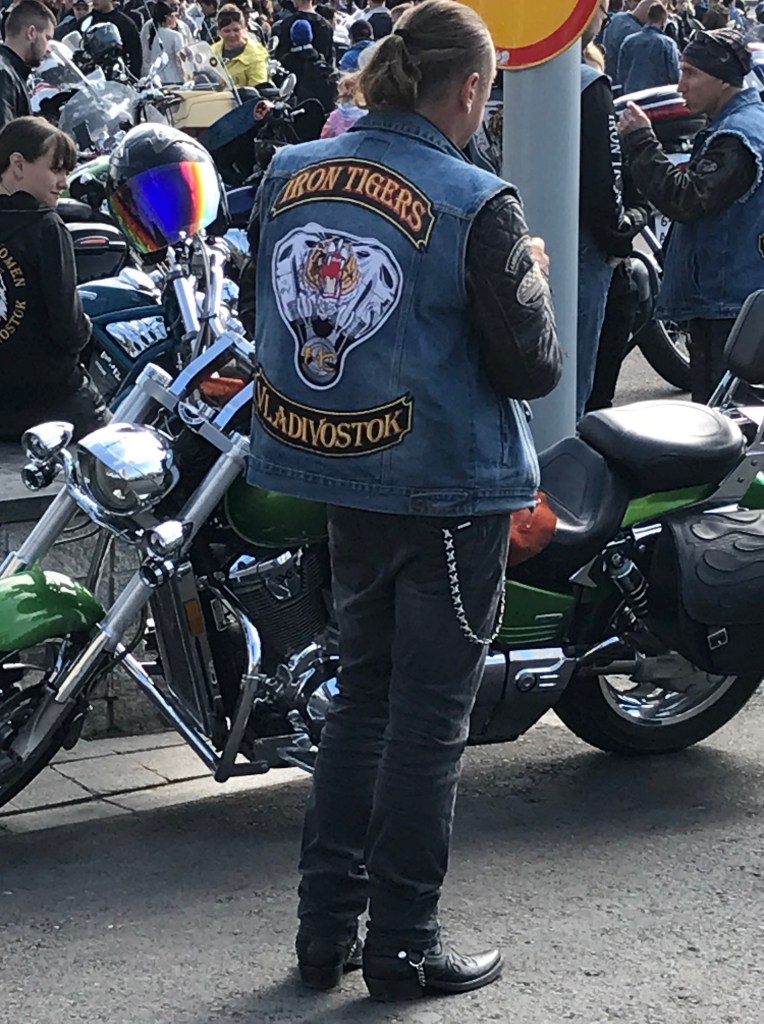
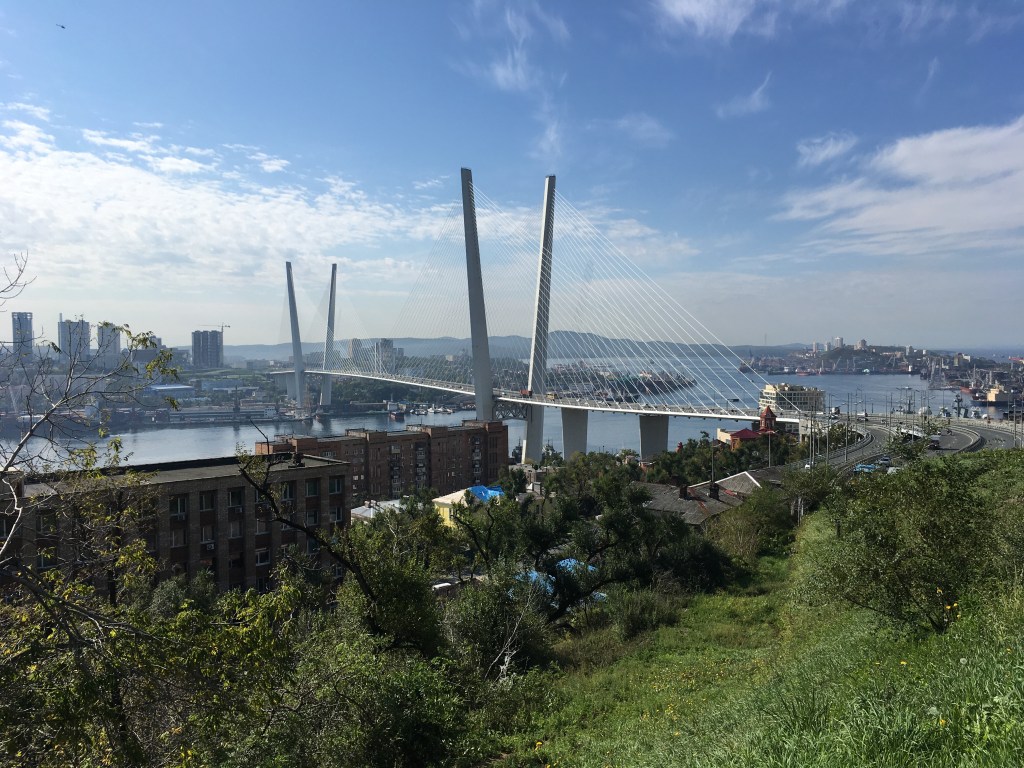
In the afternoon we took a taxi to visit the amazing Glass Beach. Here the pebble beach is full of sea glass pebbles of different colours that sparkle in the sun. Apparently the scientists are not quite sure why all the sea glass has washed up on this particular beach though the locals say it is because it was a dumping ground for a nearby glass factory.
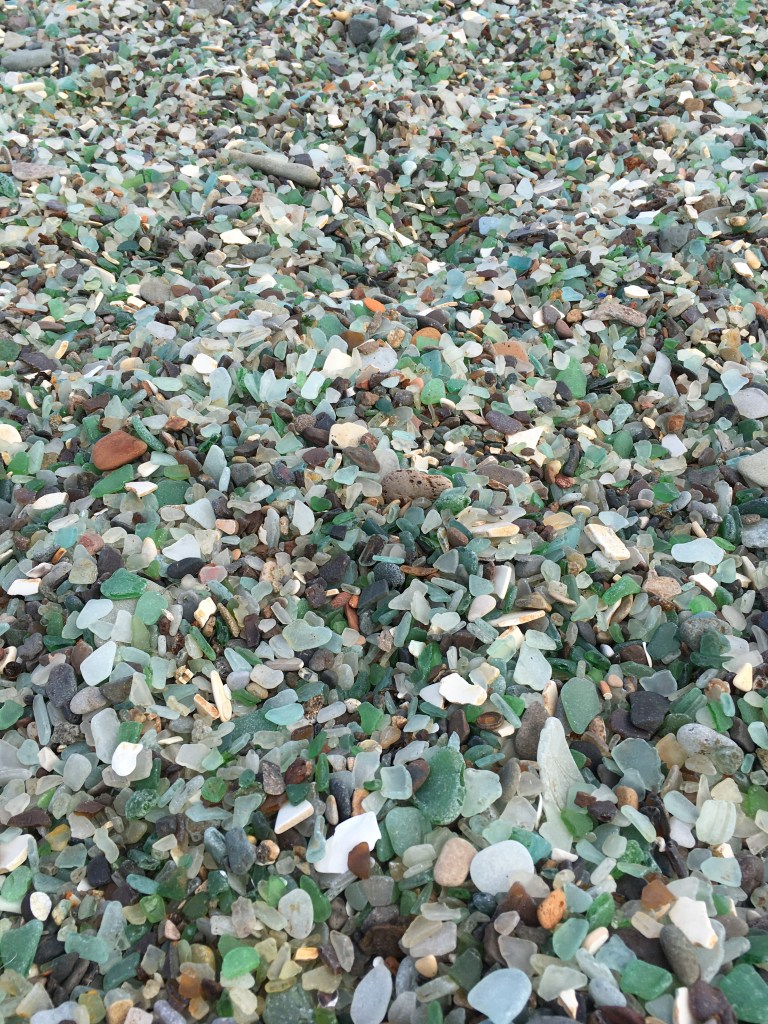
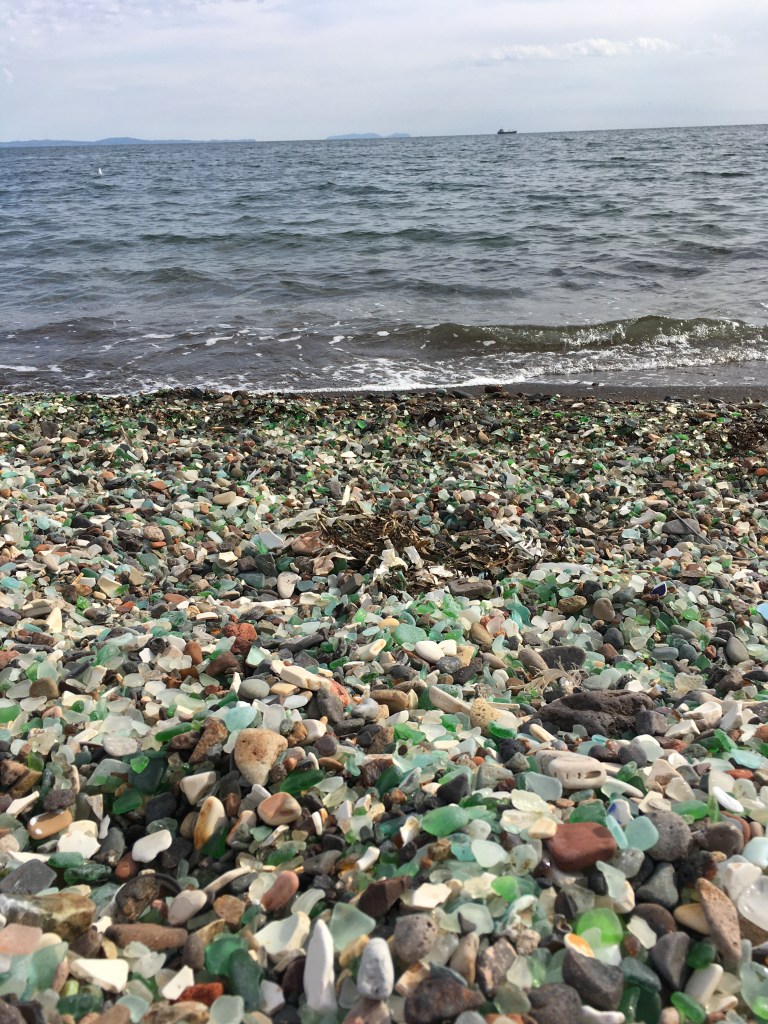
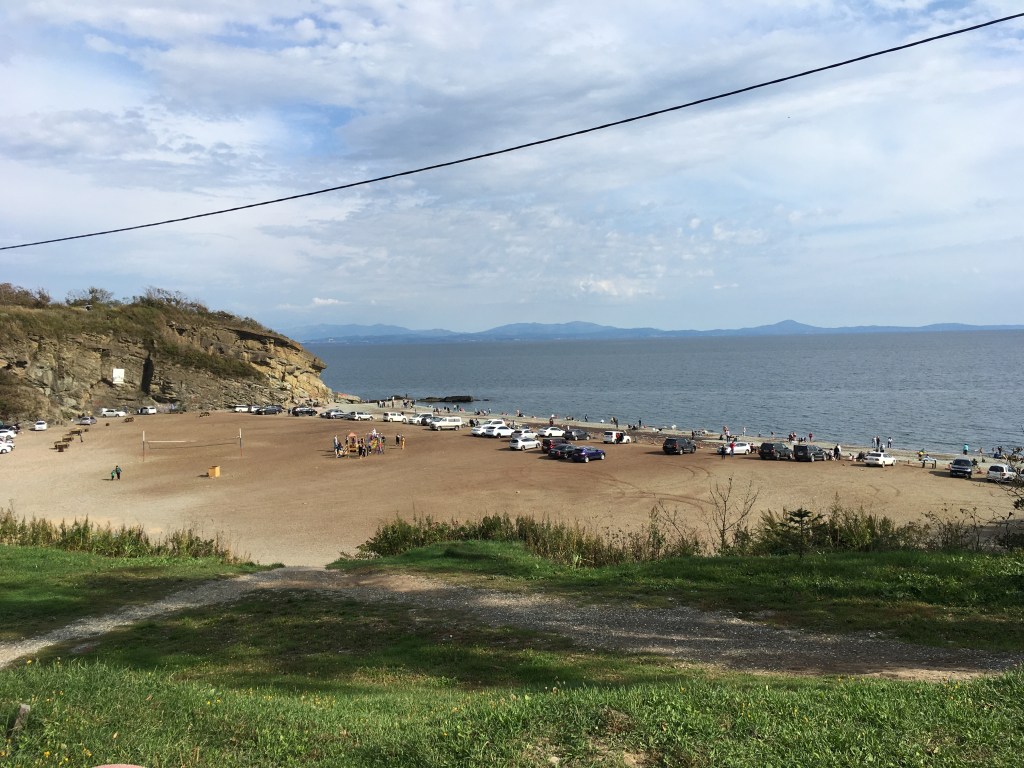
Later we sat and had an ice cream on the sea front boardwalk and in the evening we went for a very delicious Korean meal. Given that its closest neighbours are Japan, China and North Korea it is not surprising that there are lots of asian restaurants in Vladivostok. Another visible influence of its close neighbours is that so many of them drive righthand drive Japanese cars – which are cheaper and more reliable than the Russian cars. In fact there are so many righthand drive cars that carparks have ticket machines on both sides of the car!
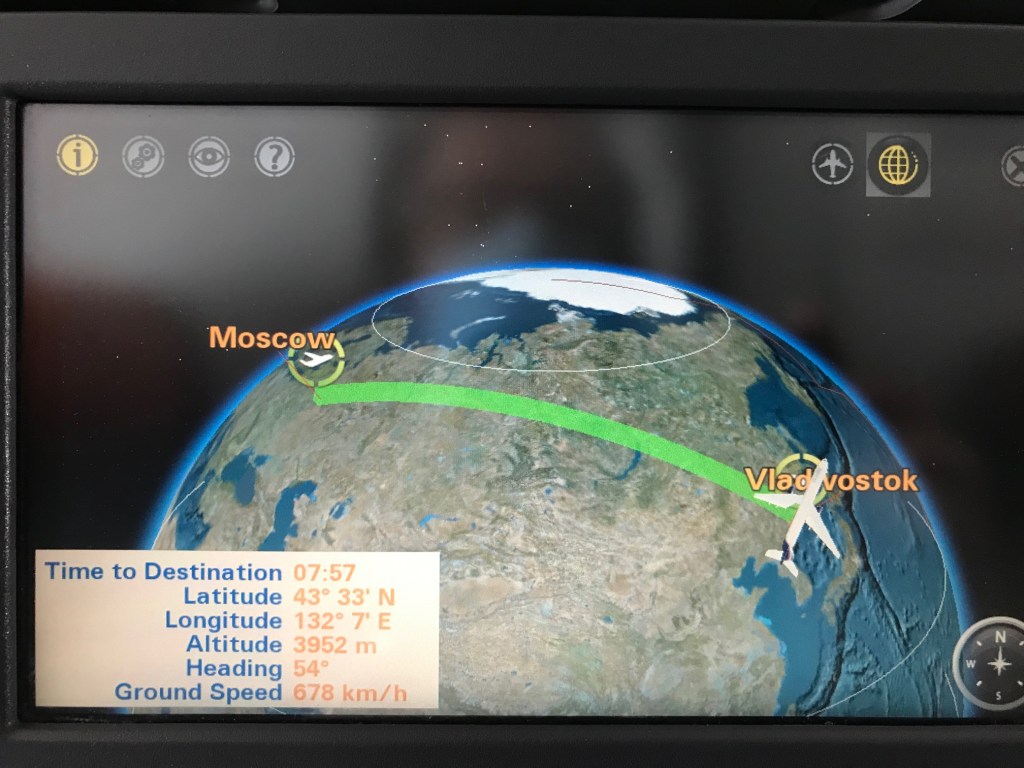
So now we have reached the end of our Trans-Siberian railway adventure. After two days in Vladivostok we got on a plane and flew back to Moscow on an 8 hour flight across 7 time zones. One of the longest domestic flights in the world.
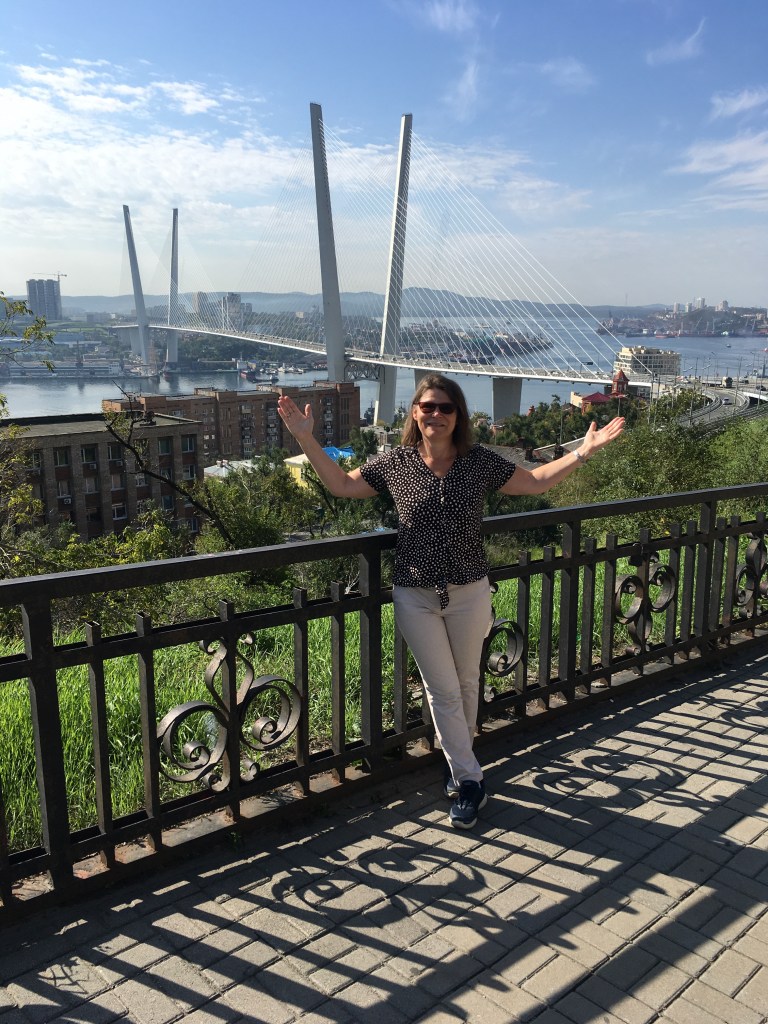
As I said at the beginning it lived up to all my expectations and I would highly recommend doing it. My thanks go to The Man in seat 61 for general information on the trains, the Russian RZD railways website for being so user friendly, and the authors of the Trans-Siberian Handbook for the detailed information about what to look out for along the route.

 Russian Reflections
Love this trip Pippa, not quite as romantic as I had always thought, but an adventure for sure!
LikeLiked by 1 person
What a wonderful post and amazing photos!!!!👏 Sounds like quite the adventure! I would love to see all those cities you visited.
Also, I guess it’s not surprising they’re replacing the old samovars with a more modern-looking device but still 😭😭😭.
LikeLiked by 1 person